
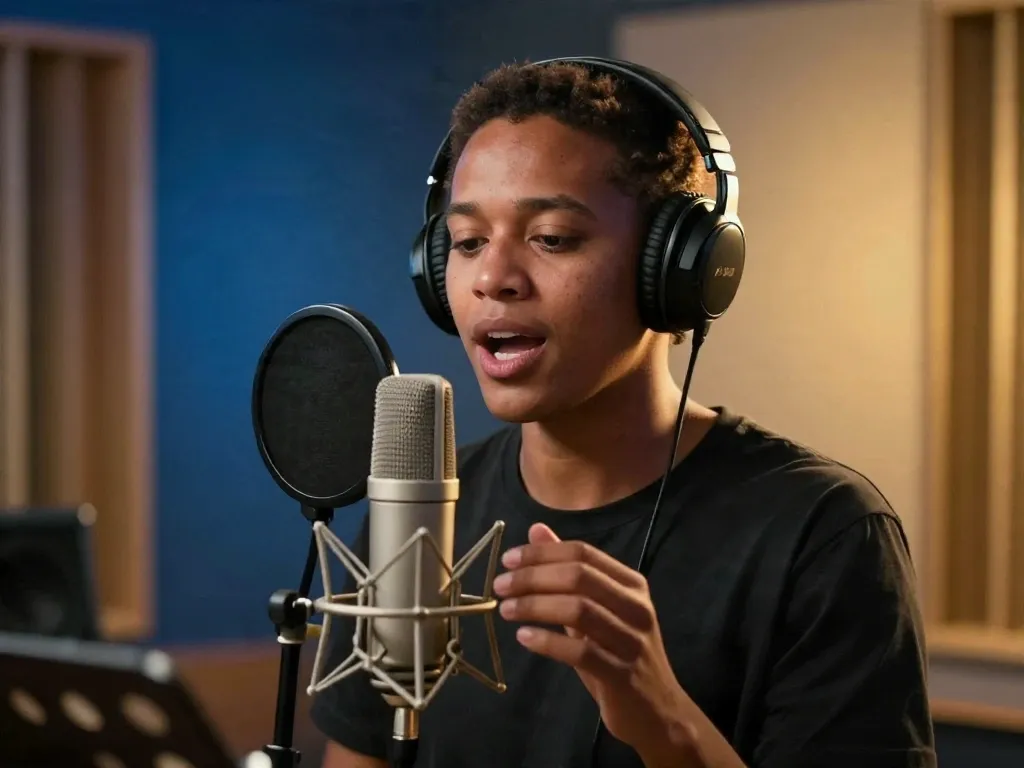
The Art of Voice Acting in Audiobook Narration
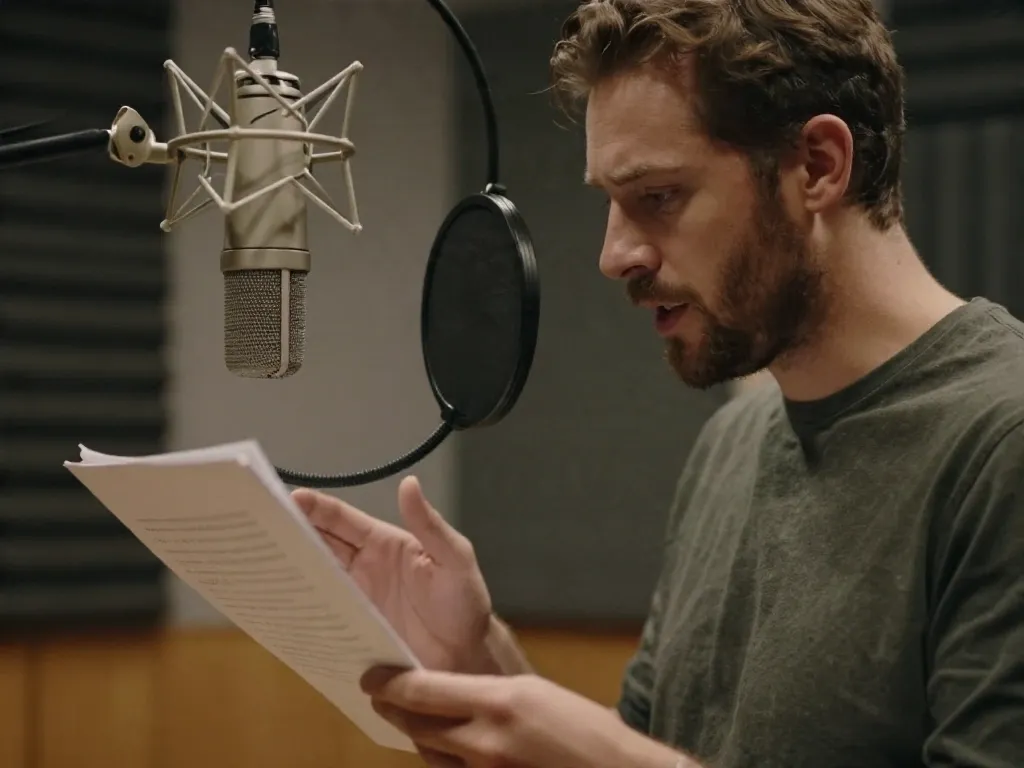
Audiobook narration is an art form that combines the nuances of voice acting with the craft of storytelling. Behind every audiobook lies a talented narrator who not only reads the text but also breathes life into the characters and emotions within the story. This section explores the various techniques that skilled narrators use to engage listeners, develop characters, and convey emotion effectively.
Techniques for Engaging Storytelling
Engaging storytelling is the cornerstone of effective audiobook narration. Narrators employ various techniques to captivate their audience, making the experience not just about listening but about immersing oneself in the narrative. 1. **Pacing and Rhythm**: A narrator's ability to control pacing is crucial. For instance, during a suspenseful scene, a narrator might slow their pace to build tension, while a fast-paced action sequence may require a quicker rhythm to convey urgency. The right pacing can transform a mundane reading into a gripping experience. 2. **Vocal Dynamics**: Modulation of volume, pitch, and tone plays a significant role in storytelling. A whisper can draw the listener in during intimate moments, while a loud, booming voice can evoke a sense of drama or conflict. Using these dynamics skillfully allows narrators to create a more vivid auditory landscape. 3. **Pausing for Effect**: Strategic pauses can enhance storytelling by allowing listeners to absorb important moments or anticipate what comes next. For example, a well-timed pause before revealing a pivotal plot twist can heighten suspense and engage the audience more deeply.
Character Development through Voice
Character development is another vital aspect of audiobook narration. Through voice alone, narrators must differentiate characters, giving each a unique identity that listeners can recognize and connect with. 1. **Distinct Voices**: Effective narrators create distinct voices for each character, which helps to avoid confusion and enrich the listening experience. For example, a narrator might use a gravelly voice for a rugged hero and a soft, airy tone for a gentle love interest. This differentiation allows listeners to visualize and relate to the characters more profoundly. 2. **Accents and Dialects**: Incorporating accents or dialects can add authenticity to characters and their backgrounds. A well-known example is the narration of J.K. Rowling's *Harry Potter* series by Jim Dale, who masterfully employed various British accents to embody the diverse cast of characters, making the story more immersive. 3. **Character Arcs**: A narrator's ability to convey a character's growth or decline throughout the story is essential. As characters evolve, their voices may change to reflect their emotional journeys, allowing listeners to experience their transformations more intimately.
The Role of Emotion in Narration
Emotion is a powerful tool in storytelling, and narrators must adeptly convey the highs and lows of a narrative to keep listeners engaged. 1. **Emotional Range**: Great narrators possess a wide emotional range, enabling them to express joy, sorrow, anger, and fear convincingly. For instance, the narration of *The Fault in Our Stars* by Ansel Elgort showcases a poignant blend of humor and heartbreak, drawing listeners into the emotional core of the story. 2. **Connection with the Material**: A successful narrator often has a personal connection to the material they are reading. This connection can translate into a more authentic performance. Narrators like Bahni Turpin, who often reads works by Black authors, bring their own experiences and emotions to the forefront, enriching the narrative. 3. **Subtext and Nuance**: Narrators must also read between the lines, interpreting subtext and nuances that may not be explicitly stated in the text. This skill allows them to deliver lines with the appropriate emotional weight, as seen in audiobooks like *The Night Circus* by Erin Morgenstern, where the atmosphere is as crucial as the plot.
The Production Process of Audiobooks
The journey of an audiobook from manuscript to final product involves a meticulous production process. This section outlines the key stages involved in creating a high-quality audiobook.
From Manuscript to Sound Studio
The transition from a written manuscript to an audiobook recording is a multi-step process that involves careful planning and execution. 1. **Preparation**: Before entering the studio, narrators spend time preparing for the recording. This includes reading the manuscript thoroughly, making notes on character voices, and identifying any challenging pronunciations. This preparation is crucial for a smooth recording session. 2. **Recording**: The actual recording takes place in a sound studio equipped with professional-grade microphones and soundproofing. Most narrators work with an audio engineer who helps manage sound levels and recording quality. A typical recording session can last anywhere from four to eight hours, during which narrators may record multiple chapters in one go. 3. **Voice Projection and Clarity**: During recording, narrators must focus on voice projection and clarity. This ensures that every word is audible and distinct, preventing listener fatigue. Techniques such as proper breathing and enunciation are critical during this phase.
Editing and Post-Production Techniques
Once the recording is complete, the editing process begins, which is essential for producing a polished final product. 1. **Audio Editing**: Editors listen to the recordings, cutting out mistakes, long pauses, and any extraneous noise. This process can take significant time, often requiring multiple listens to ensure accuracy and consistency. 2. **Sound Effects and Music**: Some audiobooks incorporate sound effects or background music to enhance the narrative. For example, in fantasy or historical fiction audiobooks, ambient sounds can transport listeners to different worlds, enriching their experience. 3. **Final Quality Check**: Before release, a final quality check is conducted to ensure that the audio meets industry standards. This includes checking for consistent volume levels, clarity, and overall sound quality.
The Importance of Sound Quality
Sound quality is paramount in audiobook production. Poor audio can detract from the listening experience, leading to disengagement. 1. **Professional Equipment**: High-quality microphones and soundproof environments are essential for capturing clear audio. Many narrators invest in their own recording setups, often costing thousands of dollars, to maintain control over their work quality. 2. **File Formats**: Audiobooks are typically produced in various formats, including MP3 and WAV, catering to different distribution platforms. Ensuring that files are properly formatted for these platforms is a critical step in the production process. 3. **Listener Experience**: Ultimately, sound quality impacts listener enjoyment. A well-produced audiobook should be free from background noise, pops, or distortion, allowing the story to shine through without distraction.
The Business of Audiobook Narration
The audiobook industry has grown exponentially over the past decade, and understanding the business side of narration is essential for aspiring narrators. This section delves into how narrators find work, the intricacies of contracts, and the effects of technology on the industry.
How Narrators Find Work in the Industry
Securing work as an audiobook narrator involves a mix of networking, auditioning, and marketing one’s skills. 1. **Auditioning Platforms**: Websites like ACX (Audiobook Creation Exchange) and Voices.com allow narrators to audition for various projects. On ACX, narrators can browse titles and submit auditions directly to authors or producers, making it an accessible entry point into the industry. 2. **Networking**: Building relationships within the publishing industry is crucial. Narrators often attend conventions, workshops, and webinars to connect with authors, publishers, and fellow narrators, which can lead to new opportunities. 3. **Personal Branding**: Creating a personal brand through social media and professional websites can help narrators showcase their skills and attract potential clients. Many successful narrators maintain active profiles on platforms like LinkedIn, Instagram, and Twitter, where they share insights and engage with their audiences.
Understanding Royalties and Contracts
Once a narrator secures a job, understanding the financial aspects, including royalties and contracts, is vital. 1. **Royalty Structures**: Audiobook narrators are typically compensated through various models, including flat fees or royalties based on sales. On average, a narrator can earn between $100 to $300 per finished hour of audio, but this can vary significantly based on the project and the narrator’s experience. 2. **Contracts**: Contracts for audiobook narration should clearly outline payment terms, rights, and expectations. Narrators must be diligent in reviewing contracts to avoid unfavorable terms. Some narrators choose to work with agents who specialize in audiobook contracts to ensure they receive fair treatment. 3. **Impact of Production Companies**: Larger production companies may offer more stability and higher pay but often come with stricter contracts. Independent authors, on the other hand, may offer more creative freedom but less predictable income.
The Impact of Technology on Narration Opportunities
Technology has revolutionized the audiobook narration industry, creating new opportunities and challenges. 1. **Home Studio Setups**: Advancements in recording technology have enabled narrators to set up professional-quality home studios. This democratization of access means that aspiring narrators can enter the field without needing to invest heavily in external studio time. 2. **AI Narration**: The rise of artificial intelligence in audiobook production has stirred debate within the industry. While AI-generated narration, such as that produced by companies like Descript, offers cost-effective solutions, it often lacks the emotional depth and nuance that human narrators provide. 3. **Distribution Platforms**: Digital distribution platforms like Audible and Google Play have expanded the market for audiobooks, allowing narrators to reach wider audiences than ever before. This accessibility has contributed to the explosive growth of the audiobook industry, with sales reaching over $1.3 billion in the United States in 2022.
The Challenges Faced by Audiobook Narrators
While audiobook narration can be a rewarding career, it is not without its challenges. This section examines some of the most pressing issues narrators face in the industry.
Health and Vocal Strain Concerns
The physical demands of audiobook narration can lead to health concerns, particularly vocal strain. 1. **Vocal Health**: Narrators must take care of their voices, employing techniques to prevent strain, such as proper hydration and warm-up exercises. Many narrators follow guidelines from vocal coaches to maintain their vocal health over long recording sessions. 2. **Sitting for Extended Periods**: Long hours in the studio can lead to physical discomfort. Narrators often develop practices, such as ergonomics in their studio setups, to minimize strain on their bodies. 3. **Mental Fatigue**: The mental focus required for narration can also be taxing. Narrators must engage deeply with the material, which can lead to burnout if not managed properly.
Adapting to Different Genres and Styles
The diversity of genres in the audiobook market requires narrators to be versatile and adaptable. 1. **Genre-Specific Techniques**: Different genres demand unique approaches. For instance, a romance novel may require a softer, more intimate delivery, while a thriller may need a more intense, urgent tone. Narrators must be able to shift their styles accordingly. 2. **Research and Preparation**: Narrators often spend time researching the genre and specific themes within the book. For example, narrating historical fiction might require understanding the period's style and language. 3. **Cultural Sensitivity**: Narrators must navigate cultural nuances, particularly when reading works outside their own backgrounds. This awareness is crucial to avoid misrepresentation and ensure authenticity in character voices.
Managing Public Perception and Recognition
Despite the growing popularity of audiobooks, many narrators work behind the scenes, often without public recognition. 1. **Visibility**: Many talented narrators remain unknown to the general public, as audiobook covers typically feature the author’s name prominently. This lack of visibility can be frustrating for narrators who invest significant effort into their performances. 2. **Awards and Recognition**: While there are awards for audiobook narration, such as the Audie Awards, the competition can be fierce. Recognition can lead to more opportunities, but achieving it often requires years of dedication and standout performances. 3. **Audience Engagement**: Narrators are increasingly using social media to connect with listeners and build their brands. Engaging with audiences can enhance their visibility and help them cultivate a following, which may lead to more work opportunities.
The Future of Audiobook Narration
As the audiobook industry continues to evolve, several trends and developments are shaping the future of narration. This section explores what lies ahead for narrators and the industry as a whole.
Trends in Audiobook Consumption
The way audiences consume audiobooks is changing, impacting how narrators approach their work. 1. **Subscription Services**: The rise of subscription services like Audible and Scribd has altered the market dynamics, making audiobooks more accessible to a broader audience. This trend has led to an increase in audiobook consumption, with more people choosing to listen to books as a primary form of entertainment. 2. **Diverse Content**: There is a growing demand for diverse voices and genres in audiobook narration. Listeners are increasingly seeking out audiobooks that reflect a wider range of experiences and perspectives, prompting narrators to embrace projects outside traditional genres. 3. **Shorter Formats**: With busy lifestyles, many consumers are gravitating toward shorter audiobook formats, such as novellas or series of short stories. This trend allows narrators to explore a variety of content while catering to changing audience preferences.
The Rise of Artificial Intelligence in Narration
As technology advances, the role of artificial intelligence in audiobook narration is becoming a hot topic. 1. **AI Narration Tools**: Tools like Google’s WaveNet and Amazon's Polly are making strides in creating realistic AI-generated voices. While these technologies offer efficiency and cost savings, they often fall short in delivering the emotional depth and connection that human narrators provide. 2. **Potential for Collaboration**: Some narrators view AI as a tool to enhance their work rather than replace it. For example, AI could assist in generating initial drafts, allowing narrators to focus on refining performances and adding emotional nuance. 3. **Ethical Considerations**: The rise of AI in narration raises questions about copyright and authorship. As AI-generated content becomes more prevalent, the industry will need to address the implications for human narrators and their rights.
Shifts in Audience Expectations and Preferences
As audiobooks gain popularity, listener expectations are evolving, impacting how narrators approach their craft. 1. **Quality and Production Values**: Audiences have come to expect high-quality production values, including well-edited audio and professional performances. Narrators must continually hone their skills and invest in quality equipment to meet these demands. 2. **Interactive Audiobooks**: The emergence of interactive audiobooks, which allow listeners to choose different narrative paths or endings, presents new opportunities for narrators. Engaging with this format requires narrators to adapt their storytelling techniques further. 3. **Community Engagement**: Listeners increasingly want to engage with narrators and authors directly. This trend is leading to more opportunities for live readings, virtual events, and social media interactions, fostering a sense of community around audiobooks. In conclusion, the world of audiobook narration is a complex and multifaceted industry that extends far beyond simply reading a text aloud. As narrators develop their craft, navigate the production process, and adapt to an evolving market, they play an essential role in shaping the future of storytelling. With technological advancements, shifting audience preferences, and the ongoing demand for diverse voices, the audiobook narration industry is poised for continued growth and transformation, promising exciting opportunities for both narrators and listeners alike.



Comments
No comments yet.
Leave a comment