
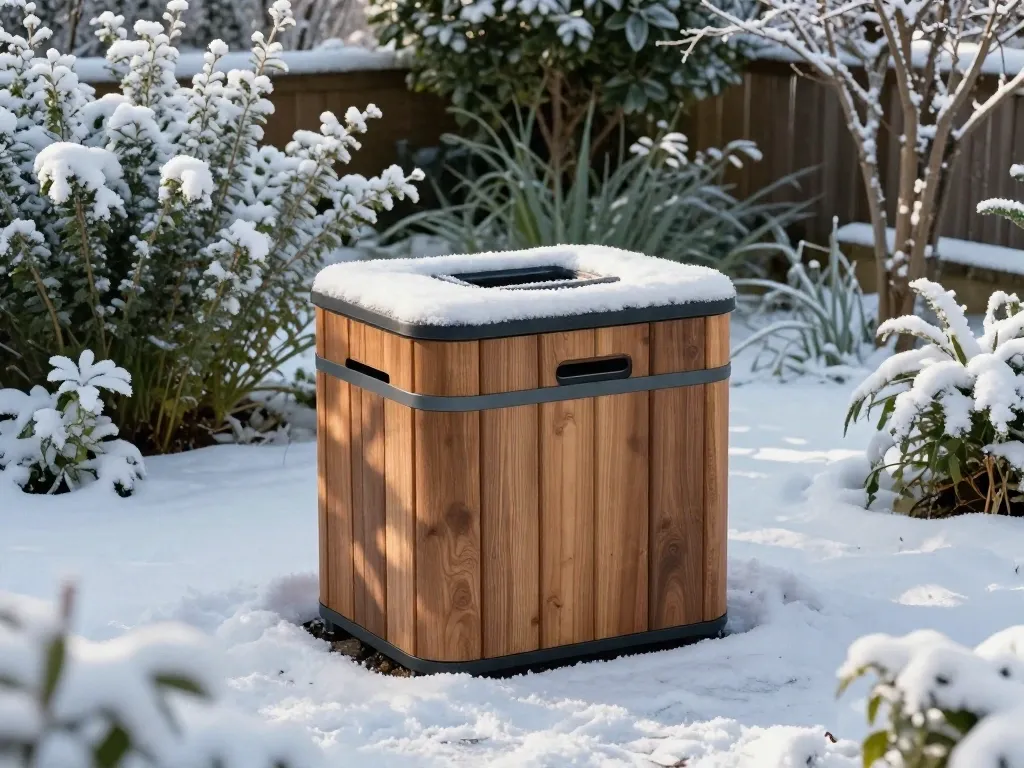
Understanding the Challenges of Composting in Cold Climates
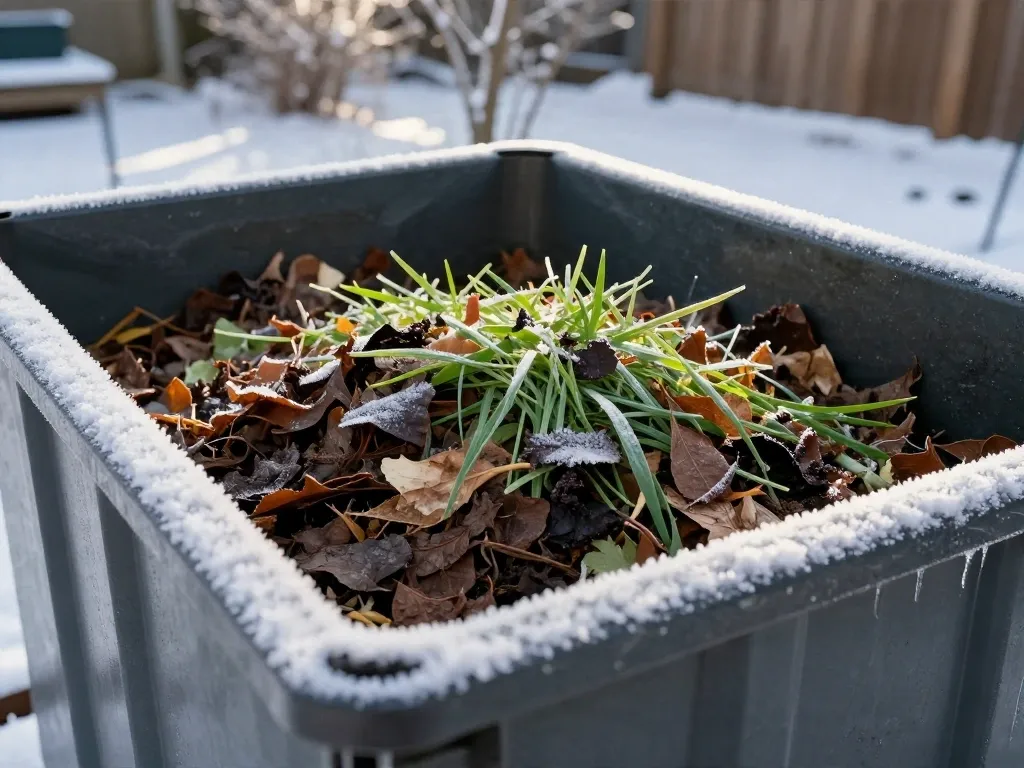
The Impact of Low Temperatures on Composting
Composting is a natural process that transforms organic waste into nutrient-rich soil. However, the efficiency of this process is heavily influenced by temperature. In cold climates, particularly during winter months, temperatures can drop significantly, often falling below freezing. This creates a bottleneck for composting activities, slowing down the decomposition process and making it more challenging to maintain an active compost bin.
When temperatures are consistently below 32°F (0°C), the microbial activity responsible for breaking down organic matter slows significantly. The ideal temperature range for composting is typically between 130°F to 160°F (54°C to 71°C). Thus, in cold climates, maintaining this optimal temperature becomes critical for successful composting.
Microbial Activity and Its Relation to Temperature
Microorganisms, such as bacteria and fungi, play a vital role in composting. They thrive in warm conditions, and their metabolic processes generate heat, which helps to break down organic materials. In cold climates, the drop in temperature can dramatically reduce microbial activity:
- Psycrophiles: These are cold-loving microbes that can thrive at temperatures as low as 32°F (0°C) but are much slower than their mesophilic counterparts.
- Mesophiles: These microbes prefer moderate temperatures (between 68°F to 113°F or 20°C to 45°C) and are responsible for the initial stages of decomposition.
- Thermophiles: Found in active compost piles that reach high temperatures, these bacteria operate best between 113°F to 160°F (45°C to 71°C).
As temperatures drop, mesophiles and thermophiles become inactive, leading to a slowdown in composting activity. This transition can lead to a compost pile that remains largely intact through the winter, requiring special attention to maintain effective composting.
Common Misconceptions About Winter Composting
Many gardeners believe that composting is impossible during winter months or that it yields poor results. However, these misconceptions can lead to missed opportunities for sustainable waste management:
- Myth 1: Composting stops entirely in winter. Reality: While the process slows down, composting can still occur with proper techniques.
- Myth 2: Only warm climates can produce compost. Reality: Cold climate composters can still create rich compost by using insulated bins and maintaining proper moisture and aeration levels.
- Myth 3: All compost materials freeze in winter. Reality: While some moisture may freeze, many organic materials can still break down slowly.
Insulating Materials for Cold Climate Compost Bins
Choosing the Right Insulation for Your Bin
Insulation is crucial for maintaining heat in a compost bin during cold weather. The right insulating materials can help to retain the warmth generated by microbial activity, ensuring that composting continues effectively. Here are some popular insulation options:
- Straw: An excellent natural insulator, straw bales can be placed around the compost bin to trap heat.
- Wood Chips: These can be used as a layer on top of the compost material to provide insulation and aeration.
- Foam Board: Rigid foam insulation can be cut to fit around the compost bin, offering effective thermal protection.
- Recycled Materials: Old blankets, carpets, or even bubble wrap can be used to wrap compost bins.
Comparative Analysis of Insulation Materials
When selecting insulation materials, consider their thermal resistance, availability, and cost. Here’s a comparative analysis:
Material
R-Value
Cost (per square foot)
Environmental Impact
Straw
2.0
$0.50
Biodegradable and sustainable
Wood Chips
1.5
$0.30
Natural product but can attract pests
Foam Board
4.0
$1.00
Non-biodegradable, but highly effective
Recycled Materials
1.0
Free to low cost
Reduces landfill waste
Choosing the appropriate insulation material depends on your specific needs, availability, and environmental considerations.
DIY Insulation Techniques for Compost Bins
There are several DIY techniques to insulate compost bins effectively, enhancing their ability to retain heat:
- Wrap with Straw Bales: Surround the bin with straw bales to create a heat-retaining barrier.
- Build a Double-Walled Bin: Construct a bin with two walls, filling the space between with insulating material like sawdust or straw.
- Add a Lid: Use a solid lid that can help trap heat. An insulated lid can significantly enhance the bin's warmth.
- Use Old Tires: Stack old tires around the bin. They provide thermal mass and can retain warmth from the sun during the day.
Design Features That Enhance Heat Retention
Compact Bin Designs for Maximum Heat Generation
When it comes to composting in cold climates, compact designs can significantly enhance heat generation. A smaller volume of material can heat up quickly and retain warmth more effectively. Here are some compact designs to consider:
- Cube-Shaped Bins: A cube allows for a greater surface area to volume ratio, which helps in retaining heat.
- Batch Bins: These bins are filled all at once, allowing for a quick heating process due to the compactness of the material.
- Stackable Bins: Designed to be stacked, these bins can be filled with layers of organic material, maintaining warmth more effectively.
Ventilation Solutions to Preserve Heat
While it may seem counterintuitive, proper ventilation is crucial even in cold climates. Good airflow helps to prevent anaerobic conditions, which can lead to odors and hinder decomposition. Here are effective ventilation solutions:
- Ventilation Holes: Include holes in your bin design to allow for airflow while minimizing heat loss.
- Adjustable Vents: Use adjustable vents that can be opened or closed depending on the temperature and moisture levels.
- Compost Aeration Systems: Consider using aeration systems that blow air through the compost pile, which can help maintain temperature and moisture levels.
Utilizing Thermal Mass in Compost Bin Construction
Incorporating thermal mass into your compost bin design can significantly enhance its ability to retain heat. Here are some materials and techniques:
- Bricks and Concrete Blocks: Using these materials in the construction of the bin can help absorb and retain heat.
- Water Barrels: Incorporate black water barrels filled with water, which can absorb heat during the day and release it at night.
- Heavy Materials: Consider using heavy materials like stones or clay in the bin's structure to enhance thermal mass.
Types of Compost Bins Optimal for Cold Climates
Worm Composting as a Solution for Cold Weather
Worm composting, or vermicomposting, is an effective method for composting in cold climates. Red wigglers, the most commonly used worms, can survive in cooler temperatures, making them ideal for winter composting. Here’s why it works:
- Temperature Resilience: Worms can survive in temperatures as low as 50°F (10°C), although they thrive at around 70°F (21°C).
- Efficient Breakdown: Worms are incredibly efficient at breaking down organic materials, producing nutrient-rich vermicompost even in lower temperatures.
- Indoor Options: Worm composting can be done indoors, providing a controlled environment and eliminating the challenges of outdoor winter composting.
Insulated Compost Tumblers: Pros and Cons
Insulated compost tumblers are a popular choice for cold climate composting. These bins are designed to retain heat and promote efficient decomposition. Here are the pros and cons:
- Pros:Efficient heat retention due to insulated walls.
- Easy to turn, making aeration simpler.
- Compact design, promoting faster composting.
Cons:
- Higher initial cost compared to traditional bins.
- Limited capacity, which may not suit larger composting needs.
- Challenge in managing moisture levels if not monitored closely.
Cold Climate-Specific DIY Bin Designs
For those looking to create their own compost bin suited for cold climates, several DIY designs can be effective:
- Insulated Wooden Bin: Build a wooden frame and insulate it with straw or foam board. Use a solid lid to retain heat.
- Paletted Bins: Create a bin using wooden pallets, and add insulation around the outside. This allows for good airflow while maintaining heat.
- Compost Pile Covered with Tarps: Create a traditional compost pile and cover it with tarps to protect from snow and wind, retaining heat generated by the pile.
Maintenance Tips for Successful Winter Composting
Monitoring Moisture Levels in Cold Weather
Moisture levels are critical in composting, and winter can present unique challenges. In cold climates, compost bins may become too dry, as moisture can freeze. Here are tips for managing moisture:
- Check Regularly: Regularly check your compost for moisture content. The pile should feel like a damp sponge, not overly wet or dry.
- Add Water as Needed: If the compost is too dry, add water in small amounts to avoid creating a soggy mess.
- Use Moisture-Retaining Materials: Incorporate materials like shredded cardboard or dried leaves to help retain moisture.
Adjusting Carbon to Nitrogen Ratios in Winter
Maintaining the right balance of carbon (C) to nitrogen (N) is crucial for healthy composting. The ideal ratio is typically around 30:1. In winter, you may need to adjust this:
- Add High-Nitrogen Materials: Use kitchen scraps like vegetable peels, coffee grounds, and grass clippings to boost nitrogen levels.
- Layering Method: Alternate layers of carbon-rich materials (like dry leaves and straw) with nitrogen-rich materials to maintain balance.
- Monitor Ratios: Regularly assess the C:N ratio and adjust as needed to keep the compost active.
Strategies for Regular Turning and Aeration
Aeration is vital for composting, even in winter. Regularly turning the compost pile can help maintain aerobic conditions and promote decomposition:
- Use a Compost Aerator: A compost aerator tool can help to mix and aerate the pile without much effort.
- Turn Less Frequently: In colder months, you may not need to turn the pile as often, but do so when temperatures rise above freezing.
- Consider a Tumbling Bin: If using a tumbler, turning is as simple as rotating the bin regularly, ensuring the compost remains well-aerated.


Comments
No comments yet.
Leave a comment