
Understanding City Budgets and Their Structure

Components of a City Budget
City budgets are complex documents that outline the financial plan for a municipality over a defined period, typically one fiscal year. These budgets include various components that detail how funds are allocated across different sectors, including public safety, education, infrastructure, and parks. The primary components of a city budget are:
- Revenue Estimates: Predicted income from various sources such as taxes, fees, and grants.
- Expenditure Plans: Detailed accounts of how funds will be spent, broken down by department and program.
- Capital Improvement Plans: Long-term projections for large-scale projects, including park renovations or new park developments.
- Debt Management: Strategies for managing existing debt and planning for new borrowing.
Revenue Sources for City Budgets
Cities generate revenue through several key sources, which are crucial for funding public services, including parks. Common revenue sources include:
- Property Taxes: Typically the most significant source of revenue for local governments, providing funds based on the assessed value of real estate.
- Sales Taxes: Collected on goods and services, these taxes can fluctuate based on economic conditions.
- Fees and Charges: Revenues generated from permits, licenses, and use-of-facility fees, which can include park entrance fees or rental fees for park facilities.
- Grants and Subsidies: Funds from state or federal governments, as well as private organizations, earmarked for specific projects or programs.
How Budget Priorities are Established
Establishing budget priorities is a critical step in the budget process. City officials often consider several factors when determining how to allocate resources:
- Community Needs: Input from residents regarding their priorities can significantly influence budget allocations.
- Strategic Goals: Long-term visions laid out by the city government may prioritize certain areas, including parks, to enhance community well-being.
- Political Considerations: Elected officials often consider the preferences of their constituents and may advocate for funding in areas that will benefit their electoral base.
The Role of Public Parks in City Budgets
Identifying Parks as Essential Community Resources
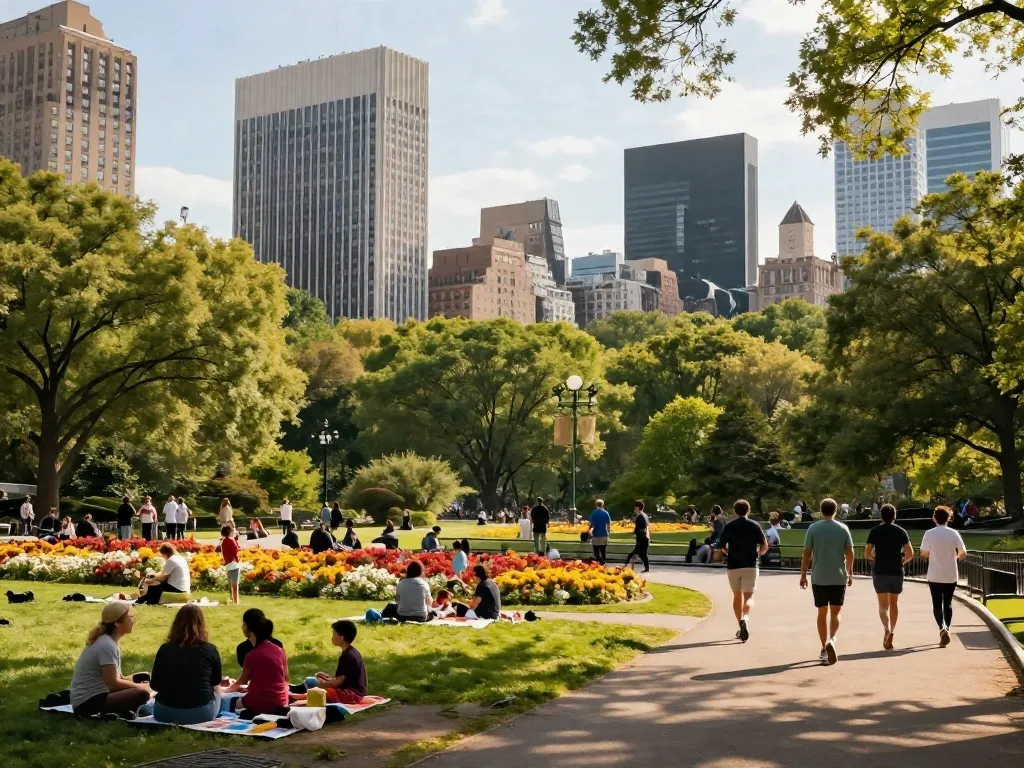
Parks serve as vital community resources that enhance quality of life, promote environmental sustainability, and foster social interaction. As cities grow and urbanize, the significance of public parks becomes even more pronounced:
- Recreation: Parks provide space for recreational activities, which are essential for community health and wellness.
- Community Cohesion: They act as gathering spaces that foster community relationships and inclusiveness.
- Environmental Benefits: Parks contribute to biodiversity, improve air quality, and manage stormwater, making them critical in urban planning.
Assessing the Economic Impact of Parks
Investing in public parks yields significant economic benefits. Research indicates that well-maintained parks can increase property values, boost local tourism, and attract businesses. For instance, a study by the National Recreation and Park Association (NRPA) found that every $1 invested in public parks generates approximately $4 in economic return. This dynamic underscores the importance of allocating budget resources to park maintenance and development.
Parks’ Contribution to Public Health and Wellbeing
Parks play a crucial role in promoting public health. Access to green spaces encourages physical activity, which can reduce healthcare costs and improve community health outcomes. For example, a study published by the American Journal of Preventive Medicine found that individuals living near parks are 25% more likely to meet physical activity guidelines. Consequently, improving park funding can lead to better health outcomes and decreased healthcare spending for local governments.
Funding Allocations: How Parks Compete for Resources
Budgeting Processes and Decision-Making
The budgeting process typically involves several stages, including proposal submissions, departmental reviews, public hearings, and final approvals. Parks and recreation departments must compete with other city departments for a share of limited resources. Often, parks are one of the first areas to face budget cuts:
- Proposal Submission: Departments must submit budget proposals that detail funding needs, projected outcomes, and justifications for requested allocations.
- Departmental Reviews: City officials assess proposals based on community needs, potential impact, and alignment with strategic goals.
- Public Hearings: Opportunities for community engagement where residents can voice support or concerns regarding park funding.
Influence of Community Input on Funding Decisions
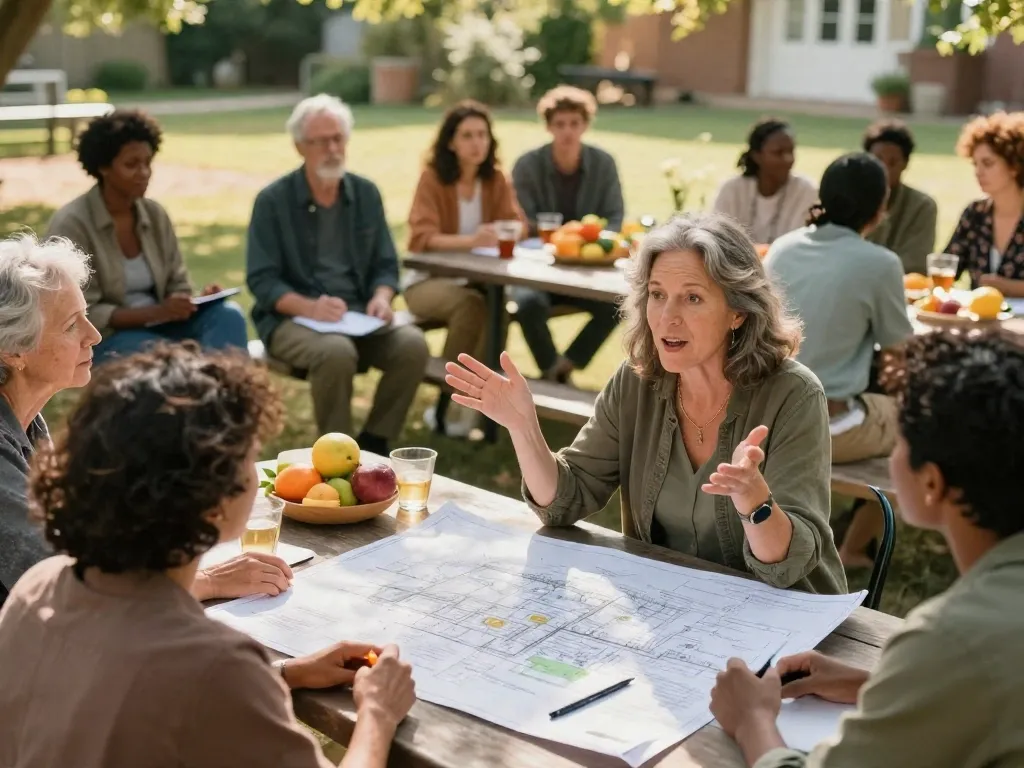
Community input is a crucial component of the budgeting process. Engaged residents can advocate for park funding through various means, such as attending city council meetings, participating in surveys, or joining community organizations. For instance, in 2021, the residents of Austin, Texas, successfully lobbied for a $460 million bond package specifically allocated for park improvements, illustrating the power of community advocacy in securing funding.
Comparative Analysis with Other City Services
Public parks often find themselves competing for budget allocations against other essential services such as public safety, education, and infrastructure. For example, in many cities, police and fire services typically receive the largest shares of the budget due to pressing public safety concerns. Consequently, parks may receive a smaller portion of the budget, resulting in deferred maintenance and reduced access to recreational facilities.
Challenges in Securing Park Funding
Identifying Common Budget Constraints
City budgets are subject to various constraints that can limit park funding. These include:
- Declining Revenues: Economic downturns can lead to reduced tax revenues, forcing cities to cut back on discretionary spending, including parks.
- Increased Demand for Services: As populations grow, the demand for essential services increases, often overshadowing the need for parks.
- Legacy Costs: Many cities face rising costs related to pensions and healthcare for public employees, which can consume a significant portion of the budget.
Political Factors Affecting Park Funding
Political dynamics can significantly influence park funding. Elected officials may prioritize funding for parks in their campaigns but may also face pressure to allocate funds to more immediate issues. In some cases, parks may be viewed as luxuries rather than necessities, leading to lower funding priorities. For example, during the budget discussions in 2022, several cities across the United States opted to cut park funding in favor of increased allocations for public safety, reflecting the political climate surrounding budget priorities.
Impact of Economic Downturns on Park Budgets
Economic downturns typically result in budget cuts, and parks are often among the first areas to suffer. During the Great Recession (2007-2009), many cities experienced significant cuts to parks and recreation budgets. For instance, in 2009, the city of Los Angeles faced a $400 million budget shortfall, leading to a 20% reduction in park funding. Such reductions can have long-lasting impacts on park maintenance, safety, and availability of programs.
Innovative Approaches to Park Funding
Public-Private Partnerships for Park Development
Public-private partnerships (PPPs) have emerged as a viable solution for funding park development and maintenance. These collaborations between government entities and private organizations can leverage additional resources and expertise. For example, the High Line in New York City was transformed from an abandoned railway into a vibrant park through a partnership with the community, private donors, and city officials, showcasing how innovative funding mechanisms can lead to successful park projects.
Grants and Alternative Funding Sources
Many cities are increasingly turning to grants and alternative funding sources to supplement park budgets. Various organizations, including the Land and Water Conservation Fund and the National Park Service, offer competitive grants for park development and preservation. For instance, the city of Portland, Oregon, secured a $1.5 million grant for the development of new park facilities in under-served neighborhoods, demonstrating how grants can provide essential funding to enhance community parks.
Community Fundraising and Volunteer Initiatives
Community-led fundraising efforts and volunteer initiatives can also play a significant role in securing park funding. Local organizations often host events, such as fun runs, bake sales, and community festivals, to raise funds for park improvements. In Seattle, the “Parks and Green Spaces Levy” was established to allow residents to fund park projects directly through increased property taxes, resulting in over $150 million raised for park enhancements over a decade. Such initiatives illustrate the potential for community engagement in supporting park funding.


Comments
No comments yet.
Leave a comment