
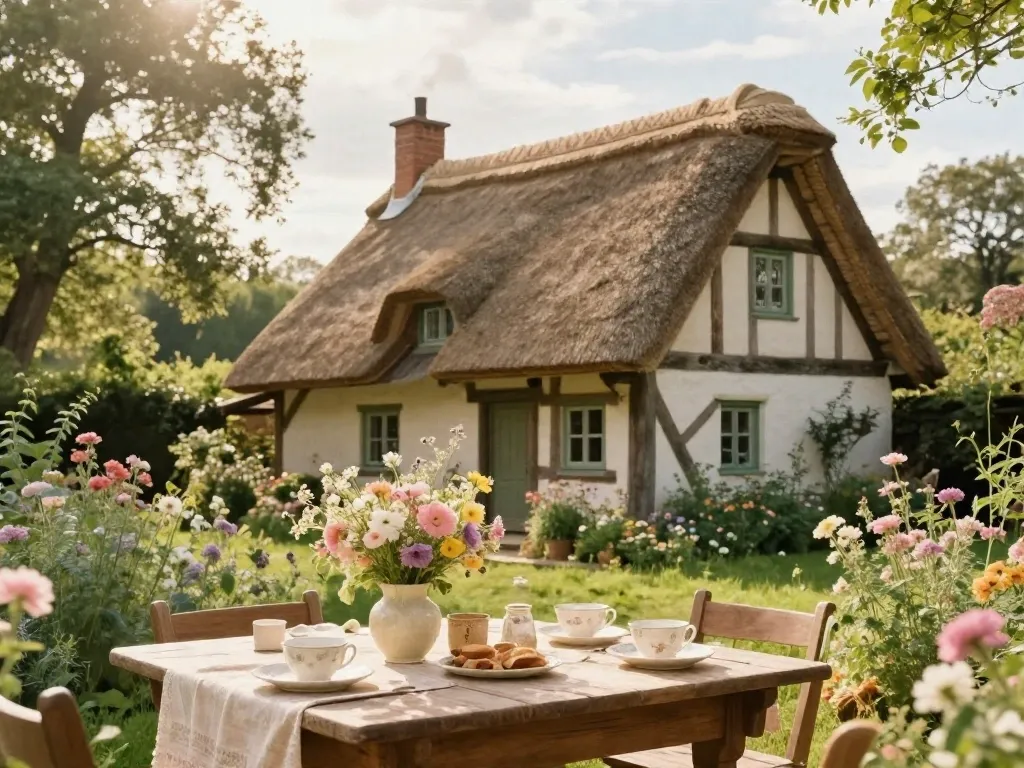
The Origins of Cottagecore Aesthetics
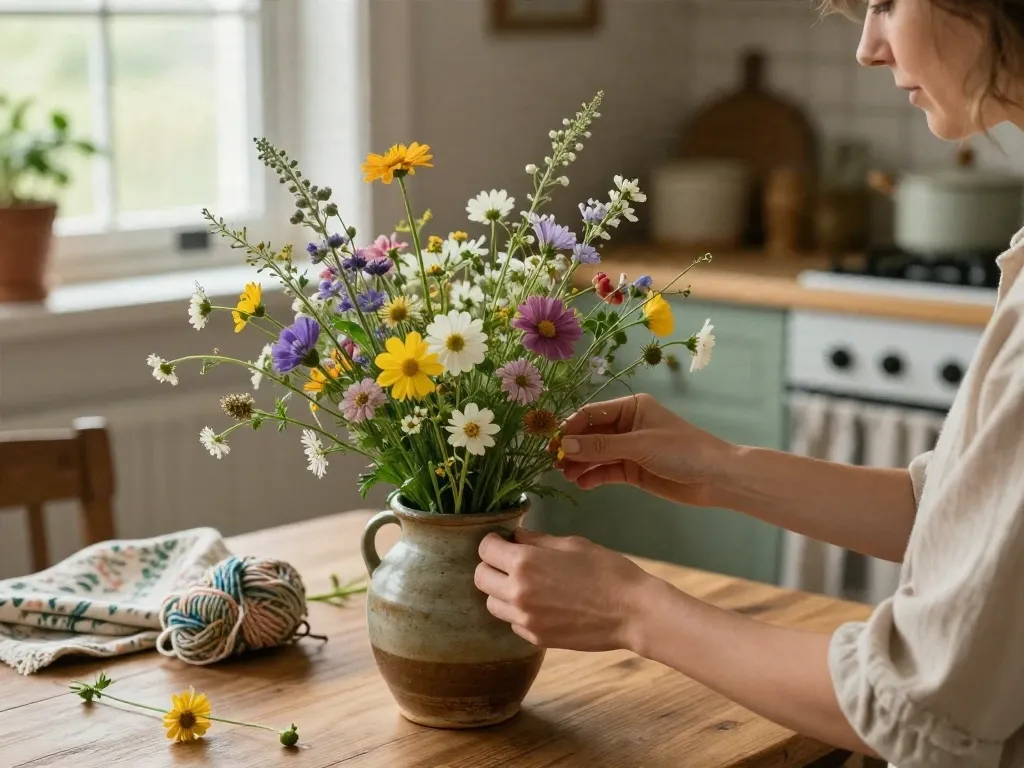
Historical Influences on Cottagecore
Cottagecore is an aesthetic and lifestyle trend that romanticizes rural life, simplicity, and traditional skills. Its roots can be traced back to historical movements such as the Romanticism of the late 18th and early 19th centuries, which emphasized nature, emotion, and individualism. This period saw a growing discontent with industrialization and urban life, leading to a yearning for pastoral and quaint living.
In addition to Romanticism, the Arts and Crafts Movement of the late 19th century played a crucial role in shaping cottagecore aesthetics. Artists and designers like William Morris sought to bring craftsmanship and handmade goods back into everyday life, emphasizing the beauty of natural materials and traditional techniques. This movement laid the groundwork for a return to simpler living, which is a hallmark of the cottagecore aesthetic today.
Key Elements That Define Cottagecore
Cottagecore is characterized by several key elements that evoke a sense of nostalgia and tranquility. Some of these elements include:
- Natural Materials: Emphasis on wood, linen, and other organic materials.
- Floral Patterns: Use of floral prints and soft colors that reflect the beauty of nature.
- Handmade Crafts: A focus on DIY projects, knitting, gardening, and baking.
- Whimsical Imagery: Themes of fairytales, folklore, and rustic charm.
- Simple Living: An appreciation for a slower pace of life, free from the complexities of modern technology.
The Role of Social Media in Cottagecore's Birth
The emergence of cottagecore as a mainstream trend can be significantly attributed to social media platforms, particularly Instagram and TikTok. The hashtag #cottagecore began gaining traction in the late 2010s, with users sharing images of idyllic rural scenes, floral dresses, and homemade goods. This visual storytelling helped cultivate a community that celebrated the simplicity and beauty of rural life.
Moreover, the rise of platforms like Pinterest allowed users to curate their own cottagecore boards, further popularizing the aesthetic. The accessibility of platforms enabled individuals to engage with the lifestyle without the need for a physical rural environment, allowing the aesthetic to flourish beyond its traditional confines.
Cottagecore and the Impact of the Pandemic
How Lockdowns Sparked a Desire for Simplicity
The global pandemic in 2020 acted as a catalyst for the cottagecore aesthetic to permeate mainstream culture. As lockdowns forced people to stay at home, many began to seek solace in simpler, more fulfilling activities that were reminiscent of cottagecore. This shift was partly a reaction to the chaos and uncertainty surrounding the pandemic, prompting individuals to connect with nature and traditional practices.
According to a survey by OnePoll, nearly 70% of respondents reported a desire for a simpler lifestyle during the pandemic, highlighting a collective yearning for peace and stability. The aesthetic of cottagecore provided an avenue for this longing, as people turned to gardening, baking, and crafting as means of coping.
Increased Time at Home and Creativity
With more time spent at home, many individuals embraced creative hobbies that aligned with cottagecore values. DIY home decor projects, baking sourdough bread, and starting vegetable gardens became popular pastimes. The hashtag #CottagecoreKitchen saw millions of posts showcasing home-cooked meals, homemade preserves, and baked goods, further emphasizing the aesthetic's focus on simple, wholesome living.
This trend not only allowed people to express their creativity but also fostered a sense of community as individuals shared their experiences online. The surge in interest in home-based activities led to a renewed appreciation for artisanal skills and a slower lifestyle.
Cottagecore as a Form of Escapism
As the world faced unprecedented challenges during the pandemic, cottagecore emerged as a form of escapism. The aesthetic offered a retreat from the harsh realities of life, inviting individuals to imagine a world filled with lush gardens, cozy cottages, and peaceful moments. This vision resonated particularly well with younger generations who found themselves grappling with anxiety and uncertainty.
The allure of cottagecore was further amplified by its connection to nature and sustainability. As people became more aware of environmental issues, the emphasis on organic gardening, foraging, and sustainable practices within the cottagecore community became increasingly appealing. This synergy of aesthetics and values created a powerful movement that captured the hearts of many.
The Rise of Cottagecore Influencers and Communities
Notable Influencers Who Popularized the Aesthetic
Several influencers played pivotal roles in popularizing the cottagecore aesthetic and expanding its reach beyond niche communities. Notable figures include:
- Rachel M.: Known for her enchanting garden and vintage-style outfits, Rachel's Instagram showcases the beauty of cottagecore living.
- Hannah F.: With a focus on sustainable practices and DIY crafts, Hannah has inspired many to embrace the cottagecore lifestyle.
- Felicia W.: Her whimsical photography captures the essence of cottagecore, highlighting the charm of rural life and handmade goods.
These influencers not only shared their aesthetic but also engaged their followers in conversations about sustainability, mental health, and the importance of community. Their relatable content helped demystify cottagecore, making it accessible to a broader audience.
The Role of Online Platforms in Community Building
Online platforms have been instrumental in fostering a sense of community among cottagecore enthusiasts. Groups on Facebook, Reddit, and Discord have emerged where individuals can share ideas, experiences, and tips related to the aesthetic. These communities provide a space for people to connect over shared interests and support one another in their journeys toward a simpler lifestyle.
For instance, the subreddit r/cottagecore has gained thousands of members who regularly post about their personal projects, recipes, and inspirations. This communal sharing reinforces the values of cottagecore, promoting creativity and collaboration.
How Hashtags and Trends Fueled Mainstream Adoption
The strategic use of hashtags has played a crucial role in catapulting cottagecore into mainstream consciousness. Hashtags like #cottagecore, #cottagecoreaesthetic, and #cottagecorefashion have amassed millions of posts across various social media platforms. This visibility has helped individuals discover the aesthetic and engage with it through their own unique interpretations.
Furthermore, trends such as “cottagecore fashion” have led to retailers adopting this aesthetic in their collections. Brands like Free People and Anthropologie have introduced clothing lines that align with cottagecore values, featuring floral prints, vintage-inspired designs, and comfortable fabrics. This commercial embrace of cottagecore has further solidified its place in contemporary fashion.
Cottagecore in Fashion and Home Decor
Key Fashion Trends Inspired by Cottagecore
Cottagecore has significantly influenced fashion trends, with many designers incorporating elements of the aesthetic into their collections. Key fashion trends inspired by cottagecore include:
- Flowy Dresses: Long, flowing dresses with floral prints and soft colors evoke a sense of femininity and nostalgia.
- Handmade Accessories: Knitwear, embroidered pieces, and handmade jewelry reflect the artisanal spirit of cottagecore.
- Vintage Elements: Incorporation of vintage styles and thrifted pieces highlights the sustainable aspect of the aesthetic.
These trends have resonated with consumers who are increasingly seeking to express their individuality and values through their clothing choices. The rise of online thrift stores and sustainable fashion brands has further enabled this movement.
Home Decor Styles that Embody the Aesthetic
Cottagecore has also made its mark in home decor, with many individuals embracing styles that reflect the aesthetic's core values. Key elements of cottagecore-inspired home decor include:
- Natural Materials: Use of wood, wicker, and stone to create an organic atmosphere.
- Vintage Furniture: Incorporating antique or vintage pieces adds character and warmth to living spaces.
- Greenery: Indoor plants and herb gardens become focal points that connect the home to nature.
This shift towards cottagecore-inspired home decor has led to a resurgence of interest in DIY projects, with many individuals taking on home improvement tasks to create their dream spaces. The popularity of platforms like Pinterest has facilitated this trend by providing endless inspiration for cottagecore aesthetics.
The Influence of Cottagecore on Sustainable Practices
The cottagecore aesthetic is deeply intertwined with sustainable practices, as it encourages individuals to embrace a lifestyle that prioritizes environmental consciousness. This connection has influenced various aspects of daily living, including:
- Gardening: Many cottagecore enthusiasts have taken up gardening as a way to grow their own food and reduce their carbon footprint.
- Foraging: A growing interest in foraging for wild edibles has been promoted within the community, emphasizing a connection to local ecosystems.
- Handmade Goods: The cottagecore movement encourages the creation of handmade items, reducing reliance on mass-produced products.
This focus on sustainability aligns with a growing societal awareness around environmental issues, making cottagecore not just a trend, but a lifestyle choice that embodies a commitment to the planet.
The Future of Cottagecore in Lifestyle Trends
Potential Evolution of the Aesthetic
As cottagecore continues to evolve, we may see the aesthetic adapting to changing cultural contexts and societal needs. While the core values of simplicity and connection to nature will likely remain, the aesthetic may incorporate modern elements, such as minimalism or urban gardening, to appeal to a wider audience.
This evolution could lead to the emergence of hybrid styles that blend cottagecore with other aesthetics, creating a more diverse range of expressions and interpretations of the lifestyle.
Cottagecore's Integration with Other Trends
In the coming years, we can expect cottagecore to integrate with other lifestyle trends, such as wellness and mindfulness. The emphasis on self-care, mental health, and holistic living aligns well with the cottagecore ethos, creating opportunities for collaboration and cross-pollination between these movements.
Additionally, the rise of digital nomadism and remote work may lead to an adaptation of cottagecore principles in urban settings, where individuals seek to cultivate pockets of tranquility within the chaos of city life.
Long-Term Cultural Impacts of Cottagecore on Lifestyle Choices
The long-term cultural impacts of cottagecore on lifestyle choices are likely to be significant. As more people embrace the values associated with the aesthetic, we may see a shift towards community-oriented living, increased interest in local economies, and a greater appreciation for craftsmanship.
Moreover, the cottagecore movement has the potential to inspire future generations to prioritize sustainability, creativity, and mental well-being, shaping the way individuals approach their homes, fashion, and interactions with the environment.
In summary, cottagecore aesthetics have captured the mainstream trend by resonating with a collective desire for simplicity, creativity, and connection to nature. Its rise is not merely a fleeting fad, but rather a cultural movement that reflects deeper societal values and aspirations.


Comments
No comments yet.
Leave a comment