
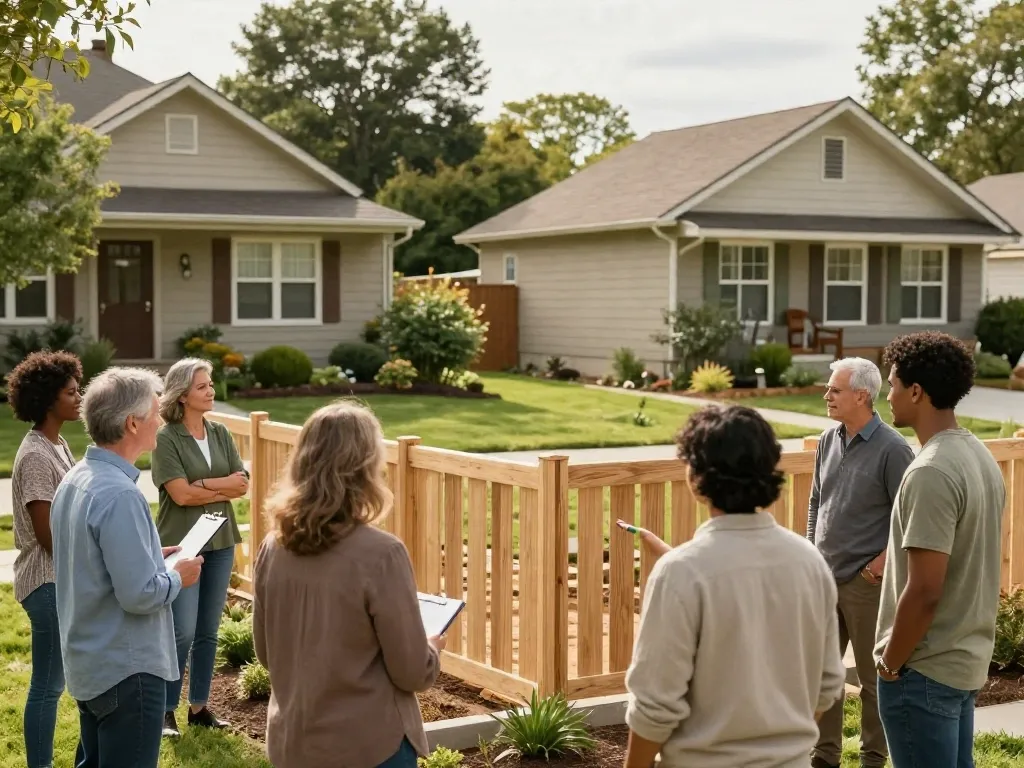
The Role of Neighborhood Associations in Fence Disputes
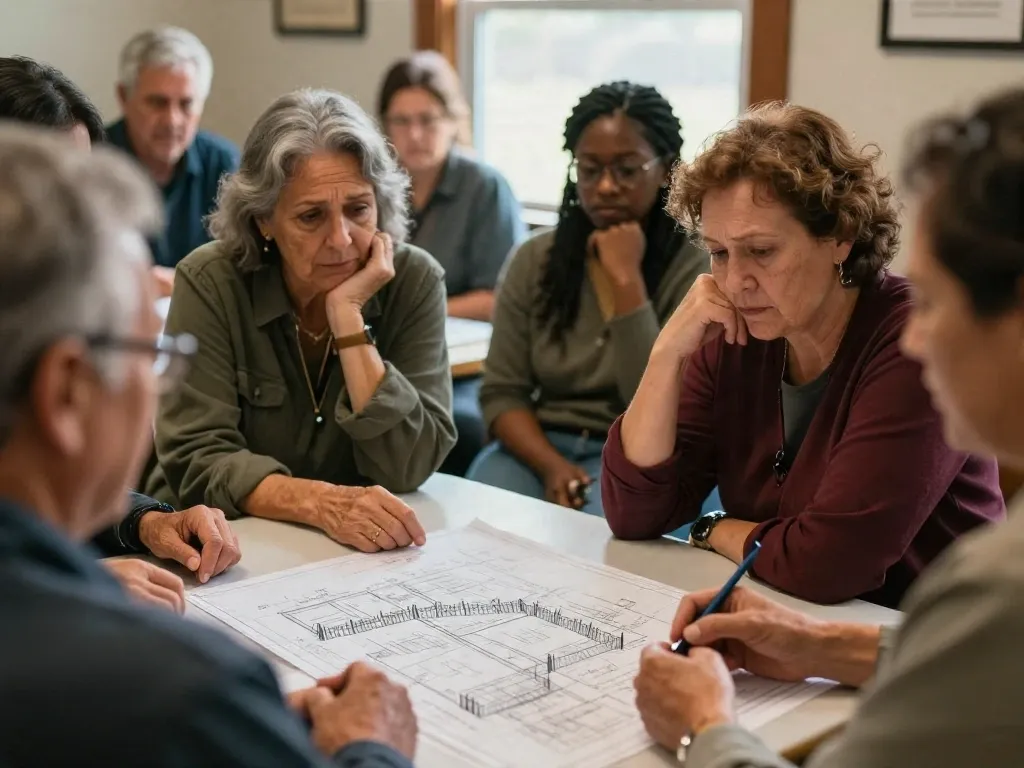
Understanding Neighborhood Association's Authority
Neighborhood associations, often formed to maintain community standards and foster a sense of belonging, play a crucial role in mediating disputes among residents. Their authority typically stems from the governing documents, such as bylaws and covenants, which outline the rules and regulations that homeowners agree to abide by when they purchase property in a designated area. These documents often include specific provisions regarding fences, such as height restrictions, materials, and placement. Understanding this authority is essential for both the homeowners involved in a dispute and the association members tasked with resolution.
Types of Fence Disputes Commonly Encountered
Fence disputes can manifest in various forms, often leading to tension between neighbors. Some common types include:
- Boundary Disputes: Disagreements over where one property line ends, and another begins are frequent. A survey may be necessary to settle these disputes.
- Height and Design Violations: Homeowners may construct fences that do not comply with community standards, leading to complaints from neighbors.
- Maintenance Issues: Disputes can arise when one neighbor feels that the fence is not being maintained properly, which can affect the visual appeal and safety of the area.
- Shared Fence Responsibilities: When two properties share a fence, issues can arise regarding who is responsible for repairs and maintenance.
Legal Framework Surrounding Fence Regulations
The legal framework governing fence regulations varies by location, often influenced by local zoning laws, property laws, and homeowners' association rules. Typically, these regulations dictate acceptable fence heights, materials, and styles. In many jurisdictions, homeowners may need to obtain a permit before constructing a fence, especially if it exceeds a certain height. Understanding this legal framework is essential for neighborhood associations to effectively mediate disputes. Ensuring that all parties are aware of their rights and responsibilities can help facilitate a smoother resolution process.
Communication Strategies Employed by Associations
Facilitating Open Dialogue Between Neighbors
Effective communication is key in resolving fence disputes. Neighborhood associations often take on the role of mediator by facilitating open dialogue between the involved parties. This can involve:
- Organizing informal meetings to discuss concerns.
- Encouraging neighbors to express their viewpoints in a safe and structured environment.
- Promoting understanding of each other's perspectives, which can lead to more amicable solutions.
Using Mediation Techniques for Conflict Resolution
Mediation techniques can significantly aid in resolving fence disputes. Neighborhood associations may employ trained mediators who can guide the conversation and help neighbors navigate their conflicts. Techniques include:
- Active Listening: Mediators encourage all parties to listen to each other’s concerns without interruption.
- Identifying Common Goals: Focusing on shared interests, such as maintaining property values and community harmony, can shift the conversation from conflict to collaboration.
- Proposing Compromise Solutions: Mediators can suggest compromises that consider both parties' needs, such as adjusting the fence height or agreeing on maintenance responsibilities.
Establishing Clear Communication Channels
Neighborhood associations should establish clear communication channels to ensure that residents know how to report disputes and seek assistance. This can include:
- Creating dedicated email addresses or phone lines for dispute resolution inquiries.
- Providing clear guidelines on the process for filing a complaint or dispute.
- Regularly updating community members about resolutions and ongoing disputes (while respecting privacy).
Establishing Guidelines for Fence Construction and Maintenance
Creating Comprehensive Fence Policies
To prevent disputes from arising in the first place, neighborhood associations can create comprehensive fence policies. These policies should address:
- Acceptable fence heights, typically ranging from 4 to 6 feet in residential areas.
- Permissible materials, such as wood, vinyl, or wrought iron.
- Design standards to ensure aesthetic consistency across the neighborhood.
By clearly outlining these guidelines, associations can help residents make informed decisions before constructing fences, reducing the likelihood of future disputes.
Incorporating Aesthetic and Safety Considerations
In addition to structural guidelines, neighborhood associations should consider aesthetic and safety aspects when establishing fence policies. Aesthetic considerations include:
- Color schemes that complement the neighborhood’s overall design.
- Landscaping that enhances the visual appeal of the fence.
Safety considerations might include ensuring that fences do not obstruct visibility at intersections or impede access for emergency services. By addressing these factors, associations can foster a more harmonious community environment.
Regular Updates and Community Engagement
Neighborhood associations should engage regularly with residents to keep them informed about fence regulations and updates. This can be achieved through:
- Hosting community meetings to discuss fence issues and gather feedback.
- Sending newsletters or emails that outline any changes to policies or regulations.
- Encouraging residents to participate in policy reviews to promote transparency and inclusiveness.
Regular engagement helps maintain a proactive approach to potential disputes and fosters a sense of community ownership.
Case Studies of Successful Fence Dispute Resolutions
Analyzing Real-Life Examples from Various Neighborhoods
To understand how neighborhood associations effectively mediate fence disputes, it is valuable to analyze real-life examples. One notable case involved a community in suburban Chicago where two neighbors disagreed over a newly constructed fence that one party claimed encroached on their property. The neighborhood association facilitated a meeting, during which both parties presented their surveys. The association proposed a compromise, allowing the fence to remain but requiring the owner to adjust its height to meet community standards. This resolution not only settled the dispute but also reinforced the importance of clear communication and adherence to guidelines.
Lessons Learned from Failed Dispute Resolutions
While many disputes can be successfully resolved, some cases highlight what can go wrong. For instance, in a neighborhood in California, a dispute arose over a fence that blocked a neighbor's view of the ocean. The association attempted to mediate but failed to establish effective communication, leading to an escalation of tensions. This situation ultimately resulted in legal action, highlighting the need for:
- Timely intervention by the association.
- Clear communication strategies to address issues before they escalate.
- Active involvement of community members in discussions.
Best Practices for Future Conflict Avoidance
To avoid similar conflicts in the future, neighborhood associations can adopt best practices such as:
- Implementing regular workshops on fence regulations and community standards.
- Encouraging neighbors to discuss plans before construction begins.
- Providing access to resources, such as legal counsel or mediation services, for residents facing disputes.
These practices can help create a more proactive and harmonious community environment.
The Future of Neighborhood Associations in Dispute Mediation
Adapting to Changing Community Dynamics
As communities evolve, neighborhood associations must adapt their approaches to dispute mediation. Changing demographics, such as an influx of new residents or increased diversity, can lead to varying perspectives on property rights and neighborhood aesthetics. Associations should be open to revising their guidelines and policies to reflect these changes and ensure inclusivity.
The Impact of Technology on Dispute Resolution
Technology is playing an increasingly significant role in how neighborhood associations mediate disputes. Online platforms can facilitate communication, enabling residents to report issues, share concerns, and access resources. For instance, some associations have adopted dispute resolution apps that allow neighbors to engage in discussions and document agreements digitally. This shift towards technology not only streamlines the mediation process but also makes it more accessible to residents.
Training and Resources for Association Members
Investing in training and resources for association members is essential for effective dispute mediation. Providing workshops on conflict resolution, communication strategies, and legal frameworks empowers association members to navigate disputes confidently. Additionally, partnerships with local mediation organizations can offer residents access to professional mediators, enhancing the overall effectiveness of the dispute resolution process.



Comments
No comments yet.
Leave a comment