
Advancements in Processor Technology for Local LLMs
Emerging Architectures for AI Processing
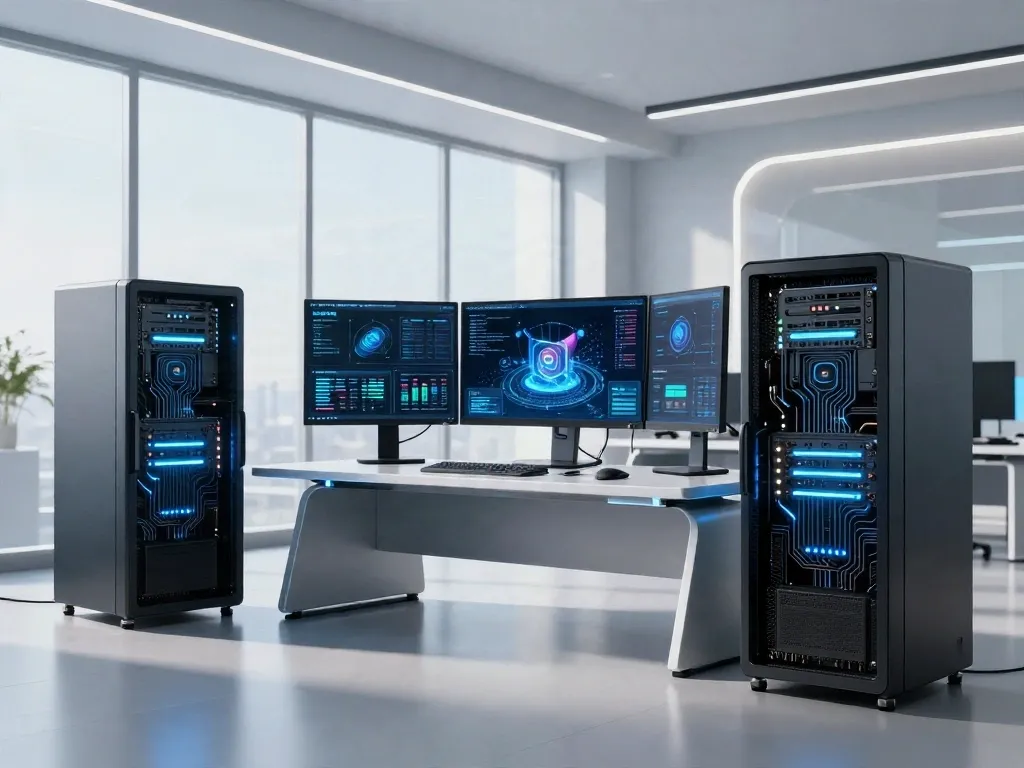
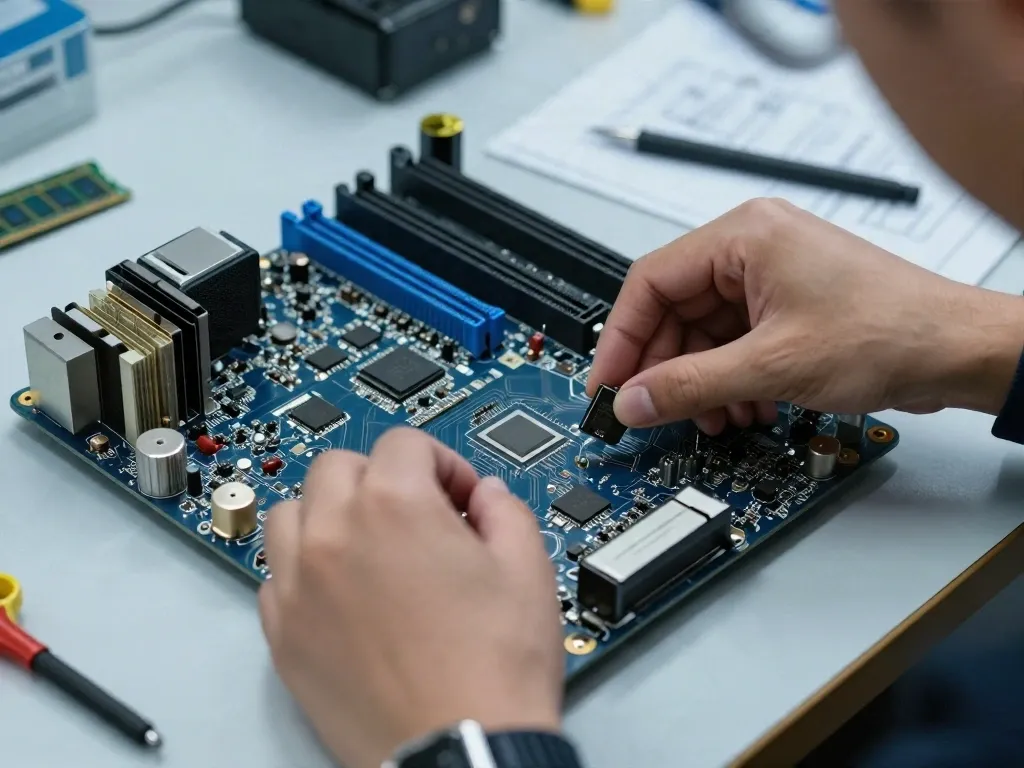
As we look forward to 2026, the evolution of processor technology will play a pivotal role in enhancing the performance of local Large Language Models (LLMs). Traditional CPU architectures are being supplemented, and in some cases supplanted, by specialized hardware designed specifically for AI workloads. Notable examples include Graphics Processing Units (GPUs), Tensor Processing Units (TPUs), and Field Programmable Gate Arrays (FPGAs), which are optimized for the parallel processing demands of LLMs.
By 2026, we can expect to see processors with integrated AI capabilities that leverage architectures like NVIDIA's Hopper and AMD's MI300. These architectures incorporate advanced features such as matrix computation units, which enhance the efficiency of neural network training and inference. For instance, Hopper's architecture is expected to deliver up to 1.5 times the performance of its predecessor, Ampere, while also improving energy efficiency significantly.
Impact of Quantum Computing on LLM Hardware
Quantum computing, though still in its infancy, promises to disrupt the landscape of computing paradigms by 2026. The ability of quantum computers to process vast amounts of data simultaneously could lead to breakthroughs in training and deploying LLMs. Companies like IBM and Google are actively researching quantum processors that could one day reduce the time required for training LLMs from weeks to hours.
For instance, IBM's Quantum Hummingbird, which features 127 qubits, holds the potential to tackle problems that classical computers struggle with, such as optimization of training datasets or enhancing the accuracy of language models. If quantum computing becomes commercially viable by 2026, integrating quantum processors with classical systems could create hybrid architectures, significantly enhancing local LLM performance.
Trends in Multi-Core and Parallel Processing
As LLMs grow in complexity, the demand for multi-core and parallel processing capabilities will escalate. By 2026, we expect processor manufacturers to focus on increasing the number of cores in their CPUs and GPUs, allowing for more simultaneous threads of execution. For example, the next generation of AMD's EPYC processors is projected to exceed 64 cores, providing the necessary computational power for running extensive LLMs locally.
Moreover, advancements in software frameworks will complement these hardware improvements. Libraries such as TensorFlow and PyTorch are evolving to optimize multi-threading and parallelization, allowing developers to fully exploit the capabilities of these high-core-count processors.
Memory Requirements for Efficient Local LLM Performance
Evolution of RAM Technologies for AI Applications
Memory technology is critical for the efficient operation of LLMs, and by 2026, we expect significant advancements in RAM technologies tailored for AI applications. Current trends indicate a shift towards High Bandwidth Memory (HBM) and DDR6, which provide higher data transfer rates and lower power consumption compared to previous generations.
For example, HBM3, which is expected to become mainstream by 2026, offers bandwidths exceeding 600 GB/s, making it highly suitable for the demands of LLMs that require rapid access to large datasets. The integration of such memory technologies will enable local systems to handle larger models, enhancing both training and inference times.
Storage Solutions for Large Language Models
As LLMs continue to grow in size, efficient storage solutions will become paramount. By 2026, we anticipate the widespread adoption of NVMe (Non-Volatile Memory Express) SSDs, which are capable of extremely high read and write speeds. Current high-end NVMe SSDs, such as the Samsung 980 Pro, achieve speeds of up to 7,000 MB/s; future iterations are expected to push this boundary even further.
Moreover, storage technologies such as 3D NAND will likely become the standard, allowing for greater storage densities and improved performance. This is crucial for LLMs, as they often require significant amounts of storage for both the model parameters and the datasets used during training.
Memory Bandwidth and Latency Considerations
As LLMs require massive data throughput, memory bandwidth and latency will be critical factors in local deployment. By 2026, we can expect enhancements in memory architecture that will significantly reduce latency while increasing bandwidth. For instance, the introduction of new memory controllers designed specifically for AI workloads could reduce latency to below 10 ns.
Additionally, the implementation of advanced caching strategies will be crucial in optimizing the flow of data between the CPU/GPU and memory, ensuring that LLMs can access the necessary data without bottlenecks. This will allow for more seamless training and inference processes, thereby improving overall model performance.
Power Consumption and Cooling Solutions for LLM Hardware
Energy Efficiency Trends in AI Hardware
Power consumption is a significant concern in the deployment of local LLMs, and by 2026, energy efficiency will be a top priority for hardware manufacturers. The trend towards energy-efficient AI hardware will continue, with manufacturers focusing on delivering products that not only enhance performance but also minimize power usage.
For example, NVIDIA's upcoming architectures are expected to leverage dynamic voltage and frequency scaling (DVFS), which allows chips to adjust their power consumption based on workload demands. This could result in power savings of up to 30% without sacrificing performance, which is crucial for organizations running LLMs locally.
Innovations in Cooling Technologies for High-Performance Computing
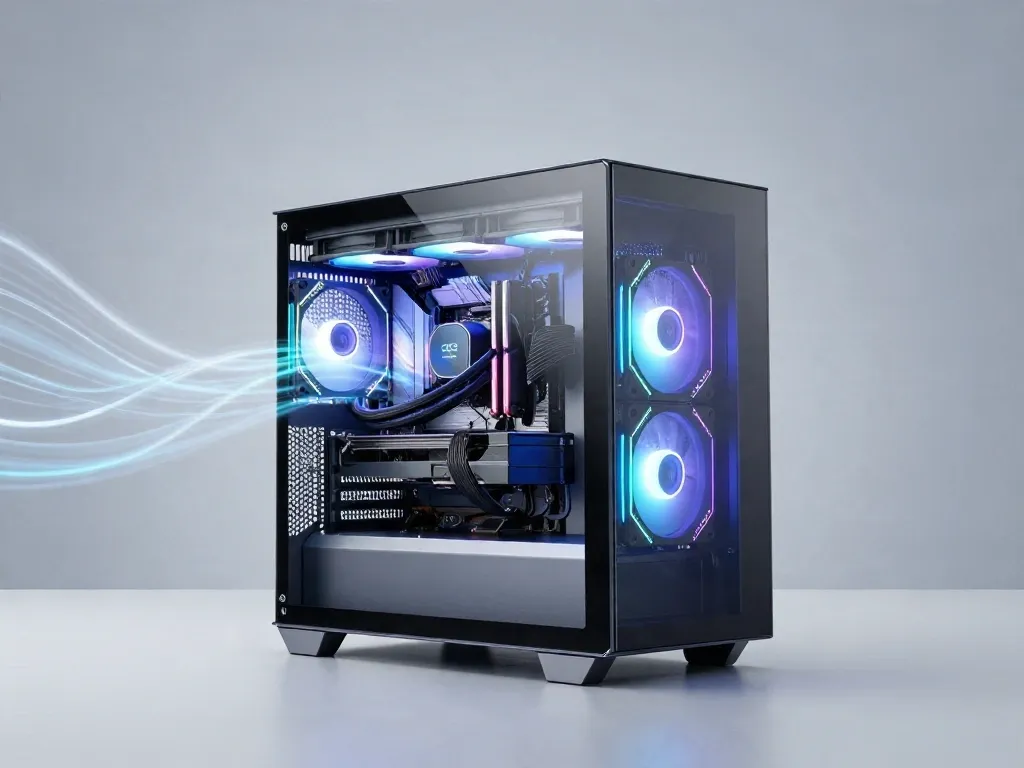
As hardware performance increases, so does the need for effective cooling solutions. By 2026, we can expect to see innovative cooling technologies such as liquid cooling and advanced thermal management systems becoming standard in data centers and high-performance computing environments.
For instance, companies like Cooler Master and Corsair are developing liquid cooling systems that can handle the increased thermal output of next-gen processors. Additionally, phase-change cooling systems could be utilized to maintain optimal temperatures for processors running intensive LLM workloads.
Regulatory and Environmental Impact on Power Usage
As the world becomes more environmentally conscious, regulatory frameworks surrounding energy consumption will likely tighten by 2026. This will compel hardware manufacturers to prioritize energy-efficient designs to comply with regulations while also appealing to eco-conscious consumers.
Furthermore, organizations leveraging local LLMs will need to invest in energy-efficient infrastructure, potentially utilizing renewable energy sources to power their operations. The shift towards sustainability will not only reduce operational costs but also contribute positively to corporate social responsibility goals.
Networking and Connectivity Needs for Local LLMs
Importance of High-Speed Data Transfer
Networking capabilities are crucial for the effective deployment of local LLMs, particularly as they often require real-time data processing and access to large datasets. By 2026, we can expect advancements in networking technologies that facilitate high-speed data transfer, which is essential for training and deploying these models efficiently.
Technologies such as 400G Ethernet and advanced Wi-Fi standards (like Wi-Fi 7) will likely become commonplace, enabling faster communication between devices and reducing latency. This will allow organizations to manage large datasets more effectively while ensuring that LLMs can operate in real time.
5G and Its Role in Local LLM Deployment
The rollout of 5G technology is expected to have a profound impact on the deployment of local LLMs by 2026. With its high bandwidth and low latency, 5G will enable seamless connectivity for devices running LLMs, allowing for real-time collaboration and data sharing.
For instance, applications in smart cities or autonomous vehicles that utilize LLMs for natural language processing could leverage 5G networks to process data on the fly, making decisions in real time. This will be crucial for applications requiring instantaneous feedback and data processing.
Scalability and Network Architecture Considerations
As organizations adopt local LLMs, scalability will become a critical consideration. By 2026, cloud and edge computing architectures will evolve to support the increasing demands of LLMs. This will include hybrid models that combine local computing power with cloud resources, enabling organizations to scale their LLM capabilities as needed.
Network architectures designed for AI workloads will also become more prevalent, featuring distributed systems that can efficiently manage the computational loads of multiple LLMs. This will necessitate investment in robust networking infrastructure to ensure that data can be transferred quickly and reliably between nodes.
Cost Analysis and Market Trends for Local LLM Hardware
Projected Costs of Advanced AI Hardware in 2026
As we move towards 2026, understanding the cost dynamics of local LLM hardware will be essential for organizations planning to adopt these technologies. While the initial investment in advanced processors, memory, and networking equipment may be substantial, the long-term benefits could outweigh the costs.
For example, high-performance GPUs like the NVIDIA A100, which currently retail for around $10,000, may see price reductions as competition increases and production scales up. Similarly, as RAM technologies advance, the cost per GB of HBM and DDR6 memory is expected to decrease, making it more accessible for organizations looking to implement local LLMs.
Funding Opportunities and Investment in AI Technology
Investment in AI technology is expected to grow significantly by 2026, with venture capital and government funding playing a crucial role. Organizations seeking to implement local LLMs can explore various funding opportunities, including grants, corporate partnerships, and investment from AI-focused venture capital firms.
Moreover, as AI technology continues to gain traction, we can expect an increase in public-private partnerships that aim to foster innovation and development in the AI hardware space. This collaborative approach can help mitigate some of the upfront costs associated with implementing advanced LLM technologies.
Market Demand and Supply Chain Dynamics
The demand for local LLM hardware is projected to grow exponentially as more organizations recognize the value of deploying AI capabilities in-house. By 2026, we anticipate that supply chain dynamics will evolve to meet this demand, with manufacturers ramping up production and diversifying their sourcing strategies.
As the market for AI hardware expands, we may also see a shift towards more localized production facilities, which could help mitigate supply chain disruptions experienced during global events such as the COVID-19 pandemic. This could lead to shorter lead times and more reliable availability of critical components necessary for deploying local LLMs.

Comments
No comments yet.
Leave a comment