
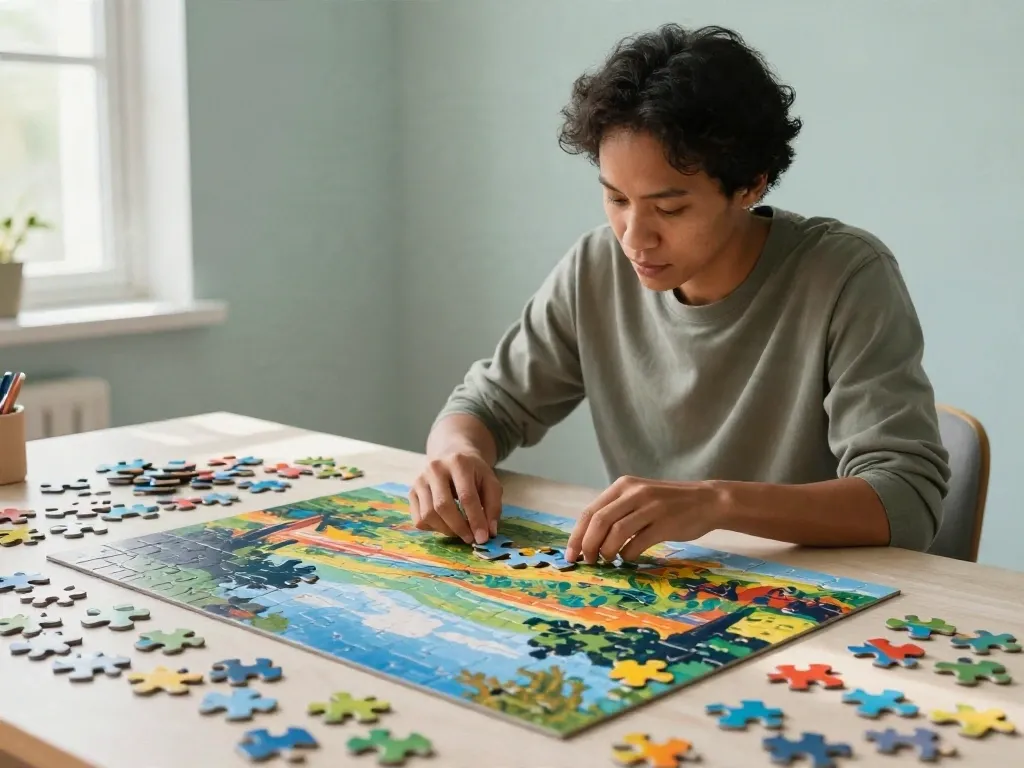
Understanding Competitive Jigsaw Puzzle Formats
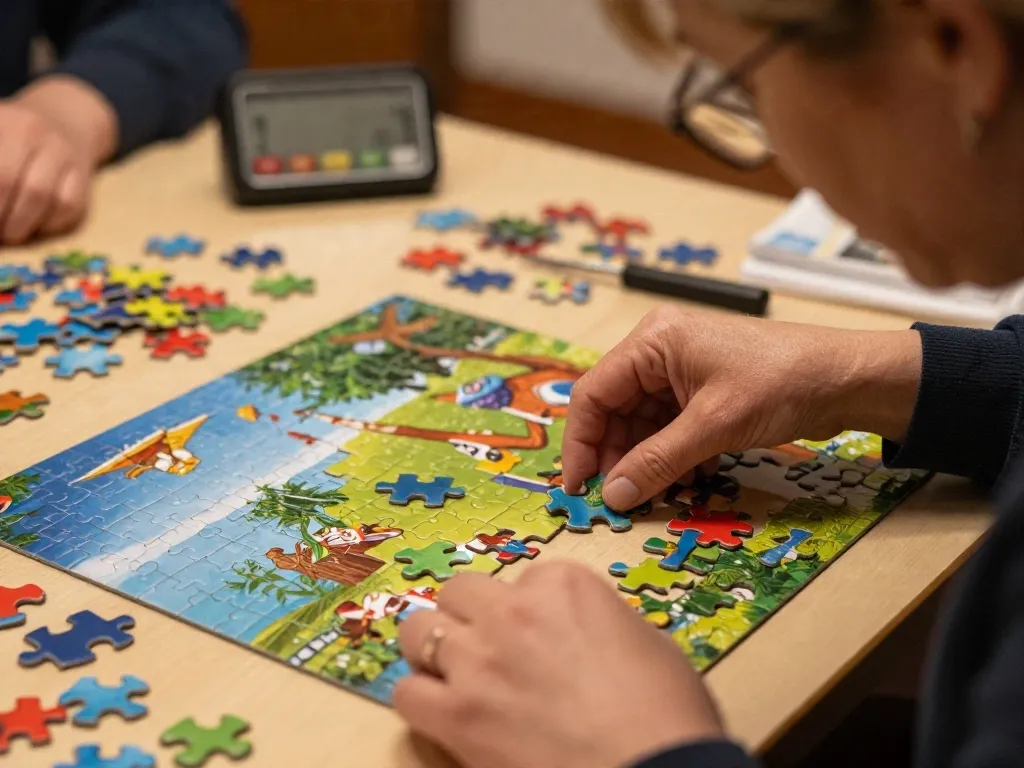
Types of Competitive Jigsaw Puzzle Events
Competitive jigsaw puzzle solving has evolved into a thriving community, offering various formats that cater to different skills and preferences. The most recognized types of competitive events include:
- Individual Competitions: These events often feature solo participants racing against the clock to complete a puzzle. Timed trials, such as the World Jigsaw Puzzle Championship, exemplify this format.
- Team Competitions: Teams of two or more individuals collaborate to complete a jigsaw puzzle in the shortest time possible. This format encourages strategic planning and division of roles.
- Relay Events: In relay events, teams take turns solving sections of a puzzle. Each member is responsible for a specific portion, emphasizing teamwork and efficient transitions.
Rules and Regulations of Competitions
Each competitive event has its own set of rules that participants must follow. Understanding these regulations is crucial for success:
- Time Limits: Most competitions impose strict time limits, often ranging from 30 minutes to several hours, depending on the puzzle's complexity.
- Piece Count: Competitions typically specify the number of pieces in the puzzle, which can range from 300 to over 5,000 pieces.
- Disqualification Criteria: Participants may be disqualified for breaking rules such as using non-puzzle tools or failing to adhere to the provided workspace limitations.
Being familiar with the specific rules of the event you are entering is essential, as violations can lead to penalties or disqualification.
Choosing the Right Puzzle for Competitive Play
Selecting an appropriate puzzle is crucial for competitive success. Consider the following factors:
- Difficulty Level: Opt for puzzles that match your skill level. Beginners might start with 500-piece puzzles, while experienced competitors can tackle 1000 pieces or more.
- Image Complexity: Puzzles with simple, bold images are typically easier to solve quickly compared to intricate designs with similar colors.
- Brand Quality: Invest in high-quality puzzles from reputable brands such as Ravensburger or Buffalo Games, known for their precise cuts and vibrant images.
Essential Techniques for Speed Solving
Sorting and Organizing Pieces Efficiently
Efficient sorting and organization of puzzle pieces can significantly enhance your solving speed. Here are some effective strategies:
- Color Sorting: Group pieces by color to quickly locate necessary sections. For example, if you’re working on a landscape puzzle, separate the blue sky pieces from the green ground pieces.
- Edge vs. Inner Pieces: Separate edge pieces from inner pieces. This allows you to build the border first, which is a common strategy among competitive solvers.
- Piece Shape: Identify unique shapes or patterns in the pieces and group them accordingly. For instance, pieces with a single knob or hole can be placed in a separate pile.
Implementing the Edge and Corner Strategy
The edge and corner strategy is a fundamental technique in jigsaw puzzle solving. It involves the following steps:
- Assemble the Border: Start by finding and connecting all edge pieces to create a frame. This not only gives you a defined area to work within but also helps in visualizing the puzzle’s layout.
- Focus on Corners: Identify and place corner pieces first, as they anchor the puzzle. For example, if working on a 1000-piece puzzle, securing all four corners can provide a significant head start.
Developing Pattern Recognition Skills
Pattern recognition is a critical skill for competitive jigsaw puzzlers. Enhance this ability through:
- Frequent Practice: Regularly solve puzzles to familiarize yourself with common patterns and piece shapes.
- Studying Image Layouts: Analyze the image on the puzzle box before starting. Recognizing areas of color and design can guide your sorting and assembly.
- Using Reference Points: While solving, use reference points in the image to connect pieces. This can be especially useful in puzzles with repetitive or complex designs.
Team Strategies for Collaborative Competitions
Roles and Responsibilities Within a Team
In team competitions, defining roles can streamline the solving process. Here are common roles to consider:
- Sorter: This team member is responsible for sorting pieces into organized piles, allowing teammates to focus on assembly.
- Builder: The builder focuses on connecting pieces, often working from the sorted piles to complete sections of the puzzle.
- Coordinator: This person oversees the team’s progress, ensuring that everyone is on track and adjusting roles as necessary.
Effective Communication Techniques
Clear communication is vital in team events. Implement these techniques:
- Establish Signals: Develop non-verbal signals to indicate which pieces are needed without disrupting the flow of solving.
- Regular Check-ins: Conduct brief check-ins to assess progress and adjust strategies as needed.
- Positive Reinforcement: Encourage team members with positive feedback, which can enhance morale and teamwork.
Practicing Together: Building Team Chemistry
The importance of practice cannot be overstated. Build team chemistry through:
- Regular Training Sessions: Schedule weekly practice sessions to familiarize yourselves with each other’s solving styles and preferences.
- Participate in Local Events: Entering local competitions together can provide real-world experience and strengthen team dynamics.
- Debrief After Practice: After each practice session, discuss what strategies worked and what didn’t, allowing for continuous improvement.
Tools and Resources for Competitive Puzzlers
Recommended Puzzle Brands and Manufacturers
Investing in quality puzzles can make a significant difference in your competitive performance. Here are some top brands to consider:
- Ravensburger: Known for their high-quality pieces and vibrant images, Ravensburger puzzles are a favorite among competitive puzzlers.
- Buffalo Games: Offering a wide variety of unique images and high piece counts, Buffalo Games puzzles are ideal for those looking to challenge themselves.
- Cobble Hill: This brand is celebrated for its intricate designs and quality craftsmanship, making it a great choice for serious competitors.
Online Platforms for Practice and Competitions
Online platforms offer a wealth of resources for competitive puzzlers. Consider engaging with:
- Puzzle Competitions: Websites like Jigsaw Planet host timed online competitions, allowing you to practice under pressure.
- Communities and Forums: Joining forums such as Reddit’s r/JigsawPuzzles can provide insights, tips, and support from fellow puzzlers.
- Social Media Groups: Facebook and Instagram have numerous groups dedicated to competitive puzzling where members share experiences and strategies.
Utilizing Technology: Apps and Software for Training
In the digital age, various apps and software can enhance your puzzle-solving skills:
- Jigsaw Puzzle Apps: Applications like Magic Jigsaw Puzzles offer an extensive library of puzzles that can be solved on-the-go, allowing for practice anytime.
- Puzzle Solver Tools: Software like Jigsaw Puzzle Solver can help you analyze piece shapes and patterns, improving your overall recognition skills.
- Video Tutorials: YouTube hosts numerous channels dedicated to competitive puzzling techniques, providing visual demonstrations of effective strategies.
Analyzing Competitor Strategies and Learning
Studying Past Competition Performances
Learning from previous competitions can provide valuable insights into effective strategies:
- Watch Video Footage: Many competitions are recorded and shared online. Reviewing these videos can reveal the techniques used by successful competitors.
- Analyze Time Trials: Look at the time taken by top competitors. Note the strategies employed and consider how they might apply to your own solving style.
Learning from Top Competitors and Their Techniques
Study the habits and techniques of top competitors to refine your own skills:
- Interviews and Articles: Engage with interviews of champions in the jigsaw puzzle community, where they often share their personal strategies and experiences.
- Mentorship: Seek out mentorship opportunities from experienced puzzlers who can guide you through advanced techniques and strategies.
Adapting Strategies Based on Competitor Behavior
Being aware of your competitors' strategies can give you a competitive edge. Here’s how to adapt:
- Observational Skills: During competitions, observe how your opponents organize and solve. This can reveal effective methods that you might not have considered.
- Flexibility: Be ready to adjust your strategy based on the progress of your competitors. If someone is excelling in a particular area, consider shifting your focus to another section of the puzzle.

Comments
No comments yet.
Leave a comment