
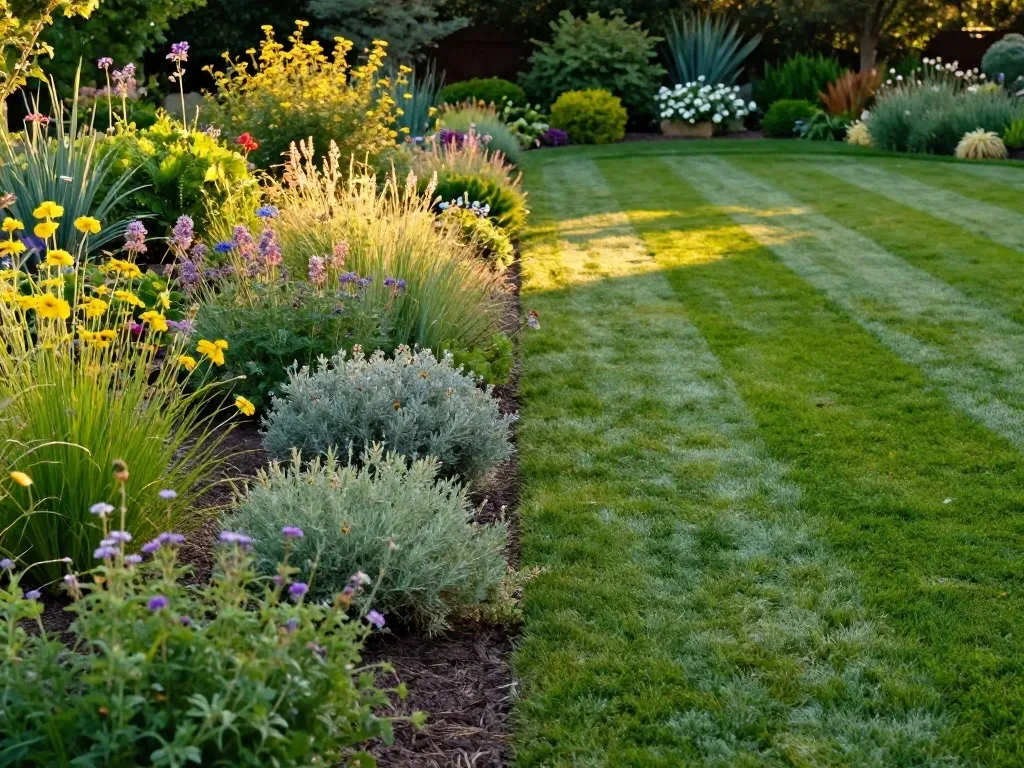
Initial Investment: Comparing Native Plant Landscaping and Traditional Lawns
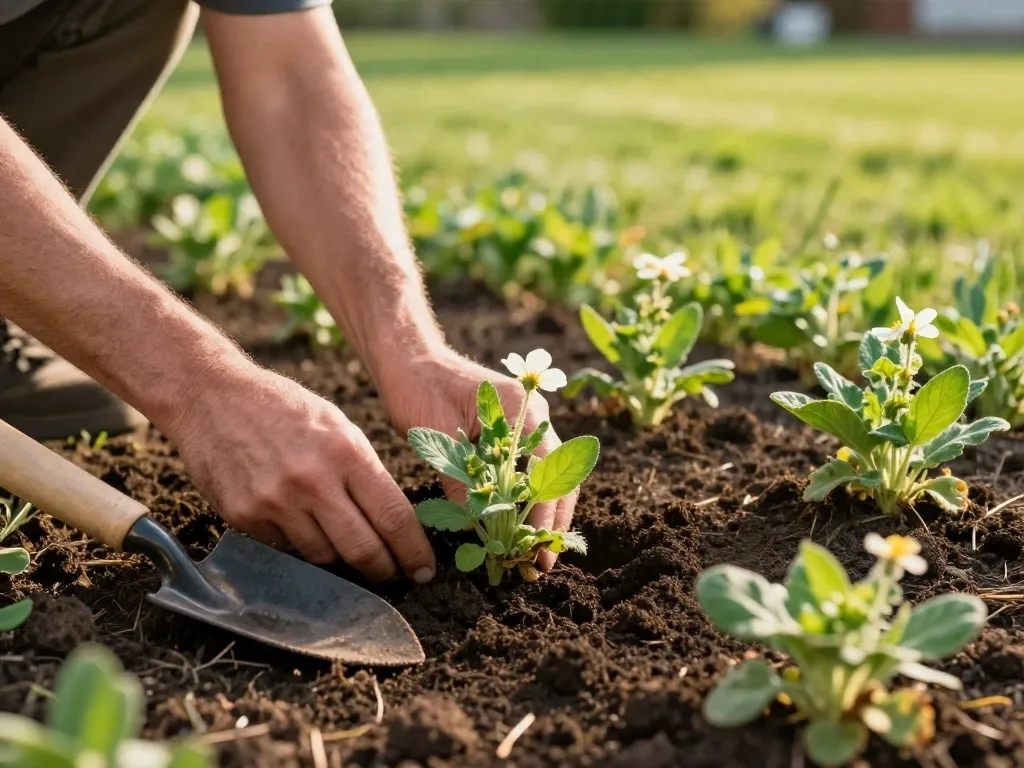
Cost of Native Plants vs. Grass Seed
The initial investment for landscaping can significantly influence a homeowner’s choice between traditional lawns and native plant landscapes. Grass seed, which is commonly used for conventional lawns, can cost between $0.10 to $0.30 per square foot. For an average lawn size of 1,500 square feet, this translates to an initial seed cost of approximately $150 to $450. However, this cost can vary based on the grass type selected; for example, premium grass varieties like Kentucky Bluegrass can reach up to $1.00 per square foot.
In contrast, native plants can present a different cost structure. The price of native plants typically ranges from $3 to $15 per plant, depending on the species and size. For a native landscape designed to cover a similar area as the lawn mentioned above, planting 100 native plants at an average cost of $10 each would amount to approximately $1,000. While the initial investment for native plants is higher, these plants are often more resilient and require less ongoing maintenance, which can offset the initial outlay over time.
Installation Expenses for Native Landscapes
When considering installation, traditional lawns typically involve preparation costs, including soil testing, grading, and sod or seed installation. Hiring a professional landscaper for sod installation can cost between $1.00 to $2.00 per square foot, leading to a total of $1,500 to $3,000 for a 1,500 square foot lawn.
On the other hand, installing a native plant landscape may involve additional costs related to design and preparation, potentially ranging from $0.50 to $3.00 per square foot depending on the complexity of the design and the number of plants chosen. Therefore, for the same 1,500 square foot area, the installation costs can be around $750 to $4,500. While it may seem higher, many homeowners find that the complexity of the design often leads to a more aesthetically pleasing result that requires less maintenance.
Long-term Financial Considerations
Long-term financial considerations play a crucial role in the comparison of costs. Traditional lawns, while initially cheaper to establish, often result in higher expenses over time due to water consumption, fertilizer, and pest control. In contrast, native landscapes, once established, tend to require minimal additional investment. Studies suggest that after two to three years, native plant gardens can save homeowners up to 80% on traditional lawn maintenance costs.
Moreover, native plants often grow in clusters, which can lead to reduced soil erosion and a lower need for supplemental watering, further decreasing costs. Additionally, native plants are adapted to local soil conditions, which means they require fewer amendments, resulting in long-term savings that should not be overlooked.
Ongoing Maintenance Costs: Native Plants vs. Conventional Lawns
Watering Requirements and Expenses
Watering is one of the most significant ongoing costs in landscaping. Traditional lawns typically require 1 to 1.5 inches of water per week, which translates to about 62,000 gallons of water for a 1,500 square foot lawn throughout the growing season. At an average cost of $0.005 per gallon, this can equate to around $310 annually just for watering.
In contrast, native plants are generally drought-tolerant once established. Many native varieties thrive on rainwater alone and can survive on as little as 1 inch of water every four to six weeks. This drastic reduction in watering needs can lead to annual water savings of over $250, making native plant landscaping more economical in the long run.
Fertilization and Soil Amendments
Fertilization is another area where costs can accumulate significantly with traditional lawns. It is common for homeowners to spend between $100 to $300 annually on fertilizers and soil amendments to maintain a lush, green lawn. This requirement is not only costly but can also lead to environmental concerns due to runoff and pollution.
Native plants, however, are adapted to local soil conditions and typically require little to no fertilization. Initial soil amendments may be necessary when first planting, but many native plant enthusiasts report spending less than $50 annually on soil health, if anything at all. This difference can result in substantial savings over the lifespan of the landscape.
Pest Control and Management Costs
Conventional lawns often face various pests and diseases, leading to additional management costs. Homeowners may spend anywhere from $100 to $400 annually on pesticides and herbicides to keep their lawns healthy. This cost can be exacerbated by the need for multiple treatments throughout the growing season.
Conversely, native plants have evolved alongside local ecosystems and typically have fewer pest issues. With their natural resistance, many native plant gardens can thrive with little to no chemical intervention. This can lead to a reduction in pest management costs, potentially saving homeowners hundreds of dollars each year.
Environmental Impact and Cost Implications
Water Conservation Savings
The environmental impact of landscaping choices extends beyond aesthetic appeal and maintenance costs. By opting for native plants, homeowners not only save money but also contribute to water conservation efforts. Given the increasing concerns over water scarcity, especially in arid regions, reducing water consumption through native landscaping is not just a financial benefit but a crucial environmental responsibility.
For instance, a survey conducted in a drought-prone area showed that homeowners who transitioned from traditional lawns to native plant landscapes reduced their water usage by over 60%. This not only resulted in lower utility bills but also significantly contributed to local water conservation efforts.
Pollinator Support and Ecosystem Services
Native plants play a vital role in supporting local ecosystems, particularly pollinators such as bees and butterflies. By creating a native landscape, homeowners can contribute to biodiversity and enhance the ecological health of their environments. This positive environmental impact can lead to long-term cost benefits, as healthier ecosystems naturally manage pests and diseases, reducing the need for chemical interventions.
Furthermore, local governments may offer incentives for homeowners who implement eco-friendly practices, including tax breaks or rebates for native landscaping. These financial benefits can further offset initial landscaping costs.
Long-term Sustainability and Cost Benefits
Choosing native plants fosters long-term sustainability. Native landscapes require fewer resources and less maintenance, making them a more sustainable option over time. The initial higher investment for native plants can be justified when considering their low-maintenance nature and the resilience they offer against local climate conditions.
Additionally, sustainable landscaping can increase property values. A well-maintained native landscape can enhance curb appeal, positively impacting marketability and resale value. Homeowners can see returns on their initial investments through increased property value and decreased long-term expenses.
Labor Costs: Installation and Maintenance Comparisons
DIY vs. Hiring Professionals
Labor costs can vary significantly between native plant landscaping and traditional lawn maintenance. Many homeowners choose to install their lawns themselves to save money, which can be a time-consuming process. However, professional installation for traditional lawns can range from approximately $1,500 to $3,000, as mentioned earlier.
For native landscapes, while some homeowners may also opt for a DIY approach, the complexity of design and plant selection can necessitate professional help. Professional services for native plant installation often start at around $1,000 and can go up to $4,500, depending on the design and plant variety. While this may seem steep, the long-term savings in maintenance could justify the initial investment.
Time Investment for Each Option
Time investment is another critical factor in comparing labor costs. Traditional lawn maintenance typically requires weekly mowing, fertilizing, and watering, amounting to several hours each week. Homeowners can expect to spend about 2 to 4 hours weekly on lawn care during the growing season, translating to approximately 100 to 200 hours annually.
In contrast, native plant landscapes, once established, require significantly less maintenance. Many native gardens can thrive with just a few hours of care each month, including occasional weeding and mulching. This reduction in time spent on maintenance can free up hours for homeowners to enjoy their outdoor spaces rather than labor over them.
Seasonal Labor Fluctuations
Seasonal labor fluctuations can also impact costs. Traditional lawns often require intensive labor in spring and fall for seeding, fertilization, and pest management. This can lead to spikes in annual labor costs, especially if professional services are utilized.
Native landscapes, however, tend to maintain more consistent labor needs throughout the year. The workload is often lighter and more predictable, allowing homeowners to budget more effectively for maintenance over time. This consistency can also lead to better long-term planning and management of landscaping budgets.
Return on Investment: Long-term Financial Analysis
Property Value Effects of Native Landscaping
Investing in native landscaping not only offers savings in maintenance but can also positively impact property values. Many homebuyers today are seeking eco-friendly homes and landscapes, making properties with native plants more attractive. Research indicates that homes with native landscapes can sell for 5% to 15% more than those with traditional lawns.
For example, a home valued at $300,000 could potentially see an increase in value of $15,000 to $45,000 simply due to the presence of a well-designed native landscape. This increase can provide a notable return on investment for homeowners looking to sell in the future.
Cost of Invasive Species Management
Another financial consideration in landscaping is the cost associated with managing invasive species. Traditional lawns are often susceptible to invasive grasses and weeds, requiring homeowners to spend additional money on herbicides and labor to manage these issues. The cost of invasive species management can range from $100 to $500 annually, depending on the severity of the problem.
Native landscapes, when established correctly, tend to outcompete invasive species, reducing the need for ongoing management. This not only saves homeowners money but also supports healthier ecosystems, making a strong case for the long-term investment in native plants.
Overall Savings over Time
In conclusion, while the initial costs of native plant landscaping may be higher than traditional lawn maintenance, the overall savings over time can be substantial. From reduced water usage and lower maintenance costs to potential increases in property values, native landscaping presents a compelling financial case for homeowners.
When evaluating the total cost of ownership, it becomes clear that native plant landscapes offer a sustainable, environmentally friendly, and economically viable alternative to conventional lawns. As more homeowners make the shift toward eco-conscious landscaping, the long-term financial benefits of native plants will only become more evident.

Comments
No comments yet.
Leave a comment