
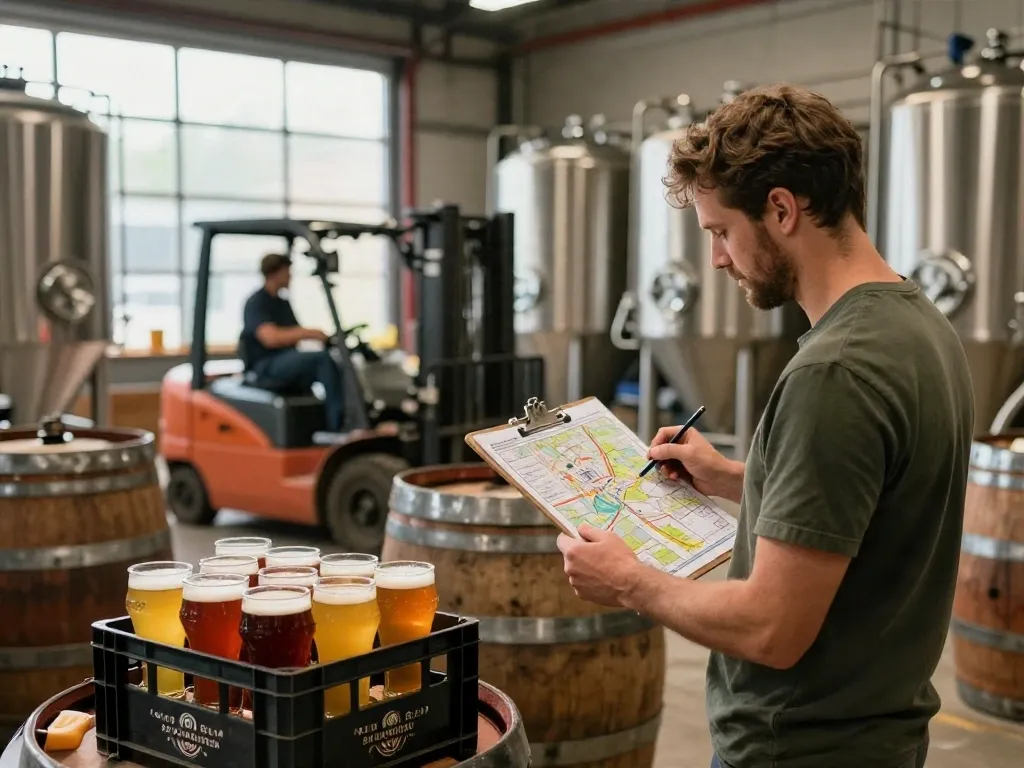
Understanding the Current Landscape of Craft Brewery Distribution
The craft brewery industry has undergone a significant transformation over the past decade, with a marked increase in the number of microbreweries and brewpubs. As of 2022, the Brewers Association reported that there are over 9,200 craft breweries operating in the United States alone, contributing to a booming market valued at around $24 billion. However, with such growth comes a plethora of distribution challenges that craft breweries must navigate to succeed in this competitive environment.
Market Trends Impacting Distribution
One of the most pressing challenges facing craft breweries today is the ever-evolving market trends. The rise of craft beer has led to an expanding array of styles and flavors, which can complicate distribution efforts. For instance, in 2021, the demand for innovative beer styles such as sour ales and IPAs surged, prompting breweries to experiment with new recipes. Consequently, this trend requires breweries to adapt their distribution strategies rapidly to meet shifting consumer preferences.
- Increased Competition: With more breweries entering the market, the competition for shelf space in retail outlets and establishments has intensified. Breweries must develop unique distribution strategies to stand out.
- Market Saturation: In some regions, particularly urban areas, the saturation of craft breweries has made it increasingly difficult for new entrants to secure distributors.
- Consumer Trends: The rise of sustainability and local sourcing has shifted consumer purchasing behaviors, leading many breweries to focus on local distribution channels.
Consumer Preferences and Their Effects
Consumer preferences are a crucial driver of distribution strategies in the craft brewery sector. Today’s consumers are not just looking for quality; they seek authenticity and connection with the brands they support. A 2023 survey revealed that 65% of craft beer drinkers prefer to purchase from local breweries. This shift towards local sourcing has prompted craft breweries to rethink their distribution strategies.
- Local vs. National Distribution: Many craft breweries are finding success by focusing their distribution efforts locally rather than attempting to scale nationally. This allows them to build strong relationships with their customer base.
- Experience Over Product: Consumers are gravitating towards brands that offer unique experiences, prompting breweries to create taprooms that serve as distribution points as well.
Regulatory Changes and Compliance Issues
Regulatory compliance presents a significant hurdle for craft breweries. The alcohol distribution landscape is highly regulated, varying significantly from state to state. For instance, some states require breweries to work with wholesalers to distribute their products, which can create additional layers of complexity.
- Licensing and Permits: Navigating the licensing requirements for distribution can be a daunting task. Breweries must stay informed about local and federal regulations to avoid costly fines.
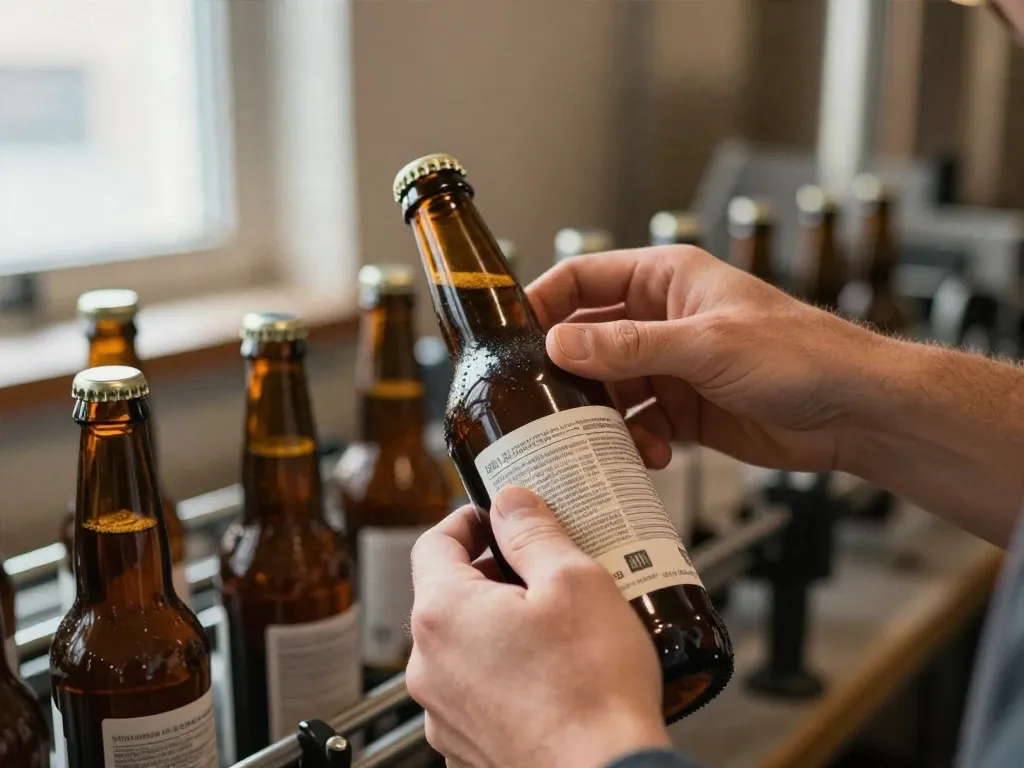
- Labeling Requirements: Compliance with labeling requirements also poses challenges. Craft breweries must ensure that their labels meet both federal and state regulations to avoid distribution delays.
Logistical Challenges in Craft Brewery Distribution
Logistics plays a critical role in the success of craft brewery distribution. From managing supply chains to ensuring timely delivery, breweries face various logistical challenges that can impact their bottom line.
Managing Supply Chain Complexities
For many craft breweries, especially smaller ones, managing the supply chain can be a complex endeavor. The recent global supply chain disruptions due to the COVID-19 pandemic have highlighted vulnerabilities in sourcing raw materials such as hops and malt.
- Raw Material Sourcing: Craft breweries often rely on specific suppliers for quality ingredients. Disruptions can lead to delays in production and ultimately affect distribution timelines.
- Supplier Relationships: Building strong relationships with suppliers is essential. Breweries that can establish reliable partnerships are better positioned to navigate supply chain challenges.
Transportation and Delivery Constraints
Transportation remains a key challenge for craft breweries. The logistics involved in delivering products to retail outlets and consumers can be daunting, especially for smaller breweries that may lack the infrastructure of larger competitors.
- Cost of Transportation: Rising fuel prices and transportation costs can significantly impact profitability. Craft breweries must carefully manage their logistics expenses to maintain a sustainable business model.
- Last-Mile Delivery: Ensuring efficient last-mile delivery is critical. Many breweries are exploring partnerships with local delivery services to enhance efficiency and reach.
Inventory Management for Small Breweries
Effective inventory management is essential for maximizing distribution efficiency. Many small breweries struggle with overstocking or understocking products, which can lead to losses.
- Demand Forecasting: Accurate demand forecasting is crucial. Implementing inventory management software can help breweries predict consumer demand more effectively.
- Seasonal Variations: Understanding seasonal demand fluctuations is vital for breweries. For example, certain beer styles may sell better in summer, requiring breweries to adjust their production and distribution schedules accordingly.
Building Strategic Partnerships for Effective Distribution
To overcome distribution challenges, craft breweries can benefit from building strategic partnerships that enhance their market reach and effectiveness.
Collaborating with Distributors and Wholesalers
Establishing strong relationships with distributors and wholesalers can create significant advantages for craft breweries. These partnerships allow breweries access to established distribution networks that can help them expand their reach.
- Negotiating Terms: Craft breweries should negotiate favorable terms that allow flexibility in pricing and distribution methods.
- Shared Marketing Efforts: Collaborative marketing efforts with distributors can enhance brand visibility and drive sales.
Leveraging Local Businesses for Better Reach
Local businesses, such as restaurants, bars, and retail shops, represent vital distribution channels for craft breweries. By partnering with these establishments, breweries can enhance their visibility and reach.
- Tap Takeovers: Organizing tap takeovers in local bars can showcase a brewery’s offerings while encouraging patrons to try new beers.
- Co-Marketing Initiatives: Collaborating on events with local businesses can drive customer traffic and foster community engagement.
Establishing Direct-to-Consumer Channels
The direct-to-consumer (DTC) model has gained traction in the craft brewery sector, especially during the pandemic. By selling directly to customers, breweries can enhance their profit margins and establish a loyal customer base.
- Online Sales Platforms: Implementing user-friendly online sales platforms can streamline DTC sales. Breweries like BrewDog have successfully utilized online sales to reach consumers beyond their local markets.
- Membership Programs: Offering subscription or membership programs can create a steady revenue stream while fostering brand loyalty.
Marketing Strategies to Enhance Distribution Success
Effective marketing is crucial for overcoming distribution challenges. Craft breweries must adopt innovative strategies to enhance brand awareness and engage consumers.
Brand Awareness and Consumer Engagement
Building brand awareness is essential for attracting and retaining customers. Craft breweries can utilize various marketing strategies to foster engagement.
- Storytelling: Sharing the brewery’s story and values can create emotional connections with consumers. For example, Sierra Nevada Brewing Co. effectively communicates its commitment to sustainability and quality.
- Community Involvement: Participating in local events, festivals, and charity initiatives can enhance visibility and reinforce community ties.
Utilizing Digital Platforms for Promotion
In today’s digital age, leveraging social media and digital marketing platforms is essential for craft breweries to reach a wider audience.
- Social Media Campaigns: Craft breweries can utilize platforms like Instagram and Facebook to showcase new releases, events, and promotions. Engaging content can drive consumer interest and traffic.
- Email Marketing: Building an email list and engaging in targeted email marketing can keep consumers informed about new products and events.
Creating Unique Selling Propositions
To stand out in a crowded market, craft breweries must develop unique selling propositions (USPs) that resonate with consumers. This could include unique flavors, local sourcing, or sustainable practices.
- Innovative Recipes: Breweries that offer unique and limited-edition brews can create buzz and attract customers. For instance, Dogfish Head Brewery’s experimental brews often draw significant attention.
- Local Ingredients: Highlighting the use of local ingredients can appeal to consumers seeking authenticity and sustainability.
Future-Proofing Craft Brewery Distribution Models
As the craft brewery landscape continues to evolve, it is crucial for breweries to future-proof their distribution models to adapt to changing market conditions.
Adapting to Evolving Market Conditions
Craft breweries must remain agile to respond to market fluctuations and consumer preferences. Continuous market research can help identify emerging trends and opportunities.
- Flexibility in Distribution: Developing flexible distribution strategies that can adapt to changes in consumer demand and market conditions is essential for long-term success.
- Monitoring Competitors: Keeping an eye on competitors’ distribution strategies can provide valuable insights into effective practices and potential pitfalls.
Investing in Technology and Automation
Investing in technology and automation can significantly enhance distribution efficiency for craft breweries. From inventory management systems to delivery logistics, technology can streamline operations.
- Inventory Management Software: Utilizing software solutions can help breweries track inventory levels, forecast demand, and minimize waste.
- Automated Delivery Solutions: Exploring automated delivery options can reduce labor costs and enhance delivery efficiency.
Exploring Alternative Distribution Methods
As consumer preferences shift, exploring alternative distribution methods can provide craft breweries with new opportunities to reach their target audience.
- Pop-Up Events: Organizing pop-up events in high-traffic areas can introduce breweries to new customers and create buzz around their products.
- Subscription Boxes: Partnering with subscription box services can expose breweries to new markets and increase consumer engagement.

Comments
No comments yet.
Leave a comment