
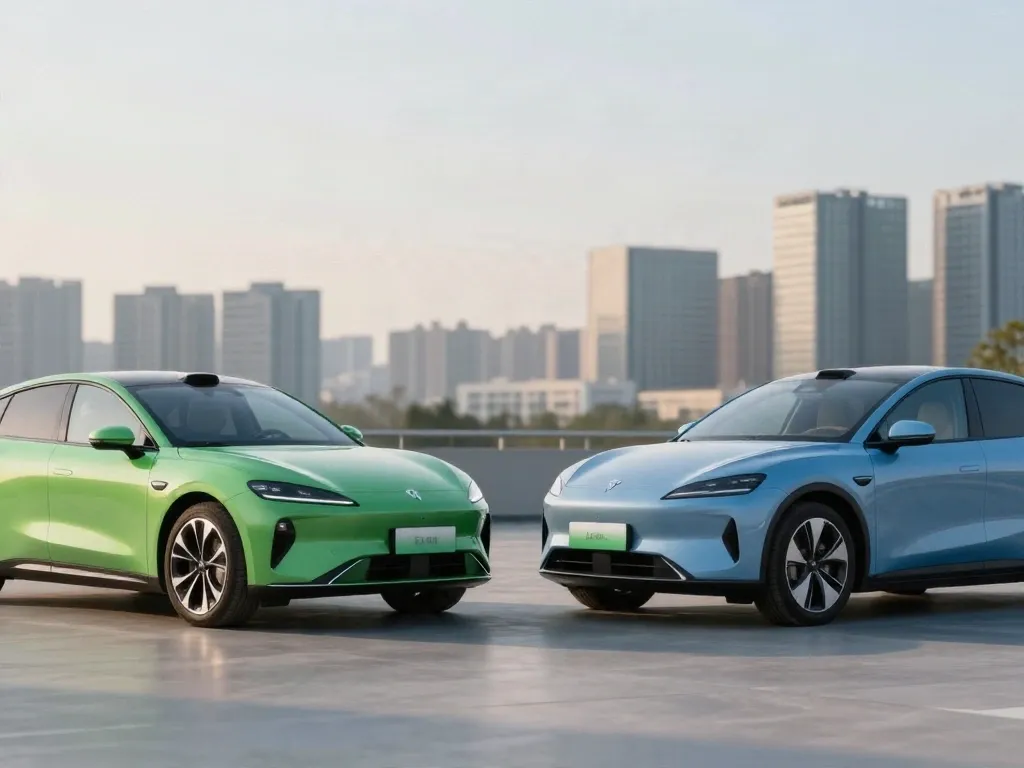
Initial Purchase Price Comparison
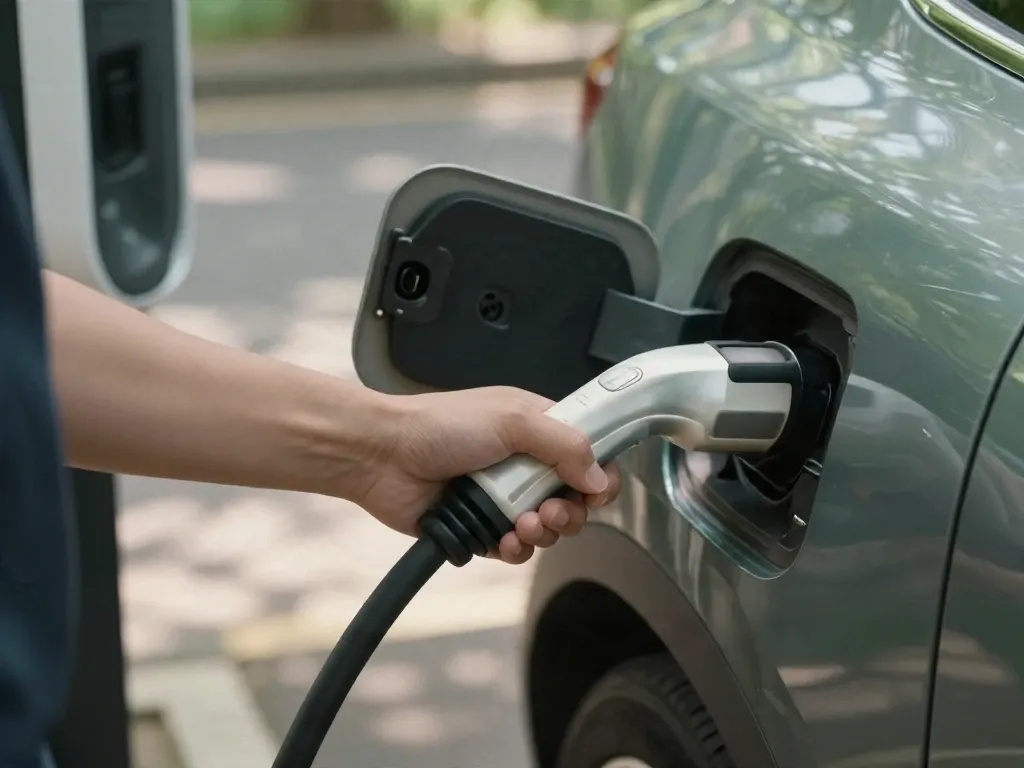
Price Range of Plug-in Hybrids
Plug-in hybrid vehicles (PHEVs) have gained popularity as a versatile alternative to traditional gas-powered vehicles and pure electric vehicles (EVs). The initial purchase price of PHEVs typically ranges from $25,000 to $45,000. For instance, models like the Toyota RAV4 Prime start around $39,000, while the Mitsubishi Outlander PHEV can be found for as low as $36,000.
While PHEVs can often be more affordable than their all-electric counterparts, this can vary significantly based on the model and features. Many PHEVs also offer a range of trim options that can affect the final price, making it essential for buyers to consider their specific needs and budget.
Price Range of Pure Electric Vehicles
The price range for pure electric vehicles varies widely, reflecting the growing diversity in the market. Currently, pure EVs are priced anywhere from $30,000 to over $100,000. For example, the Nissan Leaf starts at approximately $28,000, while luxury models, such as the Tesla Model S, can exceed $100,000.
While the initial cost of pure EVs has been decreasing due to advancements in battery technology, buyers should also keep in mind the potential for higher upfront costs compared to PHEVs, especially when opting for higher-end models.
Government Incentives and Rebates
Government incentives play a crucial role in the overall cost comparison between PHEVs and pure EVs. In the United States, for instance, buyers of new electric and plug-in hybrid vehicles may qualify for federal tax credits of up to $7,500, depending on the battery capacity. Many states also offer additional rebates and incentives that can further reduce the purchase price.
For example, California offers rebates up to $2,500 for eligible EVs and PHEVs through its Clean Vehicle Rebate Project. When factoring in these incentives, the effective purchase price of a PHEV or a pure EV can be significantly lower, making them more financially appealing to potential buyers.
Operating Costs Over Time
Fuel and Charging Costs for Plug-in Hybrids
Plug-in hybrids combine a traditional gasoline engine with an electric motor, allowing for flexible fuel options. The operating costs associated with PHEVs depend largely on driving habits. For example, if a driver predominantly uses electric power, they may only need to charge the vehicle occasionally, leading to lower fuel costs.
In terms of fuel efficiency, many PHEVs achieve around 50 MPGe (miles per gallon equivalent) in electric mode. Assuming an average electricity cost of $0.13 per kWh and a battery capacity of around 18 kWh, charging a PHEV from empty would cost approximately $2.34. Additionally, when using the gasoline engine, the fuel efficiency can drop to around 30 MPG when using gasoline. If a driver travels 12,000 miles a year and uses both electric and gasoline power, the estimated annual fuel cost could be around $1,200.
Charging Costs for Pure Electric Vehicles
Charging costs for pure EVs are considerably lower than PHEVs, primarily because they operate solely on electricity. With an average efficiency of around 4 miles per kWh, a pure EV can be charged for approximately $3.00 to $5.00 for a full charge, depending on the battery size (typically 60 kWh for many popular models). This translates to an annual charging cost of around $500 for an average driver covering 12,000 miles annually.
Moreover, many EV owners use home charging, which provides additional convenience and cost savings, particularly if they charge during off-peak hours when electricity rates are lower.
Maintenance Costs of Both Vehicle Types
Maintenance costs are another critical aspect of operating expenses. Generally, PHEVs require more maintenance than pure EVs due to their internal combustion engines. Oil changes, engine issues, and more complex drivetrains result in higher overall maintenance costs, averaging around $300 to $500 annually for PHEVs.
In contrast, pure EVs tend to have fewer moving parts and require less frequent maintenance. Common maintenance costs for EVs, such as tire rotation and brake checks, can average around $200 to $300 annually. Some manufacturers even offer warranties that cover the battery for up to 8 years or 100,000 miles, which can further reduce long-term costs.
Resale Value and Depreciation
Depreciation Rates for Plug-in Hybrids
Depreciation rates for PHEVs can vary significantly based on the make and model, but on average, PHEVs tend to depreciate at a rate of about 15% to 20% per year. Factors contributing to this depreciation include market demand, battery performance, and advancements in EV technology.
For instance, the BMW i3, a popular PHEV model, has seen depreciation rates closer to 22% within the first three years due to evolving preferences towards fully electric models. As technology improves, older PHEV models may experience faster depreciation.
Depreciation Rates for Pure EVs
Pure electric vehicles generally experience a similar depreciation rate, averaging around 15% to 20% per year. However, some models retain their value better than others. For example, the Tesla Model 3 has shown impressive resale values, often depreciating at a rate closer to 10% per year due to strong brand loyalty and demand.
As the market for used EVs continues to grow, certain models may even appreciate in value, especially those with advanced technology or longer ranges that remain appealing to consumers.
Factors Influencing Resale Value
Several factors influence the resale value of both PHEVs and pure EVs. These include:
- Battery Health: The state of the battery significantly impacts resale value, with well-maintained batteries retaining more value.
- Market Trends: As consumer preferences shift towards sustainability, demand for used EVs is increasing, positively affecting resale values.
- Brand Reputation: Brands known for reliability and innovation, such as Tesla and Toyota, often see higher resale values.
- Technological Advancements: Models equipped with the latest technology and features tend to have better resale values as they remain competitive in the market.
Environmental Impact and Long-term Savings
Emissions Comparison of Both Types
When it comes to environmental impact, pure EVs have a clear advantage over PHEVs. Pure electric vehicles produce zero tailpipe emissions, contributing significantly to reduced air pollution. According to the U.S. Environmental Protection Agency (EPA), PHEVs can emit anywhere from 50 to 75 grams of CO2 per mile, depending on their gasoline usage and driving patterns.
However, PHEVs can still operate in electric-only mode for short trips, reducing emissions during such usage. Both vehicle types benefit from the shift towards renewable energy sources, which can further diminish their overall carbon footprints over time.
Long-term Savings from Lower Fuel Consumption
The long-term savings associated with fuel consumption can be substantial for both types of vehicles, but pure EVs generally yield higher savings due to lower charging costs compared to gasoline prices. For example, with an average gasoline price of $3.50 per gallon, a PHEV driver relying heavily on gasoline may spend around $1,200 annually, while an EV driver could spend only about $500 per year on electricity.
This results in a significant savings difference of approximately $700 annually for EV owners over PHEV drivers, leading to long-term financial benefits, especially as fuel prices fluctuate.
Government Policies and Future Cost Predictions
As governments worldwide continue to promote electric vehicles through subsidies, tax incentives, and infrastructure development, it is expected that the cost of ownership for both PHEVs and pure EVs will continue to decrease. Initiatives aimed at enhancing charging infrastructure and transitioning towards renewable energy sources will further improve the viability of both vehicle types.
Future projections suggest that battery prices will continue to drop, potentially reducing the initial purchase prices of both PHEVs and pure EVs. According to industry analysts, it is anticipated that by 2030, the price gap between these two vehicle types will narrow, making them more accessible to consumers.
Real-world Performance and User Experience
Performance Metrics of Plug-in Hybrids
The performance of plug-in hybrids is often characterized by their dual powertrain capabilities. Many PHEVs can achieve impressive acceleration and a smooth driving experience, with models like the Ford Escape PHEV offering a 0-60 mph time of around 7.7 seconds. This versatility allows drivers to seamlessly transition between electric and gasoline power depending on the driving conditions.
Additionally, PHEVs often provide an all-electric range of around 20 to 40 miles, making them suitable for daily commuting without relying heavily on gasoline.
Performance Metrics of Pure Electric Vehicles
Pure EVs are renowned for their remarkable torque and acceleration. For instance, the Tesla Model 3 can accelerate from 0-60 mph in as little as 3.1 seconds in its Performance variant. The instant torque provided by electric motors enhances the overall driving experience, making pure EVs both fun and efficient.
Additionally, advancements in battery technology have allowed for longer ranges, with many models now offering over 250 miles on a single charge, reducing range anxiety for drivers.
User Satisfaction and Cost Per Experience
User satisfaction plays a significant role in the cost comparison between PHEVs and pure EVs. Many EV owners report higher satisfaction levels due to lower operating costs, fewer maintenance issues, and the environmental benefits associated with driving electric. According to a survey conducted by Consumer Reports, over 90% of EV owners express satisfaction with their vehicles.
In contrast, PHEV owners may experience mixed feelings due to the dual nature of their vehicles. While they enjoy the flexibility of both electric and gasoline power, the maintenance costs and complexity of the powertrain may detract from the overall satisfaction. Ultimately, the cost per experience can vary significantly based on individual preferences and driving habits.



Comments
No comments yet.
Leave a comment