
The Cost Structure of Stadium Concert Tours
Production Expenses
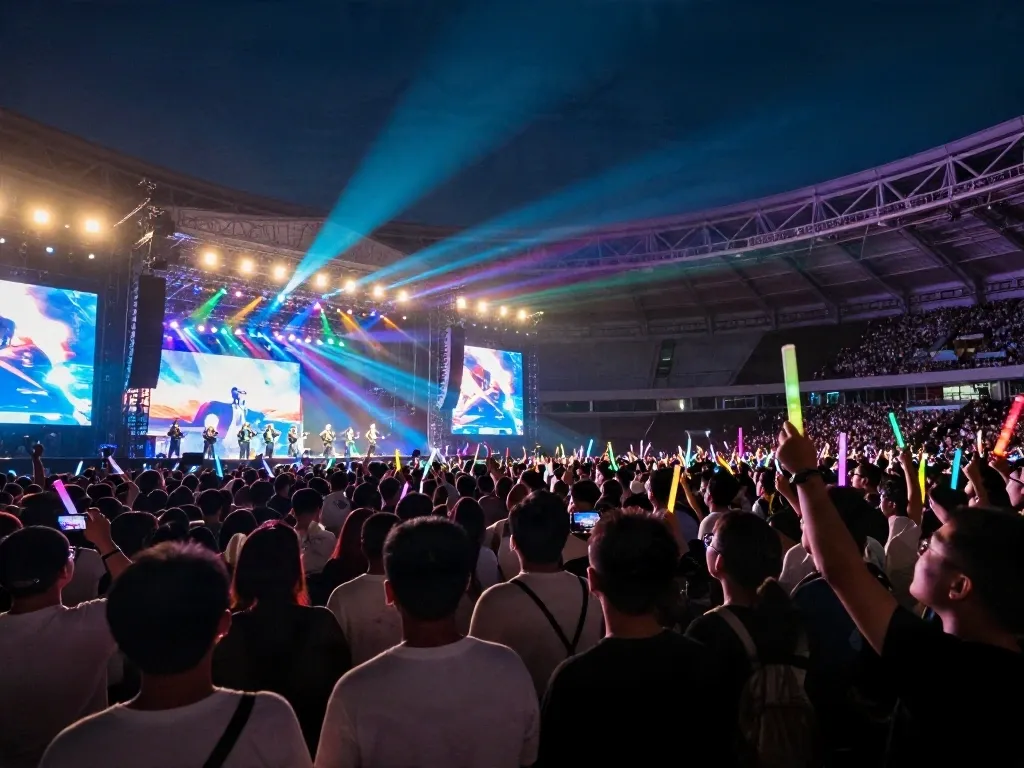
Stadium concert tours are renowned for their extravagant production values. The cost structure begins with production expenses, which can range from $500,000 to over $10 million depending on the scale of the event. These expenses include stage design, lighting, sound systems, and special effects. For instance, Taylor Swift's "Reputation Stadium Tour" had reported production costs exceeding $10 million, showcasing the elaborate staging and technology required for a modern concert experience.
- Stage Design: Custom-built stages can cost anywhere from $200,000 to $5 million. The design often incorporates intricate elements like moving parts, LED screens, and pyrotechnics.
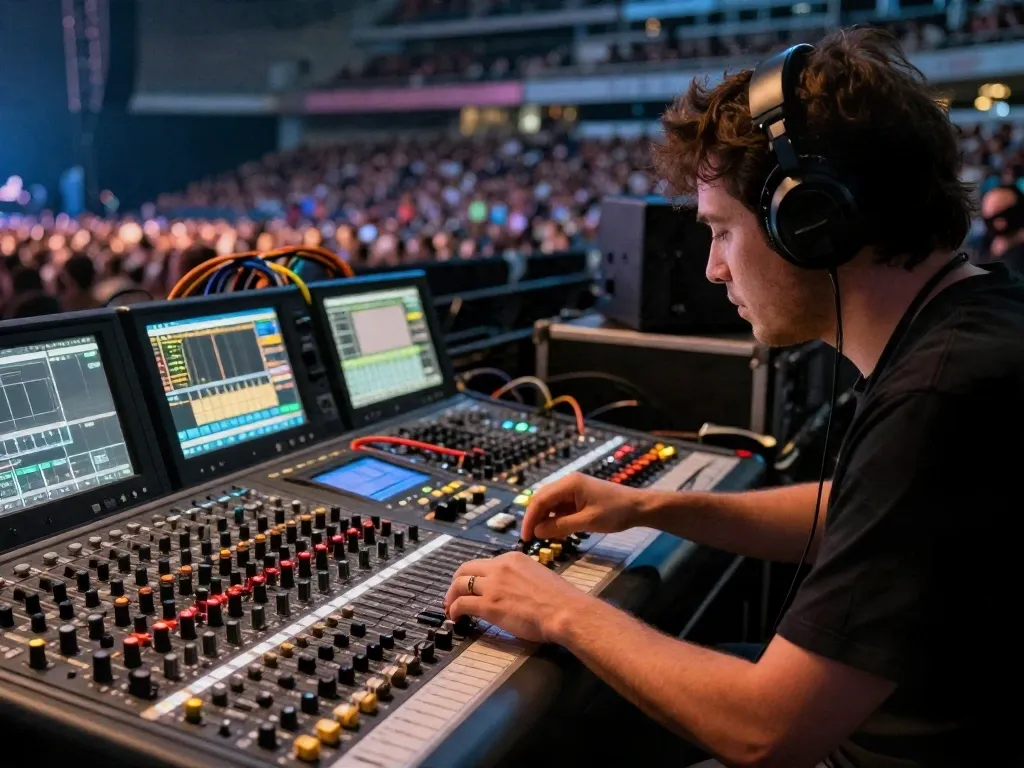
- Lighting and Sound: Advanced sound systems and lighting setups can cost between $300,000 and $1 million. This includes high-end equipment rentals and technicians.
- Special Effects: Fireworks, lasers, and other special effects can add another $100,000 to $1 million to the budget, depending on the complexity and safety requirements.
Logistics and Transportation Costs
Logistics and transportation are crucial components of any stadium tour. These costs include transporting equipment, staging materials, and personnel from city to city. Depending on the number of tour stops, logistics can easily add between $100,000 to $2 million to the overall tour budget.
- Transportation of Equipment: Moving sound systems, lighting rigs, and stage setups often requires multiple trucks. A single tour can involve 10-15 trucks, costing about $1,000 per truck per day.
- Travel Arrangements for Crew: Flights, hotels, and meals for crew members can amount to $50,000 to $500,000 depending on the length of the tour and size of the crew.
Staffing and Labor Requirements
The workforce behind a stadium concert is extensive. From technical crews to security personnel, the labor requirements can significantly impact the bottom line. Staffing costs can range from $100,000 to $2 million for larger tours.
- Technical Crew: Sound engineers, lighting technicians, and stagehands typically require a combined budget of $50,000 to $500,000 depending on the tour size.
- Security: Ensuring audience safety is paramount, requiring a security team that can cost around $30,000 to $200,000 for a single concert.
- Management and Administrative Staff: Tour managers, booking agents, and other administrative personnel also contribute to costs, usually amounting to $20,000 to $100,000.
Revenue Streams for Artists and Promoters
Ticket Sales and Pricing Strategies
Ticket sales are the primary revenue source for stadium concert tours. However, the pricing strategies employed can significantly influence total earnings. Prices can range from $20 to over $500 per ticket, depending on artist popularity and venue location. For instance, the average ticket price for Ed Sheeran's "Divide Tour" was around $100, contributing over $400 million in gross revenue globally.
- Dynamic Pricing: Many artists now utilize dynamic pricing strategies, adjusting ticket prices based on demand, which can maximize revenue during peak sales periods.
- VIP Packages: Offering exclusive experiences—such as meet-and-greets or premium seating—can elevate ticket prices significantly, sometimes exceeding $1,000.
Merchandising Opportunities
Merchandising is another lucrative revenue stream. Concert merchandise, such as T-shirts, posters, and vinyl records, can generate substantial income. On average, merchandise sales can account for 10-30% of total concert revenue.
- Typical Sales: A well-attended concert can yield $50,000 to $200,000 in merchandise sales alone, with popular items often selling out.
- Online Sales: Many artists also sell merchandise online, increasing accessibility and profitability post-concert.
Corporate Sponsorship and Partnerships
Corporate sponsorship plays a vital role in financing concert tours. Brands seek partnerships to promote their products, which can lead to substantial financial backing. Sponsorship deals can range from $50,000 to several million dollars depending on the artist’s popularity and the brand's marketing strategy.
- Product Placement: Brands often gain visibility through product placements during concerts, enhancing their market reach.
- Promotional Events: Corporations may host promotional events or contests, providing additional revenue streams for artists and promoters.
The Role of Venue Selection in Financial Success
Capacity and Ticket Scalability
Venue selection is critical for maximizing revenue. Larger stadiums can accommodate more fans, directly impacting ticket sales. For instance, a stadium with a capacity of 60,000 can yield gross revenues exceeding $6 million if tickets are priced at an average of $100.
- Scalability: Venues with flexible seating arrangements allow for scalability; artists can adjust ticket prices based on demand.
Location and Market Demand
The location of a concert can greatly influence ticket sales. Urban areas with higher population densities typically generate more demand, translating to higher sales.
- Market Research: Artists and promoters often conduct extensive market research to identify cities with the highest potential attendance, thus optimizing tour routes.
Venue Amenities and Infrastructure
Venues with modern amenities and infrastructure can enhance the concert experience, leading to higher ticket sales and additional revenue opportunities.
- Parking and Accessibility: Venues that offer ample parking and are easily accessible attract larger crowds.
- Concessions: High-quality food and beverage options can also enhance the concert experience, generating additional revenue through concessions.
Economic Impact on Local Communities
Job Creation and Employment Opportunities
Stadium concert tours often lead to job creation within local communities. Temporary employment opportunities arise in various sectors, including security, hospitality, and transportation.
- Temporary Jobs: A large-scale concert can create hundreds of temporary jobs, providing a boost to the local economy.
Increased Local Business Revenue
Concert tours can significantly increase revenue for local businesses, including hotels, restaurants, and retail shops. For example, a single concert can lead to a 30% increase in business for surrounding establishments.
Long-term Economic Benefits vs. Short-term Gains
While the immediate economic impact of a concert tour is often significant, the long-term benefits can vary. Frequent concerts can establish a venue as a cultural hub, leading to sustained economic growth.
- Community Engagement: Regular concerts can foster community engagement, attracting tourists and residents alike.
- Reputation Building: Successful events can enhance the reputation of a city as a destination for entertainment, leading to future business opportunities.
Financial Risks and Challenges in the Concert Tour Industry
Variable Costs and Unforeseen Expenses
Despite the potential for high revenues, the concert industry is fraught with financial risks. Variable costs and unforeseen expenses can quickly escalate, impacting profitability.
- Weather Delays: Outdoor concerts face risks from adverse weather conditions, which can lead to cancellations or rescheduling, resulting in lost revenue.
- Equipment Failures: Technical malfunctions can necessitate costly repairs or replacements, further straining budgets.
Market Saturation and Competition
The concert industry is highly competitive, with numerous artists vying for audience attention. Market saturation can lead to diminished ticket sales and lower profit margins.
- Strategic Planning: Artists and promoters must strategically plan tours to avoid overlapping dates or competition with major events.
Impact of Economic Downturns on Attendance
Economic downturns can significantly impact concert attendance. During recessions, disposable income often declines, leading to reduced ticket sales.
- Market Analysis: Monitoring economic indicators can help artists and promoters anticipate potential declines in attendance and adjust pricing or marketing strategies accordingly.
Comments
No comments yet.
Leave a comment