
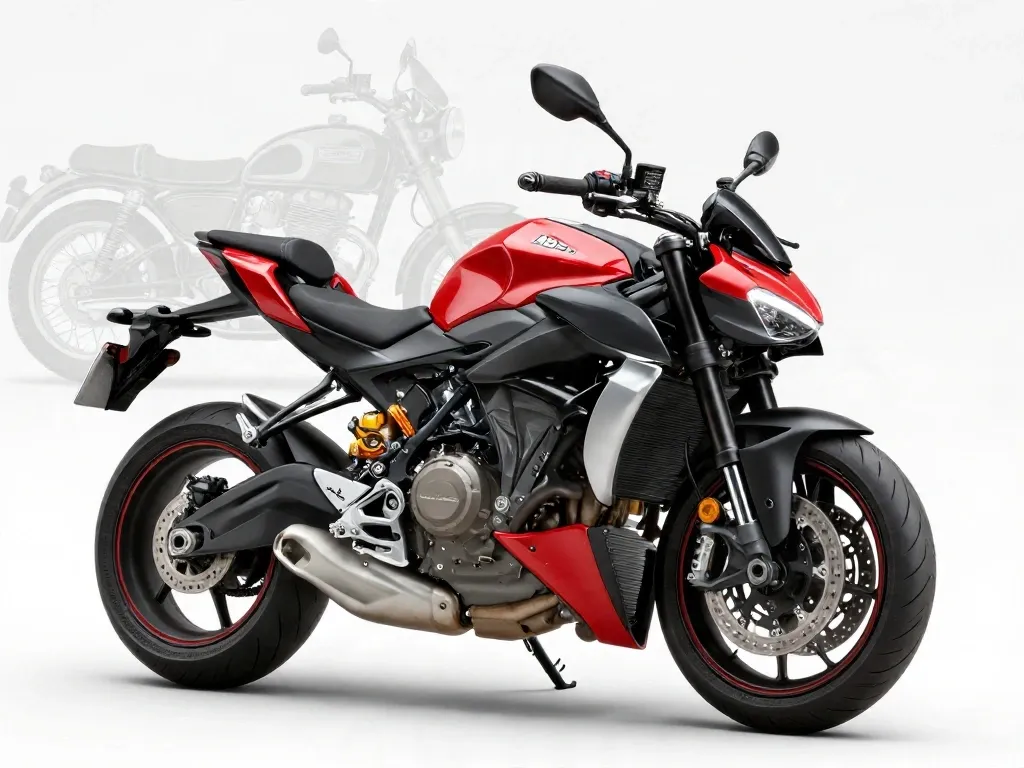
The Origins of Motorcycle ABS Regulations
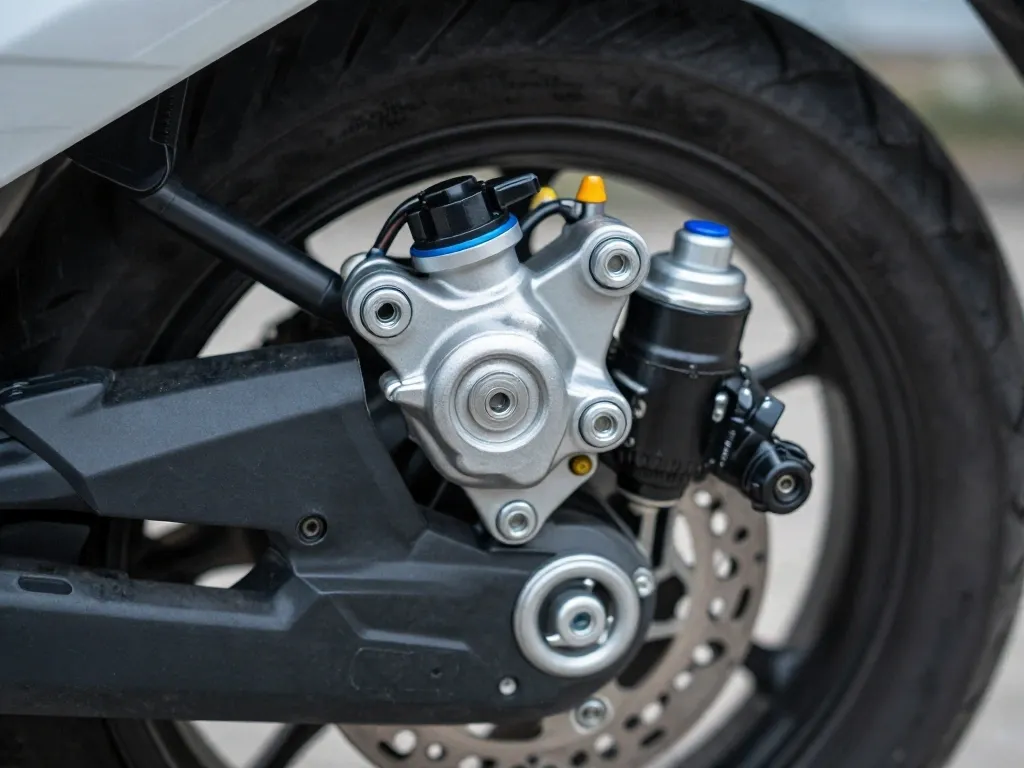
Early Safety Standards and Their Impact
The journey towards motorcycle Anti-lock Braking Systems (ABS) regulation began with a focus on overall vehicle safety standards. In the late 20th century, as motorcycles gained popularity, the need for safety measures became increasingly apparent. The growing number of motorcycle-related accidents prompted various regulatory bodies to develop safety standards aimed at reducing fatalities and injuries.
In the early 1980s, the European Economic Community (EEC) began discussing the necessity for enhanced motorcycle safety. This led to the creation of directives that focused on motorcycle braking performance. The introduction of basic regulations aimed to ensure that motorcycles could achieve effective stopping power without compromising stability during braking.
Initial Development of ABS Technology
The development of ABS technology can be traced back to the automotive industry in the 1970s, where it was initially designed to prevent wheel lock-up during braking, thereby maintaining vehicle control. By the late 1980s, manufacturers began adapting this technology for motorcycles. The first motorcycle ABS was introduced by BMW in 1988, a significant advancement that laid the groundwork for future regulations.
The technology utilized hydraulic systems and electronic sensors to monitor wheel speed, allowing for automatic modulation of brake pressure. This innovation demonstrated the potential to enhance rider safety significantly, prompting regulatory discussions on the necessity of ABS as a standard feature in motorcycles.
Regulatory Bodies and Their Roles
Various regulatory bodies have played critical roles in establishing and enforcing motorcycle ABS regulations. In Europe, the European Commission has been at the forefront, introducing directives that necessitate the incorporation of advanced braking systems in new motorcycle models. The United Nations Economic Commission for Europe (UNECE) also contributes by setting international standards that member countries adopt.
In North America, the National Highway Traffic Safety Administration (NHTSA) has been instrumental in shaping regulations that govern motorcycle safety, including ABS implementation. These bodies collaborate with manufacturers and safety organizations to ensure that regulations keep pace with technological advancements and industry standards.
Key Milestones in ABS Regulation Implementation
Introduction of ABS in European Markets
The European market saw the formal introduction of ABS regulations in the early 2000s. In 2002, the EEC mandated that all new motorcycles above 125cc must be equipped with ABS or Combined Braking Systems (CBS). This regulation was a pivotal moment in motorcycle safety, resulting in a significant increase in the adoption of ABS across manufacturers.
By 2016, the European Union took another step forward by implementing Regulation (EU) 168/2013, which required new models to be equipped with ABS. This regulation not only applied to higher displacement motorcycles but also extended to scooters and smaller displacements, showcasing a comprehensive approach to enhancing motorcycle safety across all categories.
North American Regulatory Changes
In North America, the journey towards ABS regulations has been more gradual. Initially, the NHTSA did not mandate ABS for motorcycles, but as the technology proved effective in reducing accidents, discussions began to emerge around regulatory changes. In 2013, the NHTSA proposed a rule which would encourage the use of advanced braking systems, aligning with the safety standards set forth in Europe.
As of 2020, while ABS is not universally mandated in all states, there has been a marked increase in consumer awareness and demand for motorcycles equipped with ABS. Major manufacturers like Harley-Davidson and Honda have made ABS a standard feature across their models, reflecting a shift in market trends driven by consumer safety expectations.
Global Adoption Trends and Variations
Globally, the adoption of motorcycle ABS has seen variations based on regional regulations and consumer preferences. Countries such as Japan and Australia have followed Europe’s lead by incorporating ABS regulations into their vehicle safety standards. For instance, Japan's Ministry of Land, Infrastructure, Transport and Tourism has set guidelines that encourage ABS use in motorcycles, particularly for new models.
In contrast, certain developing countries have yet to adopt stringent ABS regulations, reflecting economic considerations and differing safety priorities. However, as global awareness of motorcycle safety increases, many of these countries are beginning to explore the feasibility of implementing similar regulations.
Technological Advancements Influencing Regulations
Integration of Advanced Sensors and Control Systems
Technological advancements have played a significant role in shaping regulations surrounding motorcycle ABS systems. The integration of advanced sensors, such as wheel speed sensors and inertial measurement units, has enhanced the functionality of ABS, allowing for more precise control during braking. These systems can monitor and adjust brake pressure in real-time, optimizing performance based on road conditions and rider behavior.
As these technologies evolve, regulatory bodies have begun to adapt existing standards to incorporate these innovations. For example, the development of cornering ABS, which adjusts braking force during turns, has led to discussions on how current regulations can be updated to include performance criteria for these advanced systems.
Impact of Electronic Stability Control on ABS Standards
The advent of Electronic Stability Control (ESC) has further influenced the regulatory landscape for motorcycle ABS systems. ESC works in conjunction with ABS to provide enhanced stability during emergency braking situations. Regulations are beginning to recognize the importance of integrating these systems, with the European Union’s regulations now suggesting that motorcycles equipped with ABS should also consider incorporating ESC for improved rider safety.
As manufacturers increasingly implement these technologies, regulators are tasked with ensuring that standards keep pace, leading to a potential overhaul of existing ABS regulations to include specifications for ESC performance.
Data Sharing and Connectivity in Modern Systems
The rise of connectivity in modern motorcycle systems has opened new avenues for improving safety through data sharing. Manufacturers are now exploring connected ABS systems that can communicate with other vehicles and infrastructure, providing real-time data on road conditions, traffic, and potential hazards.
Regulatory bodies are beginning to recognize the importance of these connected systems, leading to discussions around the necessity of incorporating connectivity standards into ABS regulations. As these technologies continue to evolve, they hold the potential to significantly enhance motorcyclist safety and influence future regulatory frameworks.
Current Regulatory Frameworks Governing ABS Systems
Overview of Current European Regulations
As of 2023, European regulations governing motorcycle ABS systems are among the most comprehensive in the world. The EU Regulation (EU) 168/2013 mandates that all new motorcycles must be equipped with ABS or CBS, with specific performance criteria established for each system. The regulations also include stringent testing procedures to ensure compliance with safety standards.
Additionally, the EU has been proactive in updating these regulations to accommodate emerging technologies, such as cornering ABS and ESC. This adaptability ensures that safety standards remain relevant in light of rapid technological advancements.
North American Standards and Compliance Challenges
In North America, while ABS is not mandated across all states, the NHTSA has established guidelines that encourage manufacturers to equip new motorcycles with advanced braking systems. The lack of a federal mandate has resulted in a patchwork of regulations, with some states adopting stricter requirements than others.
Compliance challenges persist, particularly for manufacturers who must navigate varying state laws while attempting to standardize production. However, the growing trend towards consumer preference for ABS-equipped motorcycles is prompting manufacturers to prioritize compliance with the most stringent safety standards.
Future Directions in Global Regulatory Practices
As motorcycle technology continues to evolve, regulatory bodies worldwide are facing the challenge of keeping pace with advancements in safety systems. The future of ABS regulations will likely see a greater emphasis on integrating new technologies, such as connectivity and data analytics, into existing frameworks.
Moreover, the push for global harmonization of safety standards is gaining momentum. Organizations like the UNECE are striving to create unified regulations that can be adopted by member countries, which could lead to a more consistent approach to motorcycle ABS regulation worldwide.
Future Trends in Motorcycle ABS Regulations
Emerging Technologies and Their Regulatory Implications
Emerging technologies, such as artificial intelligence and machine learning, are expected to play a significant role in the future of motorcycle ABS regulations. These technologies can enhance the predictive capabilities of braking systems, allowing for real-time adjustments based on environmental conditions and rider behavior.
As these innovations become more prevalent, regulatory bodies will need to establish guidelines that ensure these systems operate safely and effectively. This may include developing performance benchmarks and testing protocols for new technologies, ensuring that safety remains the primary focus of motorcycle ABS regulations.
The Role of Environmental Standards in ABS Development
As concerns about environmental sustainability grow, the role of environmental standards in ABS development is becoming increasingly significant. Regulatory bodies are beginning to consider the environmental impact of manufacturing and operating motorcycles equipped with ABS.
Future regulations may address these concerns by encouraging the development of more environmentally friendly ABS technologies, such as those that reduce energy consumption or utilize sustainable materials. This shift towards sustainability in motorcycle design will likely influence the evolution of ABS regulations in the coming years.
Potential for Harmonization of Global Standards
The potential for harmonization of global standards for motorcycle ABS systems is a critical trend that could reshape regulatory practices. As manufacturers operate in a global market, the need for consistent safety standards across regions becomes paramount.
Efforts by international organizations to establish unified regulations could simplify compliance for manufacturers and enhance safety for riders worldwide. This harmonization may also facilitate the sharing of best practices and technological advancements across borders, ultimately leading to improved motorcycle safety standards globally.



Comments
No comments yet.
Leave a comment