
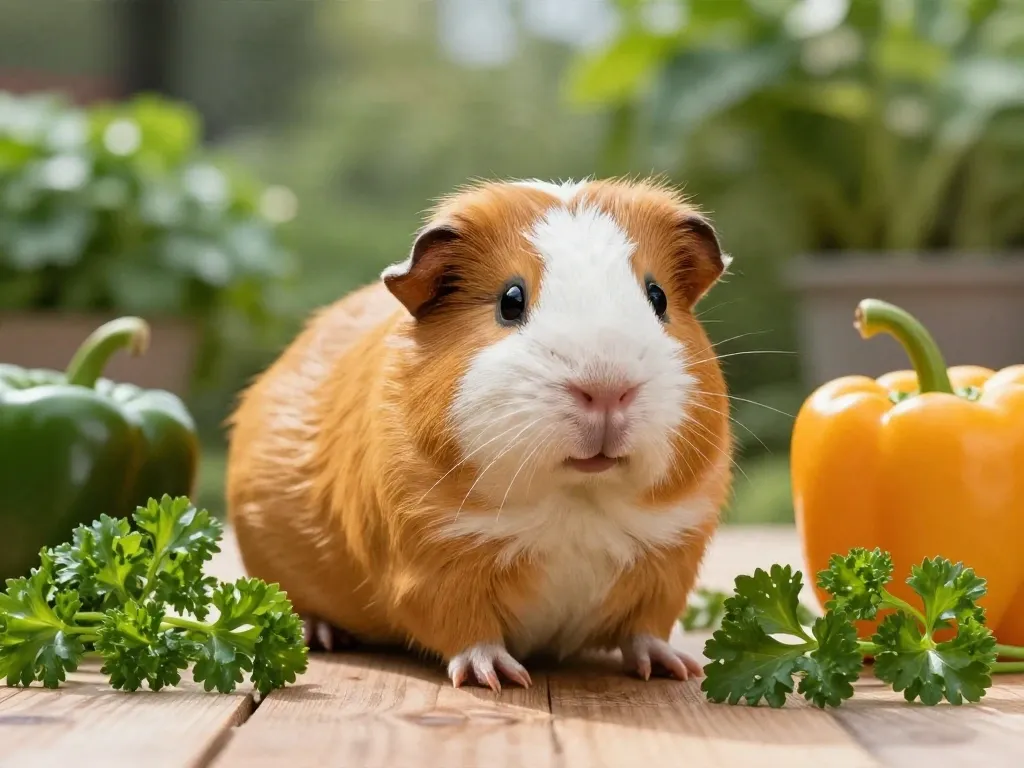
The Importance of Vitamin C for Guinea Pigs
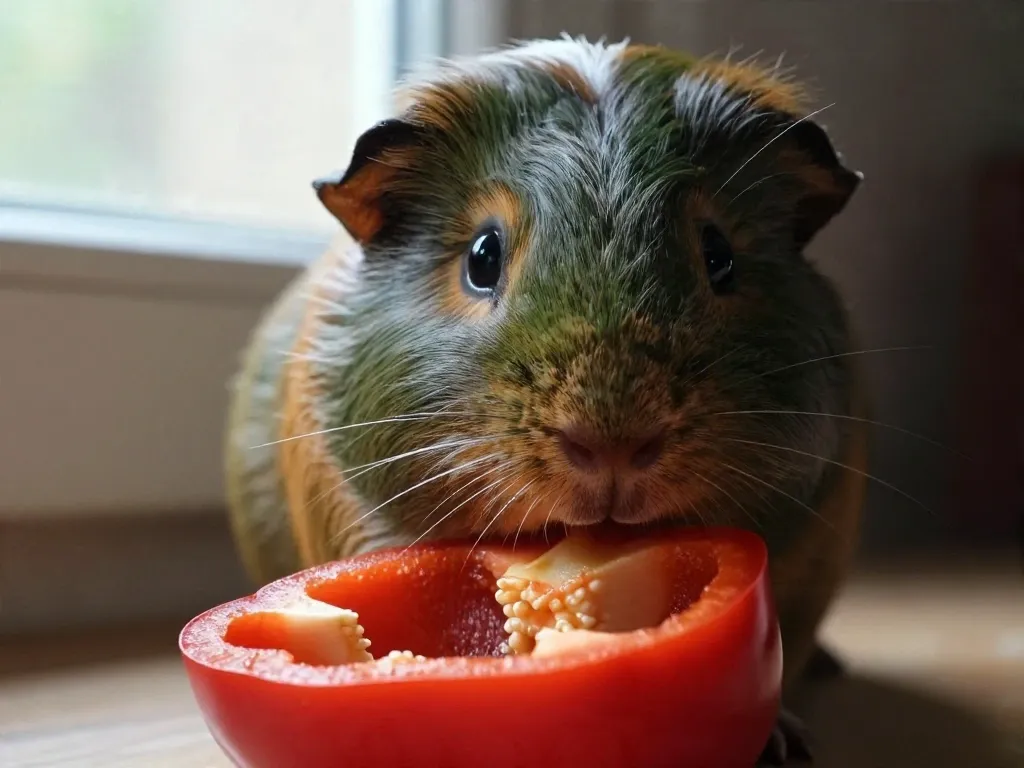
Why Guinea Pigs Can't Synthesize Vitamin C
Guinea pigs, like humans, are among the few mammals that lack the ability to synthesize vitamin C endogenously. This deficiency stems from a mutation in the gene responsible for producing the enzyme L-gulonolactone oxidase, which is crucial in the biosynthesis of ascorbic acid (vitamin C). Consequently, guinea pigs must obtain this essential nutrient from their diet.
The Role of Vitamin C in Guinea Pig Health
Vitamin C plays a pivotal role in various physiological processes in guinea pigs. It is vital for:
- Collagen Synthesis: Vitamin C is essential for collagen production, which is necessary for the health of skin, cartilage, tendons, ligaments, and blood vessels.
- Immune Function: Adequate levels of vitamin C enhance the immune response, helping guinea pigs resist infections and diseases.
- Antioxidant Protection: It acts as a powerful antioxidant, protecting cells from oxidative stress and damage caused by free radicals.
- Iron Absorption: Vitamin C improves the absorption of non-heme iron, which is particularly important for preventing anemia.
Consequences of Vitamin C Deficiency
A deficiency in vitamin C can lead to several serious health issues in guinea pigs, including:
- Scurvy: The most well-known consequence of vitamin C deficiency, scurvy is characterized by symptoms such as lethargy, weight loss, joint pain, and skin lesions. It can be fatal if left untreated.
- Dental Problems: Insufficient vitamin C can lead to gum disease and tooth decay, as collagen is essential for maintaining healthy gums and teeth.
- Impaired Immune Response: A lack of vitamin C can compromise the immune system, making guinea pigs more susceptible to infections.
- Bone Issues: Due to its role in collagen synthesis, a deficiency can lead to skeletal weaknesses, resulting in fractures and other bone-related problems.
Daily Vitamin C Requirements for Guinea Pigs
Recommended Daily Intake Based on Weight
The recommended daily intake of vitamin C for guinea pigs varies based on their weight:
- Under 1 kg: Approximately 30 mg per day.
- 1 to 2 kg: Approximately 50 mg per day.
- Over 2 kg: Approximately 70 mg per day.
These values may fluctuate based on factors such as age, health status, and reproductive status, with pregnant or nursing females requiring higher amounts.
Factors Influencing Vitamin C Needs
Several factors can influence the vitamin C requirements of guinea pigs, including:
- Age: Young guinea pigs and those in growth phases may require more vitamin C to support their developing bodies.
- Health Status: Sick or stressed guinea pigs may have heightened vitamin C needs to support their immune systems.
- Diet Composition: The presence of other nutrients, such as fiber and iron, can affect how much vitamin C is needed.
Signs of Overdose and Underconsumption
While vitamin C is generally safe, excessive intake can lead to health issues. Signs of vitamin C overdose in guinea pigs may include:
- Diarrhea: An increase in vitamin C can cause gastrointestinal upset.
- Kidney Stress: High levels of vitamin C may lead to kidney issues over time due to excess excretion.
On the other hand, signs of underconsumption include:
- Weight Loss: An inability to maintain healthy weight can indicate insufficient vitamin C.
- Weakness and Lethargy: A lack of energy can signal a deficiency.
- Dental Issues: Observing gum problems or dental decay may suggest inadequate vitamin C intake.
Natural Sources of Vitamin C for Guinea Pigs
Fresh Vegetables and Their Vitamin C Content
Guinea pigs can obtain their vitamin C from various fresh vegetables, which offer not only the nutrient itself but also additional fiber and hydration. Some excellent sources include:
- Bell Peppers: Particularly red and yellow varieties, which contain about 100 to 200 mg of vitamin C per 100 grams.
- Kale: Provides approximately 120 mg of vitamin C per 100 grams.
- Broccoli: Contains around 90 mg of vitamin C per 100 grams.
- Spinach: Offers about 30 mg of vitamin C per 100 grams.
Fruits: A Treat or a Staple?
Fruits can be a delightful treat for guinea pigs, offering vitamin C along with natural sugars. However, they should only be provided in moderation to prevent obesity. Some fruits high in vitamin C include:
- Strawberries: Approximately 60 mg of vitamin C per 100 grams.
- Kiwi: Contains about 90 mg of vitamin C per 100 grams.
- Oranges: Offers about 50 mg of vitamin C per 100 grams.
Fruits should be given sparingly, as high sugar content can lead to health issues if consumed excessively.
Commercial Supplements: Pros and Cons
Commercial vitamin C supplements are available in various forms, including tablets, powders, and drops. While they can be convenient and effective in ensuring adequate intake, they come with pros and cons:
- Pros:Easy to administer and calculate dosage.
- Consistent vitamin C levels can be maintained.
- Useful for guinea pigs with specific dietary restrictions.
Cons:
- Some supplements may contain artificial additives.
- Over-reliance on supplements may lead to neglecting a balanced diet.
- Potential for digestive upset if not introduced gradually.
Feeding Strategies to Meet Vitamin C Needs
Daily Diet Composition for Optimal Intake
To ensure guinea pigs receive adequate vitamin C, a balanced daily diet should include a variety of fresh vegetables, limited fruits, and high-quality hay. A typical daily diet could consist of:
- 1 cup of mixed leafy greens (such as romaine lettuce, kale, and parsley).
- 1-2 slices of bell pepper (red or yellow).
- 1 small serving of fruits (such as a slice of strawberry or kiwi).
- Unlimited access to hay (timothy or orchard grass) to support digestive health.
Timing and Frequency of Vitamin C Intake
Guinea pigs benefit from regular, consistent intake of vitamin C. It is advisable to provide fresh vegetables rich in vitamin C twice daily to ensure they receive this essential nutrient. Avoid storing cut vegetables for extended periods, as vitamin C degrades quickly when exposed to air and light.
Combining Foods for Enhanced Nutritional Value
Combining different sources of vitamin C can enhance the overall nutritional value of a guinea pig’s diet. For example:
- Mixing bell peppers with leafy greens can create a crunchy salad that is visually appealing and nutritious.
- Adding a small amount of grated carrot to a vegetable mix can provide additional fiber and nutrients alongside vitamin C.
Experimenting with different combinations can keep mealtime interesting for your pet while ensuring they receive all necessary nutrients.
Monitoring and Adjusting Vitamin C Intake
Regular Health Check-Ups for Vitamin C Levels
Routine veterinary check-ups are crucial for monitoring a guinea pig's health, including their vitamin C levels. Your veterinarian can perform blood tests to assess vitamin C status and recommend dietary adjustments based on individual needs.
Adjustments During Illness or Stress
During times of illness or stress, a guinea pig's requirement for vitamin C may increase. Close observation of your pet’s behavior, appetite, and weight is essential. If you notice any signs of distress or illness, consult your veterinarian for potential dietary changes or supplementation to meet their heightened needs.
Tracking Dietary Changes Over Time
Keeping a log of your guinea pig’s diet can help you track their vitamin C intake and adjust as needed. Note any changes in their health, behavior, or weight in relation to dietary modifications. This proactive approach will not only help in meeting their nutritional needs but also in preventing deficiencies or excesses over time.



Comments
No comments yet.
Leave a comment