
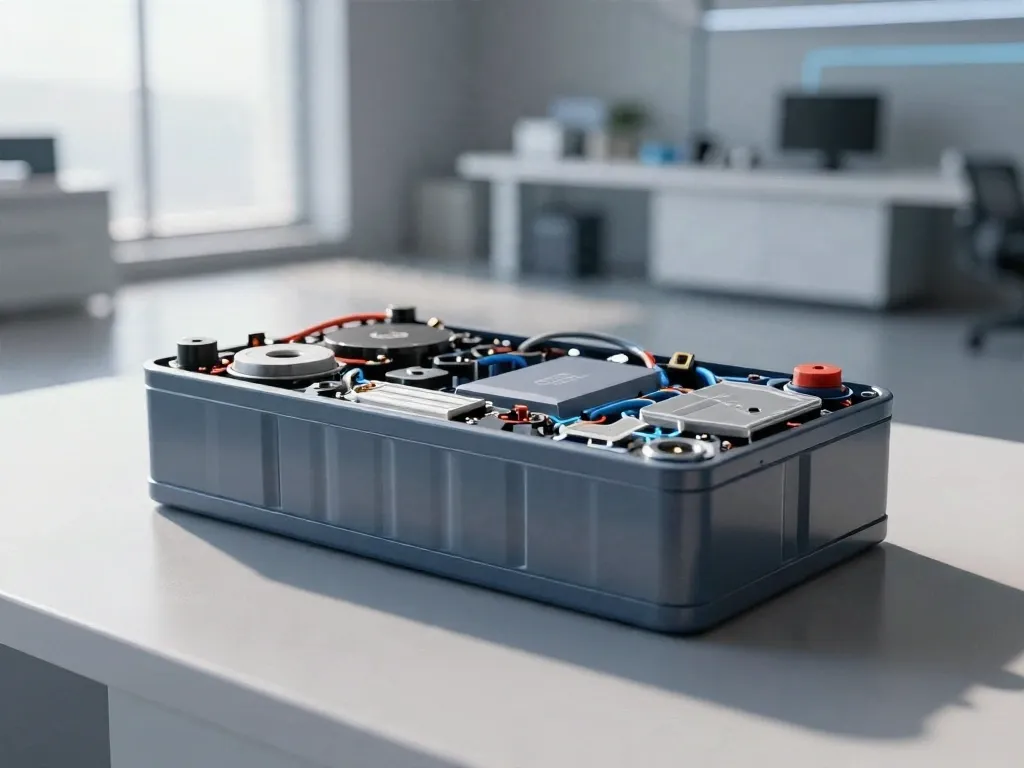
The Chemistry Behind EV Battery Degradation
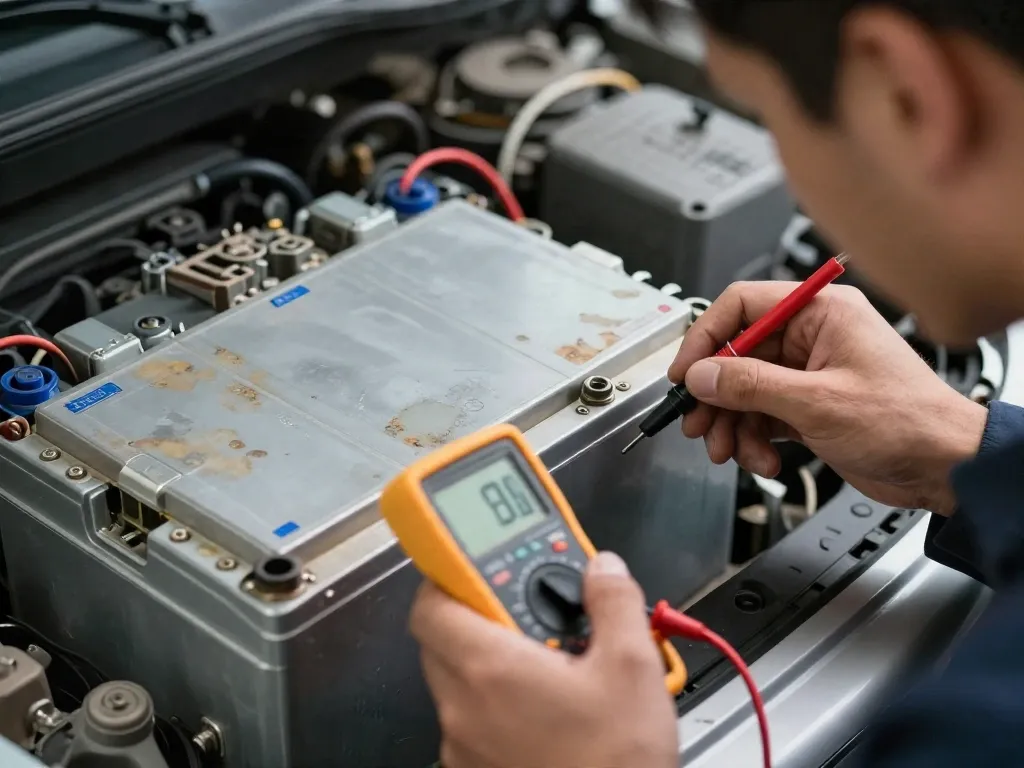
Understanding Lithium-Ion Battery Components
The majority of electric vehicles (EVs) utilize lithium-ion (Li-ion) batteries due to their high energy density and efficiency. A typical Li-ion battery consists of several key components: an anode, a cathode, an electrolyte, and a separator. The anode is usually made of graphite, while the cathode is often composed of lithium metal oxides such as lithium iron phosphate (LiFePO4) or lithium nickel manganese cobalt oxide (NMC).
During charging and discharging cycles, lithium ions move back and forth between the anode and cathode through the electrolyte. Over time, this movement contributes to physical and chemical changes within the battery, leading to degradation.
Electrochemical Reactions and Their Impact
Electrochemical reactions in Li-ion batteries are fundamental to energy storage and release. During charging, lithium ions are intercalated into the anode, while electrons flow through the external circuit. Upon discharging, these ions move back to the cathode, releasing energy. However, side reactions occur that can degrade the battery materials.
- Solid Electrolyte Interface (SEI) Formation: The SEI layer forms on the anode during initial cycles, which is essential for battery function but can grow thicker over time, increasing resistance.
- Electrolyte Decomposition: High voltages can lead to the breakdown of the electrolyte, producing gases that increase internal pressure and can cause swelling.
- Transition Metal Dissolution: In cathodes, transition metals like nickel and cobalt can dissolve into the electrolyte, leading to capacity fade.
Role of Temperature in Battery Chemistry
Temperature plays a significant role in the electrochemical reactions within a Li-ion battery. High temperatures can accelerate degradation processes, such as electrolyte decomposition and SEI growth, while low temperatures can reduce the battery's ability to deliver power effectively. A study by the U.S. Department of Energy found that for every 10°C increase in temperature, the rate of capacity fade could double. Maintaining optimal temperature ranges is crucial for extending battery life.
Stages of Battery Degradation Over Time
Initial Capacity Loss in New Batteries
New EV batteries typically experience a phenomenon known as 'first cycle loss.' This initial capacity loss, which can range from 5% to 20%, occurs due to the formation of the SEI layer and other initial electrochemical adjustments. For instance, a Tesla Model 3 battery rated at 75 kWh may show a capacity of around 72 kWh after the first few charge cycles.
Gradual Capacity Fade During Usage
Once the initial loss stabilizes, EV batteries enter a phase of gradual capacity fade. This degradation is usually linear and can be influenced by usage patterns, charging practices, and environmental conditions. Long-term studies have shown that most EV batteries lose approximately 2-3% of their capacity per year after the first few years of service. For example, a Nissan Leaf may start with a battery capacity of 40 kWh and drop to around 30-35 kWh after five years of regular use.
End-of-Life Characteristics and Failures
As batteries approach the end of their useful life, they may exhibit significant capacity fade, often falling below 70% of their original capacity. At this stage, the battery may also face issues such as reduced thermal stability and increased internal resistance, leading to poor performance and potential safety hazards. Manufacturers often consider a battery at the end-of-life when it retains less than 70% of its original capacity, marking the point where replacement becomes necessary.
Factors Influencing Degradation Rates
Charging Practices and Their Effects
Charging practices significantly influence the degradation rate of EV batteries. Fast charging, while convenient, can generate excess heat and increase the likelihood of electrolyte decomposition. For instance, charging a battery from 0% to 80% in 30 minutes can lead to a higher degradation rate compared to a slower charging process over several hours. Studies suggest that frequent fast charging can reduce battery lifespan by up to 20% over time.
Environmental Conditions and Temperature Variability
Environmental factors such as temperature and humidity significantly impact battery health. Batteries exposed to extreme heat or cold often exhibit higher degradation rates. For example, a battery operated in ambient temperatures consistently above 40°C may experience a reduction in lifespan by as much as 30% compared to one kept at optimal temperatures of 20-25°C. Similarly, frequent temperature fluctuations can exacerbate wear and tear on battery components.
Cycle Depth and Its Role in Lifespan
Cycle depth refers to the extent to which a battery is charged and discharged. Shallow cycling, where the battery is only partially charged and discharged, can greatly enhance battery longevity. For instance, keeping a battery within a 20%-80% charge range can lead to significantly less wear compared to cycling from 0% to 100%. Research indicates that batteries subjected to shallow cycles can last 2-3 times longer than those with deep discharge cycles.
Real-World Data on Battery Performance
Case Studies of Different EV Models
Numerous case studies have analyzed battery performance across various EV models. For example, a study on the Chevrolet Bolt EV demonstrated that, after three years of use, the battery retained approximately 90% of its original capacity. In contrast, older models like the Nissan Leaf showed a more significant capacity drop, with some users reporting decreases to around 75% capacity after similar usage periods.
Longitudinal Studies on Battery Health
Longitudinal studies tracking battery health over time provide valuable insights into the degradation process. A research project by the Idaho National Laboratory monitored Tesla Model S batteries over several years, revealing a consistent capacity retention of around 80% even after 300,000 miles. Such findings highlight the importance of battery management systems in optimizing longevity.
Consumer Reports and User Experiences
Consumer reports frequently shed light on real-world battery performance and degradation. Many EV owners report fluctuations in battery capacity that align with the manufacturer's estimates. For example, users of the Hyundai Kona Electric have noted that, despite aggressive driving habits and frequent fast charging, the vehicle's battery retains about 85% capacity after three years, which aligns with manufacturer predictions. However, anecdotal evidence also points to individual variations based on charging habits and environmental factors.
Mitigation Strategies for Battery Degradation
Best Practices for Charging and Maintenance
To prolong the lifespan of EV batteries, users can adopt several best practices:
- Avoid Frequent Fast Charging: Use Level 2 chargers for daily charging needs whenever possible.
- Maintain Optimal Charge Levels: Keep the battery charged between 20% and 80% to minimize stress.
- Regular Maintenance: Follow manufacturer maintenance guidelines to ensure the overall health of the vehicle.
Technological Innovations in Battery Design
Innovations in battery technology are continuously emerging, aiming to mitigate degradation issues. Solid-state batteries, for example, promise to enhance longevity and safety by replacing liquid electrolytes with solid materials. Companies like QuantumScape are at the forefront of developing these batteries, which could potentially double the lifespan of current Li-ion batteries.
Future Trends in Battery Longevity Research
Research into battery longevity is an active area of study, focusing on materials science and chemistry to enhance performance. For instance, researchers are exploring advanced cathode materials that can withstand higher voltages without degrading. Additionally, machine learning algorithms are being developed to predict battery life more accurately, allowing for better management of battery health over time.


Comments
No comments yet.
Leave a comment