
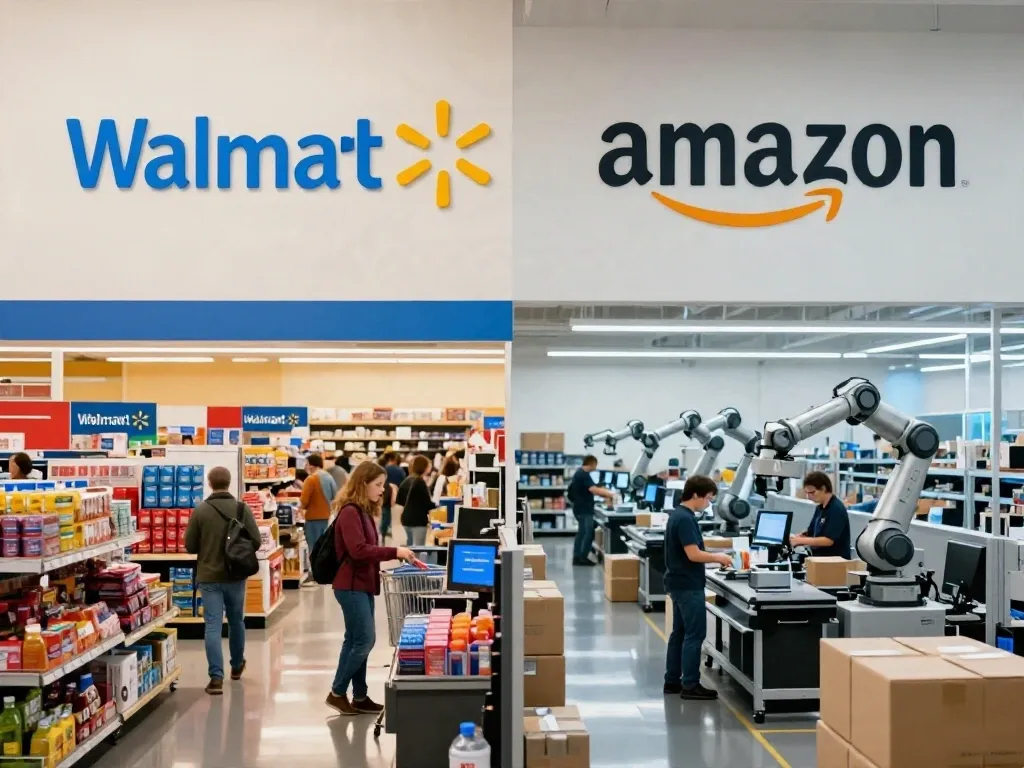
Overview of Seller Economics in Walmart Marketplace

As e-commerce continues to evolve, sellers are increasingly looking for platforms that not only offer visibility but also favorable economics. Walmart Marketplace and Amazon are two of the biggest players in this space, each with its unique seller economics. This section delves into the fee structures, payment processing, and advertising costs associated with Walmart Marketplace.
Fee Structure and Commission Rates
Walmart Marketplace operates on a commission-based fee structure, which can vary based on the category of products sold. Generally, Walmart charges a referral fee that ranges from 6% to 20%. For example, electronics typically incur a lower fee of around 6%, while home goods might attract a fee closer to 15%. This is in contrast to Amazon, which can charge referral fees between 6% and 45%, depending on the category.
Moreover, Walmart has a more straightforward fee structure that can be beneficial for sellers. Unlike Amazon, there are no additional monthly subscription fees for sellers on Walmart Marketplace. This lack of a flat monthly fee can make it easier for new sellers to enter the platform without a significant upfront investment.
Payment Processing and Payout Schedule
Walmart Marketplace pays sellers every two weeks, which is favorable compared to Amazon’s typical payout schedule of 14 days after the order shipment. However, Walmart may hold funds for a longer period for new sellers, which can be a hurdle for those looking for immediate cash flow. Sellers receive their payouts through direct deposit, which adds a level of convenience.
To illustrate, if a seller generates $1,000 in sales in a two-week period, they can expect to receive funds minus any applicable fees within that time frame, provided they meet Walmart’s requirements. In contrast, Amazon’s payment processing can be more complex, often leading to sellers waiting longer for their funds, especially if they are new or have account issues.
Cost of Advertising and Promotions
Advertising on Walmart Marketplace involves a pay-per-click model through Walmart Media Group. Sellers can set their budget and only pay for ads when users click on them. This can lead to a more controlled advertising spend compared to Amazon's advertising services, which also include sponsored products, brands, and display ads.
For instance, a seller might allocate $500 for a month’s advertising on Walmart Marketplace, with an average cost-per-click of $0.50. If they generate 1,000 clicks, they would have spent their entire budget. Amazon often requires sellers to navigate multiple advertising options, which can increase complexity and costs without guaranteed ROI.
Comparison of Seller Tools and Resources
When evaluating Walmart Marketplace and Amazon, it is essential to consider the tools and resources that each platform provides to sellers. This section will compare inventory management, analytics, and support options available to sellers on both platforms.
Inventory Management and Fulfillment Options
Walmart Marketplace offers a flexible inventory management system that integrates with various third-party software solutions. Sellers can utilize Walmart Fulfillment Services (WFS), which allows for easy management of shipping and returns while leveraging Walmart’s logistics network. This service is particularly advantageous for sellers who want to ensure fast delivery times and improve customer satisfaction.
In contrast, Amazon's Fulfillment by Amazon (FBA) is a well-known program that allows sellers to store their products in Amazon’s fulfillment centers. While FBA offers extensive reach and logistics advantages, it comes with storage fees that can accumulate quickly, especially for sellers with slow-moving inventory. For example, FBA charges a monthly storage fee of $0.75 per cubic foot for standard-size items during the January to September period and $2.40 during the peak holiday months.
Analytics and Reporting Features
Walmart Marketplace provides sellers with basic analytics tools that allow them to track sales performance, customer engagement, and inventory levels. However, the granularity of data may not be as extensive as what Amazon offers. Amazon provides advanced analytics through its Seller Central dashboard, including detailed reports on sales, traffic, and conversion rates. This can help sellers optimize their strategies based on data-driven insights.
For instance, a Walmart seller might see a summary of sales and inventory levels but might not get the same level of detailed customer behavior analysis that Amazon’s platform provides. This difference can impact how sellers tailor their offerings and marketing strategies.
Seller Support and Community Engagement
Walmart Marketplace has made strides in improving seller support, offering a dedicated Seller Support team accessible via phone or email. They also provide a comprehensive help center with resources and guides. However, some sellers have reported longer wait times for support compared to Amazon.
Amazon, on the other hand, has a robust community engagement through Seller Forums, where sellers can share experiences, ask questions, and find solutions collaboratively. This community aspect can be crucial for new sellers navigating challenges. Support through Amazon is often available 24/7, providing immediate assistance when needed.
Market Reach and Customer Demographics
Understanding the market reach and customer demographics of both Walmart Marketplace and Amazon is vital for sellers looking to maximize their potential. Each platform attracts a unique audience, influencing sales strategies and product offerings.
Consumer Behavior on Walmart Marketplace
Walmart Marketplace attracts a diverse customer base, often skewing toward budget-conscious shoppers. Many consumers view Walmart as a one-stop-shop for everyday essentials, which can lead to higher sales for related product categories like groceries, home goods, and personal care items. Walmart’s brick-and-mortar presence also translates into a robust online shopping experience, as consumers often research products online before making in-store purchases.
For example, if a seller lists a popular kitchen gadget, they may find that sales are driven not only by online traffic but also by customers who see the product in Walmart stores and later decide to purchase it online. This omnichannel shopping behavior can significantly impact sales volumes.
Target Audience Differences Between Platforms
Amazon tends to attract a more tech-savvy audience willing to pay for premium products and services, including fast shipping options like Amazon Prime. This demographic is often looking for convenience and a wide variety of choices. Sellers on Amazon may find that their products perform well in categories like electronics, premium apparel, and specialized items that cater to niche interests.
For instance, a seller offering high-end electronics may find that their product listings on Amazon perform significantly better than on Walmart Marketplace, where the consumer base may prioritize price over brand prestige.
Impact of Local Shopping Trends on Sales
The local shopping trends also play a crucial role in determining sales on both platforms. Walmart’s strong physical presence allows it to leverage localized promotions and inventory management, which can be particularly effective in driving sales for seasonal or regional products. For instance, sellers who offer gardening supplies may see a spike in sales during spring in certain geographic areas, and Walmart can effectively capitalize on these trends through local promotions and inventory allocation.
In contrast, Amazon’s sales trends are often driven by national campaigns, seasonal promotions, and broader marketing strategies. Sellers may need to invest more in targeted advertising to capture the attention of consumers who are inundated with options on Amazon.
Competitive Advantages for Sellers
Each platform offers unique competitive advantages that sellers can leverage to enhance their operations and maximize revenue. Understanding these advantages can help sellers tailor their approach to each marketplace effectively.
Brand Visibility and Trust Factors
Walmart Marketplace benefits from the trust associated with the Walmart brand, which can enhance seller credibility. Consumers often associate Walmart with quality and value, leading to increased brand visibility for sellers who align their products with these qualities. This inherent trust can lead to higher conversion rates, particularly for new sellers without established reputations.
Conversely, Amazon is known for its customer-centric approach, which includes features like customer reviews, fast shipping, and easy returns. Sellers who leverage these aspects can build trust with consumers quickly. For example, a seller with high ratings and positive reviews on Amazon can see a substantial increase in sales due to the platform’s reputation for reliability.
Pricing Strategies and Market Positioning
Walmart Marketplace allows sellers to adopt aggressive pricing strategies, often making it easier to compete on price. The lack of a subscription fee and lower commission rates can enable sellers to price their products competitively while maintaining profitability. For instance, a seller offering home essentials may price their products lower on Walmart to attract budget-conscious shoppers.
On Amazon, pricing strategies can be more complicated due to the competitive nature of the platform. Sellers often engage in price wars, and the presence of Amazon itself as a seller can pressure third-party sellers to lower their prices. This dynamic can lead to lower profit margins, particularly for common consumer goods.
Integration with Physical Store Locations
One of the standout competitive advantages for Walmart Marketplace is its integration with physical store locations. Sellers can utilize Walmart’s extensive network of stores for order fulfillment, allowing for options like same-day pickup or local delivery. This is particularly beneficial for sellers offering perishable goods or products that customers may want immediately.
For example, a seller offering groceries can enable customers to order online and pick them up at their local Walmart, enhancing convenience and driving sales. In contrast, Amazon does not have a similar physical store presence, limiting its ability to offer such localized services.
Challenges and Limitations for Sellers
While both Walmart Marketplace and Amazon present significant opportunities, they also come with challenges and limitations that sellers must navigate. Understanding these obstacles can help sellers prepare and develop strategies to overcome them.
Policy Compliance and Restrictions
Walmart has strict policies regarding product listings, including compliance with safety standards and restrictions on certain categories. Sellers must ensure they comply with these regulations to avoid removal from the platform. For instance, selling food products requires adherence to specific health and safety guidelines, which can be more stringent than those on Amazon.
Amazon also has its set of compliance policies, but its complexity can sometimes lead to confusion among sellers. For example, sellers may find their listings suspended due to policy violations that are not clearly outlined, leading to frustration and potential loss of sales.
Seller Competition and Market Saturation
Competition on both platforms is fierce, particularly in popular categories. Walmart Marketplace is experiencing a surge in seller registrations, which can lead to market saturation. New sellers may find it challenging to gain visibility and traction due to the influx of competition. For instance, a new seller offering electronics may struggle to compete with established brands that have significant market presence.
On Amazon, the competition is even more intense due to the platform's size and scale. Sellers may find themselves competing against Amazon’s own products, which can undercut their pricing or overshadow their listings. This competitive landscape requires sellers to be strategic with their marketing and product differentiation.
Technological Barriers and Learning Curve
Both platforms require a certain degree of technological proficiency to navigate their systems effectively. Walmart Marketplace, while offering a more straightforward interface, still presents challenges for sellers unfamiliar with e-commerce technologies. New sellers may need time to learn the ins and outs of inventory management, advertising, and analytics.
Amazon’s Seller Central platform is more complex, with multiple layers of features and options. Sellers often report a steep learning curve, particularly when it comes to optimizing listings and leveraging advertising tools. For instance, understanding how to use Amazon’s various advertising options effectively can take time and effort, which can be a barrier for new sellers.
In conclusion, both Walmart Marketplace and Amazon offer unique seller economics that can benefit different types of businesses. By understanding the nuances of fee structures, market reach, and seller tools, potential sellers can make informed decisions about where to invest their time and resources. Ultimately, the choice between Walmart Marketplace and Amazon will depend on individual business goals, product offerings, and target audiences.



Comments
No comments yet.
Leave a comment