
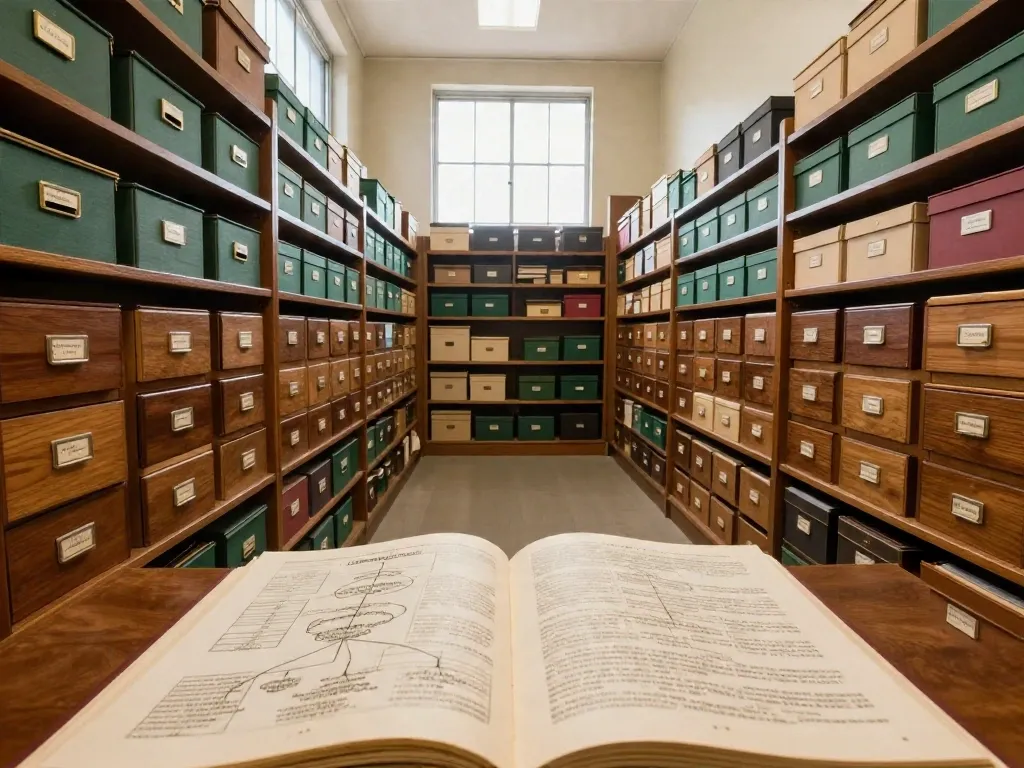
Historical Context of Genealogy Record Organization
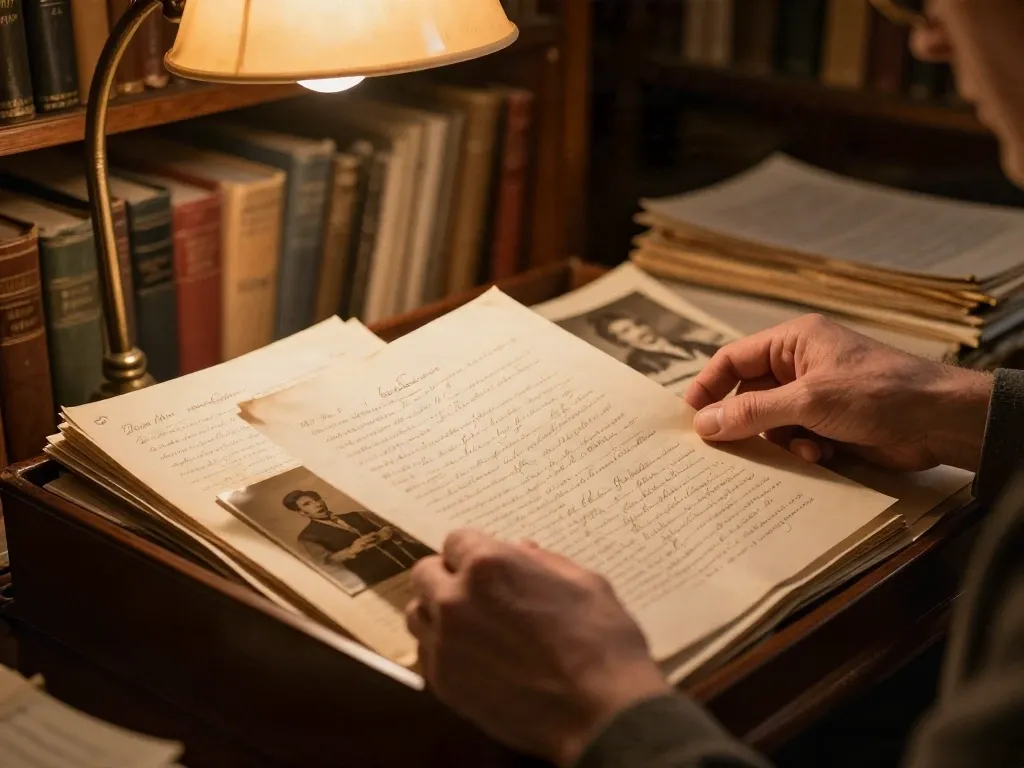
Evolution of Record Keeping in Genealogy
The practice of genealogy, or the study of family lineage and history, has roots that date back thousands of years. Initially, record keeping was rudimentary, often relying on oral traditions and simple written documents. Ancient civilizations, such as the Egyptians and the Chinese, maintained records of lineage for religious and administrative purposes. As societies evolved, so did the methods of recording genealogical information.
In the Middle Ages, the establishment of parish registers marked a significant evolution in record keeping. These registers, maintained by the Church, documented vital events such as births, marriages, and deaths. Over time, these records became essential for establishing one's lineage, particularly as feudal systems and inheritance laws became more complex. The introduction of civil registration in the 19th century further formalized genealogical records, leading to more systematic organization and preservation techniques.
Influence of Historical Events on Record Organization
Historical events have greatly influenced how genealogical records are organized. For instance, the upheaval caused by wars, migrations, and natural disasters often resulted in the loss or destruction of records. Following World War II, many countries undertook efforts to reconstruct vital records for displaced populations, shaping the way archives approached record preservation and organization. In the United States, the establishment of the National Archives in 1934 was a direct response to the need for organized record-keeping, particularly in light of the vast amount of documentation generated during the war.
In addition, significant social movements, such as the civil rights movement in the 1960s, prompted archives to reexamine their collections and ensure they represented diverse populations. This has led to unique organizational methods that prioritize inclusivity and accessibility, reflecting the varied histories of different communities.
Regional Variations in Archival Practices
Genealogy record organization is also influenced by regional variations in archival practices. Different countries and cultures have unique approaches to documenting and preserving genealogical information. For example, Scandinavian countries are known for their meticulous record-keeping practices, with detailed parish registers and census data organized in a systematic manner. Conversely, in many African countries, genealogy is often passed down through oral traditions, leading to less formalized record-keeping structures.
In the United States, state and local archives often adopt different organizational methods based on regional needs and historical contexts. For instance, Southern states with a history of plantation economies may have more extensive slave records, necessitating unique classification systems to accommodate these specific historical documents. This regional diversity in archival practices reflects the broader cultural and historical contexts that shape genealogical research.
Unique Classification Systems Used in Genealogy Archives
Hierarchical vs. Flat Organization Structures
Genealogy archives employ various classification systems to organize records effectively. The two primary structures are hierarchical and flat organization systems. Hierarchical structures involve a tiered approach, where records are categorized into broader categories and subcategories. For example, a hierarchical structure in a genealogy archive might begin with "Family Records," which branches into "Birth Records," "Marriage Records," and "Death Records." This method allows researchers to drill down into specific areas of interest.
On the other hand, flat organization structures present records in a more linear fashion, often using tags or keywords to categorize information. This approach can be beneficial for digital archives, where users can search for specific terms without navigating through multiple layers of categories. An example of this can be seen in online platforms, such as Ancestry.com, where users can simply input keywords to access relevant records quickly.
Role of Subject Classification in Genealogy
Subject classification plays a crucial role in ensuring that genealogical records are accessible and navigable. By organizing records based on subjects such as ethnicity, geographic location, and type of record, archives can cater to specific research needs. For instance, an archive may have a dedicated section for immigrant records, which would include passenger lists, naturalization papers, and immigration documentation. This subject-based approach allows researchers to find relevant records more efficiently.
Moreover, subject classification can help in preserving culturally significant records that might otherwise be overlooked. For example, the LGBTQ+ community has historically faced challenges in record-keeping, but some archives are now creating classifications specifically for LGBTQ+ genealogy, ensuring that these important histories are documented and accessible.
The Impact of Technology on Record Classification
Advancements in technology have significantly transformed the way genealogy archives classify and organize records. Digital archiving has enabled the creation of sophisticated databases that utilize metadata to enhance searchability and accessibility. For example, optical character recognition (OCR) technology allows archives to convert scanned documents into searchable text, making it easier for researchers to locate specific information within vast collections.
Furthermore, cloud storage solutions and digital asset management systems facilitate the organization of records in a way that traditional paper-based systems cannot. Archives such as FamilySearch employ these technologies to store millions of records, enabling users to access genealogical information from anywhere in the world. This shift toward digital organization not only improves efficiency but also expands the reach of genealogical research.
Preservation Strategies Influencing Record Organization
Importance of Material Types in Record Arrangement
The type of materials being archived significantly influences how records are organized. Genealogy archives contain a variety of materials, including paper documents, photographs, microfilms, and digital files. Each material type requires different preservation strategies, which in turn affects record arrangement. For example, delicate documents may need to be stored in acid-free folders, while photographs might be organized based on their size and format.
An example of this can be seen in the Library of Congress, which utilizes specialized archival boxes for rare documents to ensure their longevity. By organizing materials based on their physical characteristics, archives can create an environment that promotes preservation and accessibility.
Environmental Considerations in Archival Storage
Environmental factors play a crucial role in the preservation of genealogical records, and archives must consider these factors when organizing their collections. Temperature, humidity, and light exposure can all affect the longevity of archival materials. As a result, many archives implement climate-controlled storage solutions to maintain optimal conditions for preservation.
For instance, the National Archives and Records Administration (NARA) in the United States employs sophisticated climate control systems to protect their collections. By organizing records in environments that mitigate environmental risks, archives can ensure that genealogical materials remain intact for future generations.
Digital vs. Physical Preservation Techniques
The dichotomy between digital and physical preservation techniques further complicates record organization. While digital records can be easier to manage and access, physical records require meticulous organization to prevent deterioration. As more archives shift towards digitalization, the organization of physical records may become secondary, leading to unique challenges in maintaining a balance between the two.
For example, the British Library has undertaken extensive digitization projects to make historical documents more accessible while still preserving the physical originals. This dual approach necessitates a thoughtful organization strategy that accommodates both digital and physical records, ensuring that researchers can access the information they need regardless of the format.
User-Centric Approaches in Record Organization
Understanding Researcher Needs and Habits
Genealogy archives are increasingly adopting user-centric approaches to record organization, recognizing that understanding researcher needs and habits is vital for effective classification. By analyzing how users interact with records, archives can tailor their organizational methods to better serve the community. For example, surveys and user feedback can reveal which types of records are most sought after and how researchers prefer to access information.
Archives like the Allen County Public Library have implemented user feedback mechanisms, allowing patrons to express their preferences and experiences. This information can then inform organizational strategies, ensuring that archives remain relevant and user-friendly.
Feedback Loops from Users to Improve Organization
Establishing feedback loops between users and archives is essential in refining record organization methods. By encouraging researchers to share their experiences and suggestions, archives can adapt their systems to better meet user needs. For instance, some genealogy archives have created advisory boards made up of researchers to provide insights into the effectiveness of current organizational practices.
Such collaborative efforts have led to initiatives like the New England Historic Genealogical Society's (NEHGS) online platform, where users can suggest improvements and report issues directly related to record accessibility. This dynamic interaction fosters a culture of continuous improvement in record organization.
Training and Resources for Efficient Navigation
To ensure that researchers can effectively navigate archival collections, many genealogy archives provide training and resources. Workshops, webinars, and online tutorials can equip users with the skills needed to locate and utilize records efficiently. For example, the National Genealogical Society offers various educational resources to help researchers understand how to navigate complex archival systems.
Additionally, creating user-friendly guides and finding aids can significantly enhance the user experience. Archives that invest in comprehensive training materials and resources not only empower researchers but also contribute to a more organized and accessible record-keeping environment.
Challenges and Solutions in Genealogy Record Organization
Handling Incomplete or Inaccurate Records
One of the significant challenges in genealogy record organization is dealing with incomplete or inaccurate records. Many genealogical documents are fraught with errors, whether due to transcription mistakes, missing information, or variations in naming conventions. This presents a unique challenge for archivists who must organize these records in a way that minimizes confusion and maximizes accuracy.
To address this, some archives employ standardized naming conventions and metadata protocols that help clarify discrepancies. For example, the International Genealogical Index (IGI) utilizes a standardized format for names and dates, making it easier for researchers to understand and interpret records. Such measures can help mitigate the challenges posed by inaccuracies in genealogical records.
Adapting to Changing Technology and User Expectations
The rapid evolution of technology presents ongoing challenges for genealogy archives as they strive to meet changing user expectations. As digital tools and resources become more sophisticated, researchers increasingly expect seamless access to records and intuitive navigation systems. This necessitates continuous adaptation and investment in technology by archives.
For instance, archives are now integrating artificial intelligence and machine learning algorithms to enhance record classification and search capabilities. By employing these technologies, archives can streamline the process of record organization, ensuring that users can quickly find the information they need. This proactive approach to technological adaptation not only meets user demands but also keeps archival practices relevant in an ever-evolving landscape.
Collaborative Efforts Between Archives and Genealogists
Finally, collaboration between archives and genealogists is essential in overcoming challenges in record organization. By fostering partnerships, archives can gain valuable insights from genealogists who are often on the front lines of research. Collaborative projects, such as community indexing initiatives, allow genealogists to contribute to the organization and classification of records, while also enhancing their own research experience.
An example of this collaboration can be seen in the "Indexing Project" by FamilySearch, where volunteers help digitize and index records from around the world. This not only aids in the organization of genealogical data but also fosters a sense of community among researchers and archivists alike, ultimately leading to a more efficient and user-friendly archival system.



Comments
No comments yet.
Leave a comment