
The Origins of Competitive Sourdough Baking Tournaments
Historical Context of Sourdough Baking
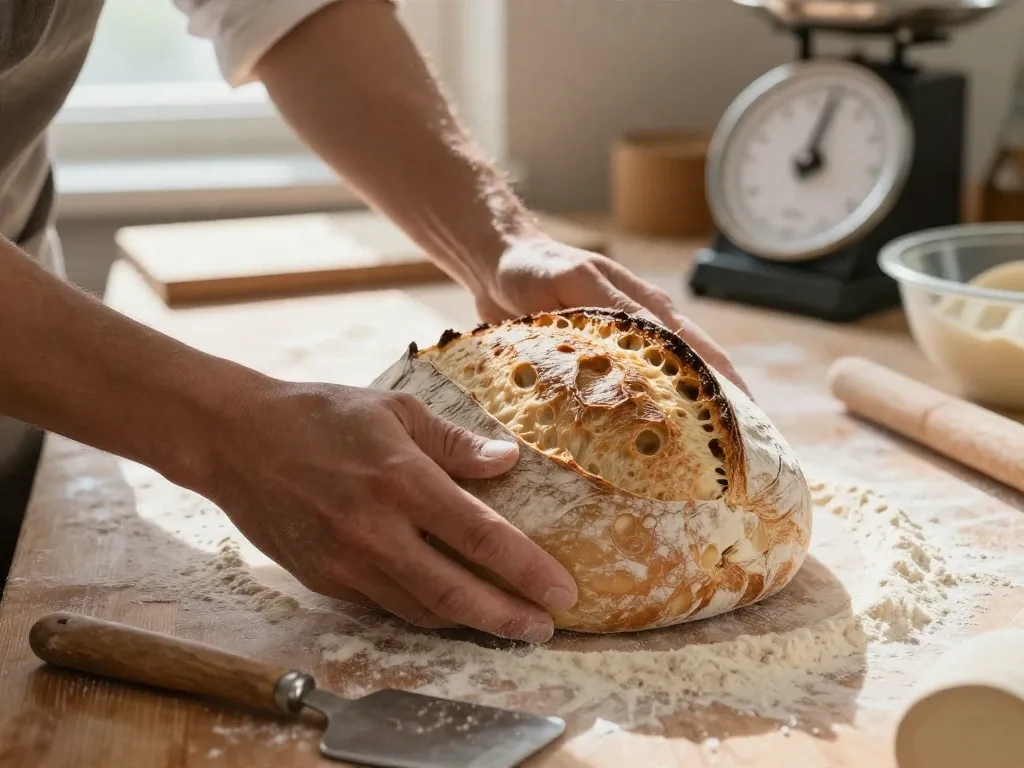
Sourdough baking has a rich history that dates back thousands of years, with evidence suggesting that ancient Egyptians were fermenting dough as early as 1500 BC. The unique leavening process of sourdough, which relies on natural yeasts and lactic acid bacteria, allowed for a more flavorful and longer-lasting bread compared to its yeast-leavened counterparts. Over centuries, sourdough became a staple in many cultures, particularly in Europe, where it was often baked in communal ovens.
In recent years, the resurgence of interest in traditional baking methods has reignited a passion for sourdough. This revival has been fueled by a growing appreciation for artisanal breads and the desire for healthier, homemade alternatives. As sourdough became more popular in home kitchens, it laid the groundwork for the emergence of competitive baking tournaments, where enthusiasts could showcase their skills and creativity.
The Emergence of Baking Competitions
Baking competitions have a storied history, with shows like "The Great British Bake Off" introducing a wider audience to the art of baking. While many competitions traditionally focused on a variety of baked goods, sourdough has carved out a niche of its own. The first notable sourdough baking tournaments began appearing in the early 2010s, particularly in the United States and Europe, where bakers sought to challenge each other in a friendly yet competitive environment.
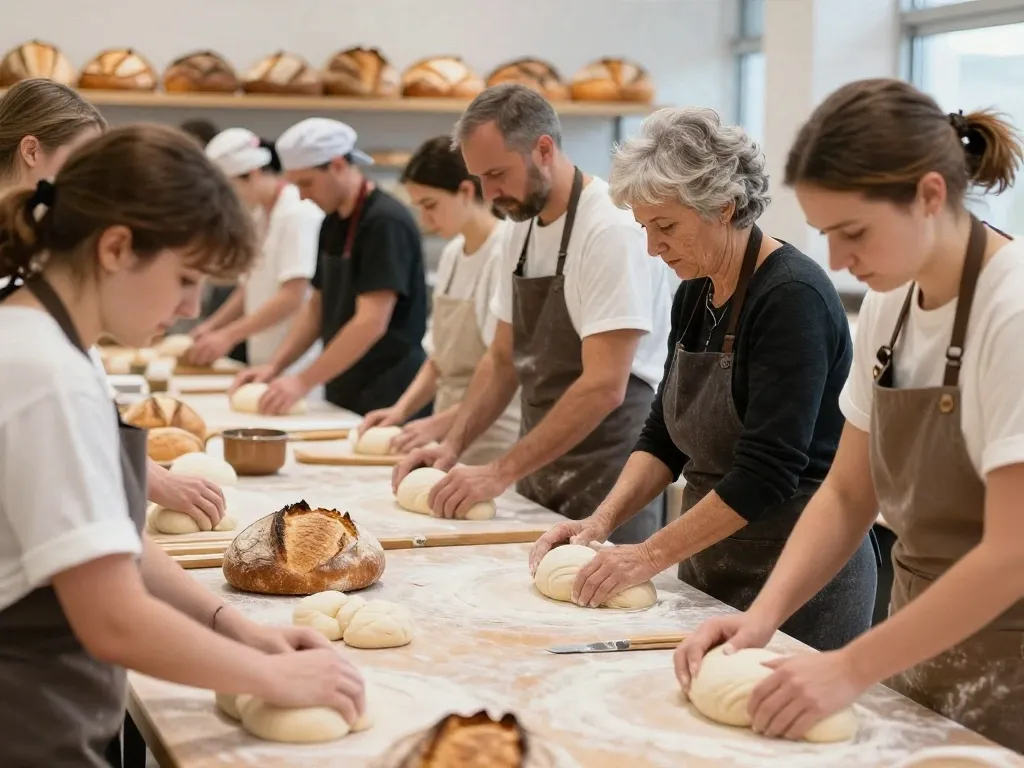
These tournaments often take place at local fairs, food festivals, or dedicated baking events, attracting participants eager to demonstrate their skills. The format typically includes various categories focused specifically on sourdough, allowing bakers to compete in areas such as classic loaves, sourdough bagels, and even innovative flavor combinations.
Influence of Social Media on Sourdough Popularity
Social media platforms like Instagram and TikTok have played a pivotal role in popularizing sourdough baking. Enthusiasts share their baking journeys, from creating starter cultures to the final baked products, often using hashtags like #sourdough and #sourdoughbread. This visibility has not only increased the popularity of sourdough among home bakers but has also contributed to the formation of a vibrant community of competitive bakers.
As bakers post their successes and failures online, they inspire others to participate in competitions, further elevating the profile of sourdough baking tournaments. Influencers and celebrity bakers, who often showcase their sourdough creations, have also helped to galvanize interest in competitive baking, turning it into a trendy hobby for many.
Structure and Format of Sourdough Baking Tournaments
Types of Competitions: Local vs. National
Sourdough baking tournaments can be broadly categorized into local and national competitions. Local tournaments often take place at community events, farmers' markets, or regional baking fairs, providing a platform for amateur bakers to showcase their skills while building community connections. These events typically draw a smaller crowd, fostering a friendly atmosphere where participants can share tips and techniques.
On the other hand, national competitions, such as the annual "Sourdough Cup," attract skilled bakers from across the country. These events often feature rigorous selection processes, requiring participants to submit their best loaves for preliminary judging before advancing to the live competition. National tournaments are more structured and competitive, often featuring sponsorships and prizes that draw in serious contenders.
Judging Criteria for Sourdough Entries
Judging criteria for sourdough baking competitions can vary, but several key factors are typically evaluated:
- Aroma: The scent of the bread is crucial, as a well-fermented loaf should have a pleasant, slightly tangy aroma.
- Crust: Judges look for a golden-brown, crispy crust that indicates proper baking technique.
- Texture: The crumb structure is essential; judges assess the evenness of the holes and the overall softness of the bread.
- Taste: Perhaps the most subjective criterion, judges evaluate the balance of flavors, including the sourness derived from fermentation.
- Creativity: In specialty rounds, bakers may be encouraged to experiment with unique flavors and ingredients, showcasing their innovation.
Common Formats: Timed Challenges and Specialty Rounds
Many sourdough baking tournaments feature a mix of timed challenges and specialty rounds that test various baking skills. Timed challenges often require bakers to produce a loaf within a set period, usually ranging from two to four hours. This format emphasizes speed and efficiency, as bakers must manage their time while maintaining quality.
Specialty rounds, on the other hand, allow bakers to showcase their creativity and technical prowess. These rounds might include creating flavored sourdough loaves, sourdough pastries, or even sourdough-themed desserts. Competitors often use this opportunity to push the boundaries of traditional sourdough baking, experimenting with ingredients like herbs, spices, or even incorporating local produce.
Key Players in the Competitive Sourdough Scene
Profiles of Notable Competitors
The competitive sourdough scene boasts a diverse array of talented bakers, each bringing unique skills and backgrounds. One notable competitor is Sarah Owen, known for her innovative use of local grains and herbs. Her entry in the "Sourdough Cup" featured a rosemary and garlic loaf that wowed judges with its aromatic profile and perfect crust.
Another standout is Marco Garcia, a former professional chef turned sourdough enthusiast. Marco's meticulous approach to fermentation and his use of a 20-year-old starter have earned him several accolades, including the prestigious "Golden Crust Award" at the National Artisan Bread Fair.
The Role of Celebrity Bakers and Influencers
Celebrity bakers and influencers have significantly impacted the competitive sourdough landscape. Personalities like Paul Hollywood and Claire Saffitz have popularized sourdough baking through their television appearances and cookbooks, inspiring countless home bakers to take part in competitions. Their endorsement of specific techniques and recipes has helped elevate the standards of competition, as aspiring bakers strive to emulate the skills of their idols.
Social media influencers, such as "The Sourdough Whisperer," have also played a crucial role in spreading knowledge and excitement around sourdough baking tournaments. By sharing tips, tutorials, and personal experiences, they foster a sense of community among bakers, encouraging participation in both local and national events.
Community and Collaboration Among Participants
The competitive sourdough scene is characterized by a strong sense of community and collaboration. Unlike other competitive arenas, bakers often view each other as allies rather than adversaries. Many participants share their techniques, starter cultures, and even recipes, fostering an environment of growth and mutual support.
Workshops and baking classes organized by competitors further enhance this collaborative spirit. These events not only provide opportunities to refine skills but also serve as a platform for bakers to network and form lasting friendships. This camaraderie is evident at tournaments, where competitors often cheer each other on and celebrate each other's successes.
Techniques and Innovations in Competitive Sourdough Baking
Advanced Sourdough Techniques Employed by Competitors
Competitors in sourdough baking tournaments often employ advanced techniques that set their entries apart. One such technique is the "stretch and fold" method, which helps develop gluten strength without the need for intensive kneading. This method allows for better fermentation and a more open crumb structure, which is highly prized in competitions.
Another popular technique is the use of autolyse, where flour and water are mixed and allowed to rest before adding salt and starter. This process enhances dough extensibility and flavor, contributing to superior loaf quality. Many competitors also experiment with various fermentation times, adjusting their processes to achieve the perfect balance of sourness and texture.
Use of Unique Ingredients and Flavor Profiles
Innovation is key in competitive sourdough baking, with many bakers pushing the boundaries by incorporating unique ingredients. Some competitors have introduced flavors such as matcha, activated charcoal, or even savory elements like cheese and olives. Others explore regional ingredients, utilizing local grains or seasonal produce to create distinctive flavor profiles.
For instance, the "Wildflower Sourdough" competition featured bakers using local wildflowers to infuse their loaves with floral notes, resulting in strikingly beautiful and flavorful breads. Such innovations not only impress judges but also reflect the creativity and individuality of the bakers.
Technology's Role in Enhancing Baking Outcomes
As with many culinary fields, technology is playing an increasingly important role in competitive sourdough baking. Many bakers utilize digital thermometers and hygrometers to monitor the temperature and humidity of their dough and fermentation environments. This precision helps bakers achieve consistent results, which is crucial in a competitive setting.
Additionally, some competitors have begun incorporating sous-vide techniques for precise temperature control during proofing. By using this method, bakers can create optimal conditions for fermentation, leading to superior flavor and texture in their loaves. The use of technology not only enhances baking outcomes but also allows for experimentation with new methods that can differentiate competitors in tournaments.
The Future of Competitive Sourdough Baking Tournaments
Emerging Trends and Challenges
The future of competitive sourdough baking tournaments looks promising, with several emerging trends shaping the landscape. One significant trend is the increasing emphasis on sustainability and local sourcing. Many competitors are now prioritizing organic ingredients, reducing waste, and utilizing environmentally friendly practices in their baking processes.
However, challenges remain. The COVID-19 pandemic disrupted many baking events, leading to a decline in participation and sponsorships. While virtual competitions emerged as an alternative, they lacked the community spirit that in-person gatherings foster. As the world continues to recover, re-establishing traditional competition formats will be vital for the growth of the sourdough baking community.
The Impact of Global Events on Tournament Participation
Global events, such as economic downturns or health crises, can significantly impact tournament participation. During the pandemic, many bakers turned to online platforms to share their passion, leading to a surge in home baking. As we move into a new era, competitions must adapt to attract both seasoned bakers and newcomers, perhaps by incorporating hybrid models that blend in-person and virtual elements.
Predictions for the Growth of Sourdough Baking Circuits
Looking ahead, the growth of sourdough baking circuits is expected to continue, fueled by ongoing interest in artisanal baking and community engagement. As more individuals discover the joys of sourdough, we can anticipate an increase in local competitions and the establishment of formal circuits that connect bakers across regions.
Moreover, as culinary education evolves, we may see more baking schools offering specialized courses in sourdough techniques, further developing the skill set of potential competitors. With the increasing popularity of baking shows and social media influencers, the competitive sourdough landscape is poised for exciting developments in the coming years.


Comments
No comments yet.
Leave a comment