

Defining Unit Economics in Third-Wave Coffee Shops
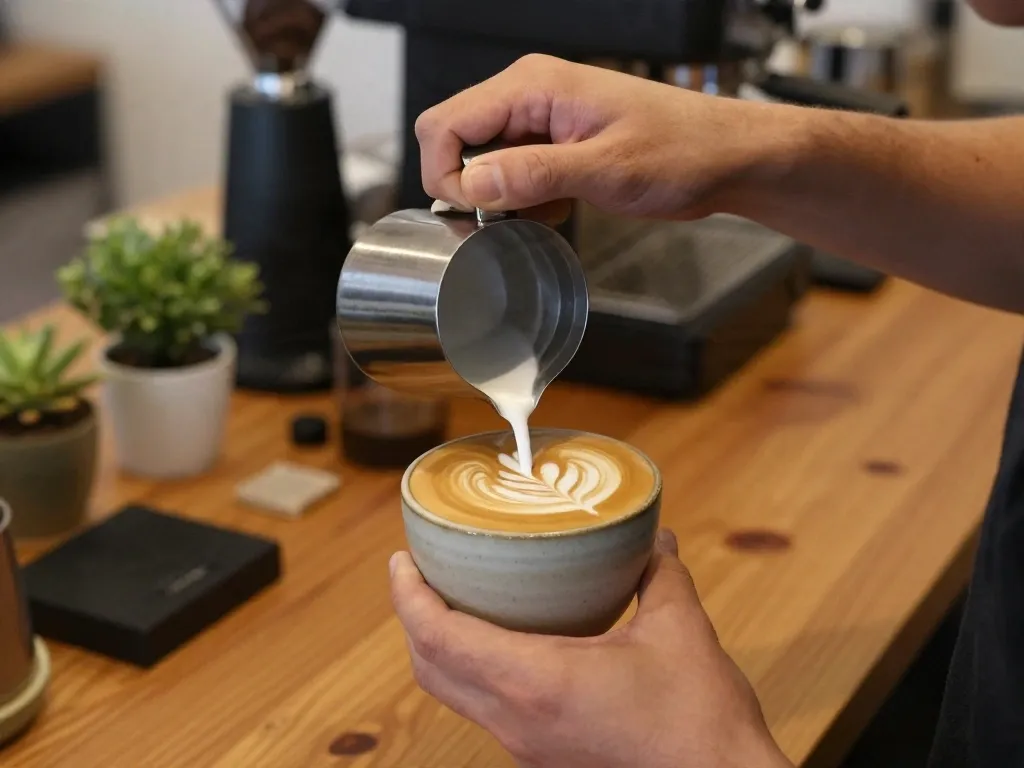
Unit economics refers to the direct revenues and costs associated with a specific business model, providing a clear view of profitability on a per-unit basis. For third-wave coffee shops, understanding unit economics is essential for sustaining operations and achieving growth. Unlike traditional coffee shops, third-wave establishments focus on high-quality coffee, unique brewing methods, and a distinctive customer experience, leading to different economic dynamics.
Understanding Key Metrics
To effectively analyze unit economics in third-wave coffee shops, several key metrics must be considered:
- Average Order Value (AOV): This metric indicates the average revenue generated from each customer transaction. For third-wave coffee shops, AOV can often exceed $10, especially when customers purchase specialty drinks and food items.
- Customer Acquisition Cost (CAC): This refers to the total cost of acquiring a new customer, including marketing expenses and promotions. A lower CAC is desirable, as it allows shops to retain profitability.
- Customer Lifetime Value (CLV): This metric estimates the total revenue a single customer is expected to generate throughout their relationship with the coffee shop. In third-wave shops, a loyal customer might contribute significantly over time, often exceeding $1,000.
- Gross Margin: This is calculated by subtracting the cost of goods sold (COGS) from total revenue. Third-wave coffee shops typically aim for a gross margin of 60% or higher, given the premium nature of their offerings.
Revenue Streams in Third-Wave Coffee
Third-wave coffee shops generate revenue through multiple streams, which can enhance overall profitability:
- Drink Sales: The primary source of revenue, including espresso drinks, brewed coffee, and specialty beverages. Premium pricing strategies allow for higher margins.
- Food Items: Many third-wave shops complement their beverage offerings with artisanal pastries, sandwiches, and snacks, which can significantly boost AOV.
- Merchandise Sales: Selling branded merchandise, coffee beans, brewing equipment, and subscriptions can enhance revenue and deepen customer loyalty.
- Events and Workshops: Hosting coffee tasting events or brewing classes can create additional income streams while reinforcing the brand's commitment to coffee education.
Cost Structures Unique to Third-Wave Shops
The cost structure of third-wave coffee shops differs significantly from traditional coffee shops, primarily due to their focus on quality:
- Ingredient Costs: Specialty coffee beans sourced from high-quality farms often come at a premium. A standard bag of specialty coffee can range from $15 to $30, compared to traditional beans at $7 to $15.
- Equipment Investment: High-end espresso machines and brewing devices are essential for producing quality drinks. Initial investments can exceed $20,000 depending on the equipment.
- Location Costs: Third-wave coffee shops often seek unique, vibrant locations that may come with higher rent, impacting overall profitability.
- Labor Costs: Skilled baristas require competitive wages, especially in cities where the cost of living is high. Additionally, ongoing training programs add to labor expenses.
Analyzing the Impact of Sourcing and Quality
The foundation of third-wave coffee lies in the sourcing of quality beans and the commitment to ethical practices. These elements directly influence unit economics and overall success.
The Role of Specialty Coffee Beans
Specialty coffee beans are the cornerstone of a third-wave coffee shop. These beans are typically sourced from specific regions known for their unique flavor profiles and high quality. For instance, beans from Ethiopia are renowned for their fruity notes, while Colombian beans are celebrated for their smoothness. The investment in specialty beans can lead to higher prices per cup, often ranging from $5 to $7 for a single coffee, thus significantly impacting AOV.
Cost Implications of Ethical Sourcing
Ethical sourcing, including direct trade and fair trade practices, adds another layer of complexity to unit economics. While these practices ensure farmers receive fair compensation, they also increase the cost of raw materials. For example, a third-wave coffee shop might pay $1.50 per pound for fair trade beans, compared to $0.80 for conventional beans. This can lead to a higher COGS, but it also appeals to ethically-conscious consumers, enhancing brand loyalty and willingness to pay more.
Pricing Strategies for High-Quality Offerings
Third-wave coffee shops often adopt innovative pricing strategies to reflect the quality of their products. A common approach is tiered pricing, where different brewing methods (e.g., pour-over, siphon) are priced at varying levels based on complexity and ingredient quality. For instance, a pour-over coffee might be priced at $6, while a standard brewed coffee is priced at $3. This strategy allows shops to maintain high margins on premium offerings while still attracting a broader customer base.
Operational Efficiency and Labor Costs
Operational efficiency is critical for the success of third-wave coffee shops, particularly in managing labor costs while maintaining exceptional service quality.
Staff Training and Skill Development
Investing in staff training is vital for third-wave coffee shops, as the preparation of specialty drinks requires specific skills and knowledge. Comprehensive training programs, which can range from $1,000 to $5,000 per employee annually, ensure that baristas can deliver consistent quality. This investment not only improves product quality but also enhances customer satisfaction, leading to higher retention rates.
Labor Cost Management Strategies
Efficient labor cost management strategies can significantly impact unit economics. One effective strategy is to implement flexible scheduling, allowing management to adjust staffing based on peak hours. For example, if a shop experiences a surge in customers during morning hours, they can schedule additional staff without incurring unnecessary costs during slower periods. Additionally, cross-training employees to handle multiple roles can lead to reduced labor costs and improved service speed.
Creating a Productive Work Environment
A positive work environment contributes to employee satisfaction and productivity. For example, offering competitive wages, benefits, and a collaborative culture can reduce turnover rates. High turnover can lead to increased hiring and training costs, negatively affecting unit economics. By fostering a supportive environment, third-wave coffee shops can maintain a skilled workforce and enhance overall service quality.
Customer Experience and Retention Metrics
In third-wave coffee shops, customer experience is paramount. A focus on creating an inviting atmosphere and fostering customer loyalty can lead to long-term success.
The Importance of Ambiance in Third-Wave Shops
The ambiance of a third-wave coffee shop is a crucial factor in attracting and retaining customers. Elements such as interior design, music, and seating arrangements contribute to the overall experience. Shops like Blue Bottle Coffee have mastered this by creating bright, open spaces with minimalist designs that encourage customers to linger. A well-designed ambiance not only enhances customer satisfaction but can also justify higher pricing, positively affecting unit economics.
Loyalty Programs and Their Economic Impact
Loyalty programs can be an effective way to increase customer retention. For instance, a common approach is to offer a free drink after a certain number of purchases. Starbucks' rewards program has proven successful, with members spending significantly more than non-members. Implementing a similar program can boost CLV and justify the initial investment in rewards. For a third-wave shop, even a modest loyalty program can lead to increased customer visits and higher AOV.
Measuring Customer Satisfaction and Feedback
Collecting feedback through surveys and social media can provide valuable insights into customer satisfaction. For example, a third-wave coffee shop might use tools like Google Forms to assess customer experiences. Analyzing this data can help identify areas for improvement, ensuring that the shop continually meets and exceeds customer expectations. Satisfied customers are likely to become repeat patrons, enhancing overall profitability and supporting positive unit economics.
Financial Forecasting and Growth Strategies
Financial forecasting and strategic growth planning are essential components for third-wave coffee shops aiming for sustainability and expansion.
Setting Realistic Financial Goals
Establishing realistic financial goals is crucial for third-wave coffee shops. These goals should be based on historical data, industry benchmarks, and market trends. For instance, if a shop's monthly revenue averages $20,000, aiming for a 10% increase in the next year is a reasonable target. This approach allows for gradual growth while ensuring operational capabilities can handle increased demand.
Investing in Marketing and Brand Development
Effective marketing strategies can significantly impact a third-wave coffee shop's visibility and customer acquisition. Investing in social media advertising, influencer partnerships, and local events can enhance brand awareness. For instance, a well-executed Instagram campaign showcasing unique brewing methods can attract coffee enthusiasts. Allocating 5-10% of monthly revenue to marketing efforts is a common practice to ensure consistent brand growth.
Scaling Operations While Maintaining Quality
As third-wave coffee shops grow, maintaining quality becomes a challenge. Implementing standardized procedures for brewing and customer service can help ensure consistency across all locations. For example, establishing a comprehensive training manual for new employees can facilitate the onboarding process, maintaining the shop's commitment to excellence. Additionally, leveraging technology such as mobile ordering systems can streamline operations, enhancing the customer experience while supporting scalability.

Comments
No comments yet.
Leave a comment